Shelf Life of Homemade Vitamin C E Ferulic Serum
Question
What is the shelf life of a homemade Vitamin C E Ferulic (Lite version) serum after mixing and bottling in an opaque bottle?
Answer
Shelf Life of Homemade Vitamin C E Ferulic Serum
The shelf life of a homemade Vitamin C E Ferulic serum, such as the Lite version, after mixing and bottling in an opaque bottle, is difficult to state precisely.
While the original product from brands like Skinceuticals has a stated shelf life (often around 24 months), the stability of a homemade version is highly dependent on several factors during preparation and storage:
- Ingredient Purity: The purity of the water used is critical. Metal ions in impure water can rapidly degrade Vitamin C.
- Mixing Conditions: Temperature during mixing can affect stability.
- Storage Conditions: Exposure to heat, light, and air will accelerate degradation.
- Packaging: Using an opaque, airtight bottle is essential, as you have done.
The ingredients themselves have varying stability. L-Ascorbic Acid (Vitamin C) is known to be less stable when dissolved in water compared to other forms of Vitamin C. Vitamin E (such as Tocopheryl Acetate or dl-alpha tocopherol) and Ferulic Acid are included in the formula to help stabilize the Vitamin C and provide antioxidant benefits.
Individual ingredients like Pure-Ferulic Acid™ and certain types of Vitamin C (L-ascorbic acid) have stated shelf lives of at least 2 years when stored correctly (often requiring refrigeration for Vitamin C). Vitamin E (Tocopheryl Acetate) can have a shelf life of at least 3 years under proper storage.
Given the variables in the homemade process, it is challenging to guarantee a specific shelf life. To maximize the stability and effectiveness of your serum, it is crucial to use high-purity water, minimize heat exposure during mixing, and store the finished product in a cool, dark place in a tightly sealed, opaque container. Monitor the serum for changes in color (darkening indicates oxidation) or smell, which are signs of degradation.
Related Products Mentioned
Vitamin E (Tocopheryl Acetate)
Vitamin C E Ferulic
Pure-Ferulic Acid™
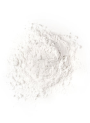
Vitamin C (L-ascorbic acid) (Ultra-Fine)
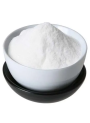
Vitamin C (L-ascorbic acid) (Fine)