Shower Gel Formulation: Ingredient Functions, Alternatives, and Fragrance
Asked by: monrada16
On: September 08, 2014
Product Type:
Cosmetics
Answered
Question
I am interested in a shower gel formulation with the following ingredients: Aqua, Ammonium Lauryl Sulfate, Cocamidopropylbetain, Shea butter, Sunflower oil, ricebran oil, Glycerine, Vit E, Acrylates/Stearth-20 Methacrylate Crosspolymer, CoQ10, Mulberry extract, EDTA, Ethylhexy Glycerin, Wheat protein, fragrance, Methylisothiazolinone.
I have several questions regarding modifying and understanding this formula:
- Can I replace Ammonium Lauryl Sulfate (ALS) with milder surfactants like Lauryl Glucoside or Cocamidopropyl Betaine? What are the implications for sensitive skin?
- What is the function of
Acrylates/Steareth-20 Methacrylate Crosspolymerin the formula, and are there similar alternatives like Aristoflex AVC? - What is the function of
EDTA? What is the difference betweenDisodium EDTAandTetrasodium EDTA, and which is more suitable for a skin-friendly shower gel pH (5-6)? - What is the function of
Ethylhexylglycerin? - Can I replace
MethylisothiazolinonewithPhenoxyethanolat a 1% concentration? - Can Ammonium Chloride or Sodium Chloride be used for thickening? How does this change if I switch to non-ionic surfactants like Lauryl Glucoside, and what alternative thickeners (like SugarThick) are recommended in that case?
- Can
Lauryl GlucosideandCocamidopropyl Betainebe used together? What total surfactant concentration is a good starting point? - Is
ClearCleannecessary if I incorporate nourishing oils into the formula, especially if I want it to remain clear? - How should I adjust the pH of the final product? Can I use Lactic Acid or Citric Acid, and do I need both?
- What can I add to make the fragrance last longer on the skin? How can I disperse the fragrance in the water-based formula (e.g., using Flora Solve)?
- What are the recommended percentages for fragrance, Dipropylene Glycol, and Tween20? If I use Flora Solve, do I still need Dipropylene Glycol or Tween20?
Answer
Guidance for Shower Gel Formulation
Non-Essential Ingredients and Alternatives
Based on the ingredients in the shower gel you like: Aqua, Ammonium Lauryl Sulfate, Cocamidopropylbetain, Shea butter, Sunflower oil, ricebran oil, Glycerine, Vit E, Acrylates/Stearth-20 Methacrylate Crosspolymer, CoQ10, Mulberry extract, EDTA, Ethylhexy Glycerin, Wheat protein, fragrance, Methylisothiazolinone
- Ammonium Lauryl Sulfate (ALS) is a relatively harsh sulfate-based surfactant and is not recommended for sensitive skin. It is advisable to switch to milder surfactants such as Lauryl Glucoside or Cocamidopropyl Betaine.
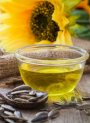
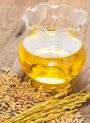
- Other nourishing ingredients like Shea butter, Sunflower oil, Rice bran oil, Glycerine, Vitamin E, CoQ10, Mulberry extract, and Wheat protein can be included based on your preference for skin feel and properties, as they provide skin conditioning benefits.
Meaning of Certain Ingredients
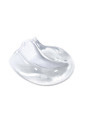
- Acrylates/Steareth-20 Methacrylate Crosspolymer: This is a type of polymer used as a gelling agent or thickener in formulations, helping to create the desired texture. A similar ingredient that might be used is Aristoflex AVC.
- EDTA: EDTA (Ethylenediaminetetraacetic acid) is a chelating agent or water softener. It works by binding to metal ions (like calcium and magnesium) in water, preventing them from interfering with the stability and performance of the cosmetic formula, thus extending the product's shelf life.
- Disodium EDTA and Tetrasodium EDTA are different salt forms of EDTA, differing in the pH range they are most effective. Disodium EDTA is suitable for formulas with a pH between 3-9, while Tetrasodium EDTA is effective in the pH range of 8-12. For a skin-friendly shower gel with a pH around 5-6, Disodium EDTA is the more appropriate choice.
- Ethylhexylglycerin: This ingredient functions as a mild preservative and also acts as a humectant, helping the skin retain moisture. It is often used in combination with other preservatives for optimal effectiveness.
Further Questions and Formula Adjustment
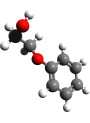
- Replacing Methylisothiazolinone with Phenoxyethanol 1%: Yes, according to the staff, you can replace Methylisothiazolinone with Phenoxyethanol at a concentration of 1%.
- Adding Ammonium Chloride or Sodium Chloride: These salts are used to thicken formulas primarily containing sulfate-based surfactants like ALS. If you switch to non-ionic surfactants such as Lauryl Glucoside, these salts will not effectively thicken the formula. It is recommended to use other thickeners like SugarThick instead for formulas with non-ionic surfactants.
- Using Lauryl Glucoside and Cocamidopropyl Betaine together: Yes, they can be used together to achieve the desired foam and properties for sensitive skin. It is suggested to start with a total surfactant concentration of around 5% and adjust as needed.
- ClearClean: ClearClean is generally not necessary unless you specifically want to incorporate nourishing oils into a clear shower gel formula and maintain its clarity. ClearClean helps emulsify the oils into the water phase while keeping the product transparent. If you don't need oils in the formula or clarity is not a priority, you may not need ClearClean.
- Adjusting pH with Lactic Acid or Citric Acid: After formulating, you should measure the final pH of your product. If the pH is not in the desired range (typically around 5-6 for skin), you may need to adjust it. If the pH is too high, you can use an acid like Lactic Acid or Citric Acid to lower it. You can use either acid; both are not necessarily required. Using Disodium EDTA (which is slightly acidic) might already help in keeping the pH lower.
- Adding ingredients for longer-lasting fragrance: For standard shower gels, fragrance typically does not remain on the skin for a long duration. If you want to help disperse the fragrance in the water-based formula, you can mix the fragrance with a solubilizer like Flora Solve (staff suggested a 1:3 fragrance to Flora Solve ratio) before adding it to the shower gel. If you specifically aim for the scent to last longer on the skin, you would need to incorporate a fixative, which would increase the product cost.
- Fragrance and Dipropylene Glycol/Tween20 percentages: The percentage of fragrance depends on the specific fragrance and desired intensity (typically 0.5-2%). According to the staff, if you use Flora Solve to disperse the fragrance, you do not need to use Dipropylene Glycol or Tween20.
Related Products Mentioned
Vitamin E (Tocopheryl Acetate)
Cosmetics
Shea Butter (Refined , Deodorised)
Cosmetics
Glycerin (USP/Food Grade)
Cosmetics
Cocamidopropyl Betaine
Cosmetics
Lauryl Glucoside
Cosmetics
Disodium EDTA
Cosmetics
Dipropylene glycol
Cosmetics

Ethylhexylglycerin
Cosmetics

Coenzyme Q10 (98%, Powder, Oil-Soluble)
Cosmetics
Sunflower Oil (High Omega, Refined)
Cosmetics
Aristoflex AVC
Cosmetics

Rice Bran Oil (High Omega, Refined)
Cosmetics
Tetrasodium EDTA (EDTA-4Na)
Cosmetics
Sodium Chloride (High Purity, 99.9%)
Cosmetics
Citric Acid (Anhydrous, Natural)
Cosmetics
Phenoxyethanol P5
Cosmetics