Silicone-Based Anhydrous Sunscreen Formulation: Ingredients, Mixing, and Preservation
Question
I am developing a silicone-based, water-free sunscreen formulation. I plan to use the following ingredients:
- Cyclopentasiloxane
- Cyclomethicone
- Titanium Dioxide
- Dimethicone/Vinyl Dimethicone Crosspolymer
- Dimethicone/Methicone Copolymer
- Isononyl Isononanoate
- Aluminum Hydroxide
- Cyclotetrasiloxane
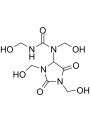
- Diazolidinyl Urea
- Methylparaben
- Propylparaben
- Propylene Glycol
- Perfume
Could you please advise on the availability and function of these ingredients in this type of formula, how they should be combined (mixing procedure), and whether preservatives like Diazolidinyl Urea, Methylparaben, and Propylparaben are necessary in a completely water-free formula?
Answer
Ingredient Availability and Function
Many of the ingredients you listed for a silicone-based, water-free sunscreen formula are available and commonly used in cosmetic formulations, particularly silicone-based ones:
- Cyclopentasiloxane and Cyclomethicone: These are lightweight, volatile silicones that serve as the primary base for this type of formula. They provide a smooth, silky feel and help other ingredients spread easily before evaporating. We have Cyclopentasiloxane available.
- Titanium Dioxide: This is a physical UV filter that provides sun protection. In silicone-based formulas, it needs to be properly dispersed in the silicone or oil phase to ensure even coverage and effectiveness. Various forms of Titanium Dioxide, including some pre-dispersed in silicones, are available.
- Dimethicone/Vinyl Dimethicone Crosspolymer and Dimethicone/Methicone Copolymer: These are silicone polymers or copolymers that can act as thickeners, texture enhancers, or film formers, contributing to the feel and longevity of the product. Related silicone crosspolymers and various types of Dimethicone are available.
- Isononyl Isononanoate: This is a lightweight emollient oil that provides slip and a pleasant skin feel. It is compatible with silicones and is available, including in gelled forms that can help thicken the oil/silicone phase.
- Aluminum Hydroxide: This is often used as a surface treatment for pigments and UV filters like Titanium Dioxide to improve their dispersion and feel in formulations. It is typically present as part of the treated Titanium Dioxide ingredient rather than added separately.
- Cyclotetrasiloxane: This is another volatile silicone similar to Cyclopentasiloxane, though it evaporates faster. Cyclopentasiloxane is a common alternative.
- Diazolidinyl Urea, Methylparaben, and Propylparaben: These are preservatives. Diazolidinyl Urea and Sodium Paraben (a type of paraben) are available. As noted in the forum reply, in a completely water-free formula like this silicone-based sunscreen, traditional water-soluble preservatives like these are generally not necessary because microbial growth requires water. If the formula is kept free of water contamination during use, preservatives can often be omitted.
- Propylene Glycol: This is a humectant and solvent, but it is water-soluble. While available, its inclusion in a strictly water-free silicone formula might be limited or require specific formulation techniques to ensure compatibility and stability.
- Perfume: Fragrance is added for scent. Perfume bases and solvents like Ethyl Alcohol are available.
How They Are Combined
Creating a silicone-based sunscreen typically involves mixing the oil/silicone phase ingredients.
- Silicone Base: Start with the primary silicone base like Cyclopentasiloxane.
- Oils and Silicones: Add other compatible oils and silicones, such as Isononyl Isononanoate, Dimethicone, or silicone crosspolymers, mixing until uniform.
- UV Filters/Pigments: The Titanium Dioxide needs to be thoroughly dispersed in a portion of the oil/silicone phase before being added to the main batch. Using a pre-dispersed form can simplify this step. Proper dispersion is crucial for sun protection effectiveness and preventing a chalky appearance.
- Thickening (Optional but common): To create a gel or cream texture and help suspend the Titanium Dioxide, a silicone gelling agent (like the Hectorite Gels based on Cyclomethicone or Isononyl Isononanoate) or a silicone crosspolymer can be incorporated into the silicone phase. This aligns with the forum suggestion of using a silicone gel base or a "warp cream maker" method, which often involves gelling the silicone phase.
- Other Additives: Add any other oil-soluble or silicone-soluble ingredients like antioxidants or emollients.
- Fragrance: Add perfume at the end, mixing gently.
- Preservatives (Consideration): As discussed, in a truly anhydrous (water-free) formula, preservatives like Diazolidinyl Urea or Parabens are typically not needed. If you choose to include Propylene Glycol or other potentially water-containing ingredients, or if there's a risk of water contamination during use, a suitable preservative system should be considered, although compatibility with the silicone base would be a key challenge.
The specific mixing method and order can vary depending on the exact ingredients and desired final texture (e.g., thin fluid vs. thick cream). Using a high-shear mixer is often necessary to properly disperse the Titanium Dioxide and create a stable emulsion or dispersion.
Related Products Mentioned
Propylene Glycol (USP)
Dimethicone (Light/50, Low-Odor)
Trifluoropropyl Methicone
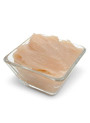
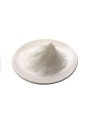
Sodium Paraben (Sodium Ethyl Paraben)
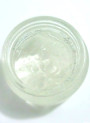
Isononyl Isononanoate Gel (Thixotropic)
KF-995 (Cylopentasiloxane, D5)