Silicone-Based Physical Sunscreen Formulation Questions
Question
I am developing a silicone-based physical sunscreen formulation and have some questions regarding the ingredients, mixing, and performance.
My expectations for this silicone sunscreen are:
- Effective UVA and UVB protection.
- Does not cause clogged pores.
- Is a non-waterproof sunscreen that is easy to wash off (ideally comes off when exposed to water).
Here is the formula I am considering:
- Oil Free Titanium Dioxide Nano 20%
- Oil Free Zinc Oxide Nano 20%
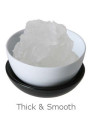
- Silicone Gel 40%
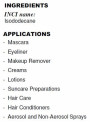
- Isododecane 20%
My proposed mixing steps are: Combine Silicone Gel + TiO2 + ZnO together, mix thoroughly, then add Isododecane to help liquefy the formula. Is this correct?
I have the following specific questions:
- Can I use Cyclomethicone 40% instead of Silicone Gel 40% to make the sunscreen lighter in texture?
- If I mix the formula by hand instead of using a Homogenizer, will the Silicone Gel and other ingredients combine completely?
- Since this formula contains no water, do I still need to add a preservative?
- Will this silicone sunscreen formula have an SPF of 50?
- This silicone sunscreen formula is likely not water-soluble. Will it be difficult to wash off?
Will Isododecane cause clogged pores? (I checked the other ingredients in the chart, and they seem unlikely to cause clogging).
Note: My skin is prone to clogging from sunscreens, even though I regularly use Paula's Choice BHA 2%.*
Answer
Silicone Sunscreen Formulation Questions
Based on your questions and the proposed formula, here is a summary of the information regarding your silicone-based physical sunscreen formulation:
Formula and Mixing
Your proposed mixing method of combining Silicone Gel, Titanium Dioxide, and Zinc Oxide first, then adding Isododecane to adjust viscosity, is correct.
Specific Questions & Answers
- Replacing Silicone Gel with Cyclomethicone: It is not recommended to replace 40% Silicone Gel with 40% Cyclomethicone. Cyclomethicone would make the formula too thin, which could lead to the Titanium Dioxide and Zinc Oxide powders not dispersing properly and potentially settling over time. A slightly thicker base is needed to keep the powders evenly suspended.
- Hand Mixing vs. Homogenizer: Hand mixing can be sufficient for dispersing nano-sized, pre-treated powders like oil-free Titanium Dioxide and Zinc Oxide, as they are designed to disperse easily. However, thorough mixing by hand is necessary to ensure complete and even dispersion of the powders throughout the gel.
- Preservative: Since your formula does not contain water, a preservative is not necessary.
- Estimated SPF: A formula with 20% Titanium Dioxide and 20% Zinc Oxide is expected to provide an SPF of around 50 or close to it. (Note: Actual SPF requires testing).
- Washability: Silicone-based physical sunscreens are generally water-resistant. They typically require a cleanser containing surfactants to be effectively washed off the skin. This is a normal characteristic of physical sunscreens.
- Isododecane and Clogging: Isododecane is generally considered non-comedogenic and is widely used in makeup products. It is unlikely to clog pores for most people. However, individual skin reactions can vary. Your past issues with other sunscreens might be related to incomplete removal, especially with acne-prone skin. Ensuring thorough cleansing with a suitable product is important.
Physical sunscreens (using ingredients like Titanium Dioxide and Zinc Oxide) are often less irritating and less likely to cause breakouts compared to chemical sunscreens. However, individual sensitivity to silicones can occur, although it is less common.
Related Products Mentioned
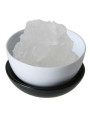
Silicone Gel (Ultra Clear, Super Silky)
Isododecane (Germany)
Titanium Dioxide Nanosil