Silicone-based Sunscreen SPF23: Texture, Separation, and Removal Issues
Question
I made a silicone-based sunscreen SPF23 formula using the following ingredients and percentages:
- Cyclomethicone (40%)
- Zinc Oxide (20%)
- Titanium Dioxide (10%)
- Silicone Gel (5%)
- Dimethicone (5%)
- Active ingredients (e.g., whitening, anti-aging) (Total 10%)
- Preservative (1%)
- Fragrance (0.5%)
- Water (8.5%)
I have a few questions about the resulting product:
- The texture feels too liquid and doesn't stick to the finger like a cream should. How can I fix this?
- When applied to the face, it initially feels oily and sticky, although it dries well after a while. Is this normal for this type of formula, and how can I reduce this feeling if I don't like it?
- Since this formula seems to be waterproof, can it be washed off with regular liquid facial soap, or do I need to use a makeup remover first?
- After finishing, I noticed an oily layer floating on the surface with the white cream below. Is this considered separation, or is it normal? How can I prevent this?
- If I need to fix the texture and separation issues by adding Silicone Gel, do I need to make a completely new batch, or can I add the Silicone Gel to the existing product? If I can add it to the existing product, what is the best way to do this?
Answer
Recommendations for your Silicone-based Sunscreen SPF23 Formula
Based on the formula you used and the issues you encountered, here are some explanations and suggestions:
1. Adjusting the Cream Texture
The reason your formula turned out too liquid and doesn't feel like a cream that sticks to your finger is partly due to the high proportion of Cyclomethicone (40%). Cyclomethicone is a lightweight, volatile silicone, which makes the formula very fluid.
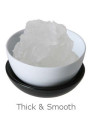
- Solution: As advised by the staff, you can increase the proportion of Silicone Gel in your formula. You might reduce the amount of Cyclomethicone down to make the texture thicker. Try adding Silicone Gel gradually to a small portion of your existing product first to find the desired consistency, then apply the suitable ratio to the rest of the batch.
2. Oily Feeling on the Skin
The initial feeling of oiliness and stickiness when applied is caused by the high amounts of Cyclomethicone and Dimethicone. These silicones provide a smooth, coating feel on the skin.
- Solution: If you don't like this feeling, you can reduce the amount of Cyclomethicone and Dimethicone. You might also consider replacing some of these with other types of LipidSoft that have a texture you prefer, as suggested by the staff.
3. Washing Off a Waterproof Formula
Since this formula contains silicones and is designed to be waterproof, washing it off with regular liquid facial soap might not be sufficient.
- Recommendation: It is best to use a dedicated makeup remover product to effectively clean off the silicone residue and sunscreen ingredients. This will be more effective than using regular soap.
4. Formula Separation
Observing an oily layer floating on top with the white cream below is considered separation. The main reason for this is that the formula is too liquid, preventing the solid particles like Zinc Oxide and Titanium Dioxide from remaining evenly suspended. This causes them to settle and separate from the silicone oil phase.
- Solution: Increasing the viscosity of the formula by adding Silicone Gel will help the ingredients remain suspended better and should resolve this separation issue.
In summary: The main issue with your formula is that it is too liquid, which can be fixed by increasing Silicone Gel and decreasing Cyclomethicone. Adjusting the viscosity will improve the texture and reduce separation. You should also use a makeup remover for cleaning.
Related Products Mentioned
Phenoxyethanol (Extra Pure)
Dimethicone (Medium/350, Low-Odor)
Silicone Gel (Ultra Clear, Super Silky)

Zinc Oxide 200nm EasyDisperse™
Zinc Oxide (Micronized)