Silicone-Free Chemical Sunscreen/BB Cream Formulation
Question
Is it possible to create a silicone-free sunscreen or BB cream formulation using chemical sunscreens? Specifically, how can a formula containing chemical sunscreens like Avobenzone 3%, Octisalate 5%, and Octocrylene 7% be made silicone-free? What are the key considerations for texture, pigment dispersion (for BB cream), and stability when replacing silicones like cyclomethicone with alternatives such as LipidSoft™ D5?
Answer
Silicone-Free Sunscreen/BB Cream Formulation
Yes, it is possible to create a silicone-free sunscreen or BB cream formulation using chemical sunscreens like Avobenzone, Octisalate, and Octocrylene, as discussed previously. Chemical sunscreens are often easier to formulate without silicones compared to physical sunscreens (Zinc Oxide, Titanium Dioxide) because they are typically oil-soluble and don't require dispersing solid particles.
To create a silicone-free base, you can replace silicones like cyclomethicone with alternative emollients and texture enhancers. For example, LipidSoft™ D5 is designed as a cyclomethicone replacer and can provide a similar light, non-greasy feel. Other non-silicone oils and esters can also be used.
Here is a conceptual outline for a silicone-free chemical sunscreen/BB cream formulation:
Silicone-Free Sunscreen/BB Cream Base (Conceptual)
- Oil Phase:
- Chemical Sunscreens (e.g., Avobenzone, Octisalate, Octocrylene) - Dissolved in suitable non-silicone emollients/solvents like LipidSoft™ D5 or other esters/oils.
- Other emollients/oils (e.g., fractionated coconut oil alternatives, plant-based oils, esters) - To provide desired skin feel and solvency.
- Emulsifier - To combine the oil and water phases.
- Pigments (for BB cream) - Dispersed in the oil phase or a separate pigment dispersion.
- Water Phase:
- Water
- Humectants (e.g., Glycerin)
- Thickeners/Gelling Agents (non-silicone, e.g., acrylates copolymer, gums)
- Preservatives
- Optional: Water-dispersible sunscreens like AquaForce™ AVO could also be considered for the water phase.
- Cool Down Phase:
- Fragrance (optional)
- Additional preservatives or sensitive actives
Key Considerations for Silicone-Free:
- Texture: Achieving the silky, smooth feel of silicones requires careful selection of alternative emollients and thickeners. LipidSoft™ D5 is a good starting point.
- Pigment Dispersion (for BB cream): Ensure pigments are well-dispersed in a suitable non-silicone vehicle to avoid a streaky or uneven appearance.
- Stability: Ensure the chosen emulsifier system is robust enough to handle the oil load and pigments without silicones.
By selecting appropriate non-silicone ingredients for the oil phase, water phase, and emulsification system, you can create an effective and pleasant-feeling silicone-free sunscreen or BB cream using chemical UV filters.
Related Products Mentioned
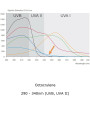
Octocrylene