Silicone-Free Cream Formulation for Skin Barrier Repair and Hydration
Question
Following up on the previous discussion about cream formulation issues, I would like to make a cream myself that has properties similar to the products I currently use, such as Curel Intensive Moisture Care Intensive Moisture Cream, RESIST 10% Niacinamide Booster, and RESIST Hyaluronic Acid Booster.
I specifically want to create a formula that is silicone-free. Could you please recommend the key active ingredients or activators I should use?
Additionally, based on the recommended ingredients, can 1,2-Hexanediol be used as a sole preservative in this type of formula?
Answer
Advice for Formulating a Silicone-Free Skin Cream
Regarding the irritation and dryness you experienced with your first cream formula, as the staff mentioned, this could be due to several reasons, including incorrect mixing procedures (such as incomplete dissolution of some ingredients or not using heat for Shea Butter) or a reaction to one or more ingredients in the formula.
For your second question about making a cream that combines the properties of your current creams (Curel Intensive Moisture Care Intensive Moisture Cream, RESIST 10% Niacinamide Booster, and RESIST Hyaluronic Acid Booster) without using silicones, this is achievable. The focus will be on using ingredients that help strengthen the skin barrier, provide moisture, reduce irritation, and offer other beneficial skin properties found in the products you mentioned.
Recommended Key Ingredients (Silicone-Free)
To create a cream with similar benefits to your current products, focusing on nourishing and reinforcing the skin barrier, you can select from these ingredients:
- กลุ่มเสริมเกราะป้องกันผิว (Skin Barrier Repair):
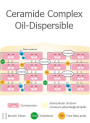
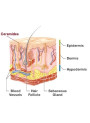
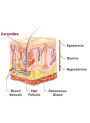
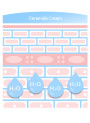
- Ceramide Complex or Cera-Flux VX: Ceramide complexes that help restore and strengthen the skin barrier.
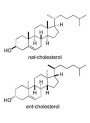
- Cholesterol: An essential component of the skin barrier, works well with ceramides.
- Phytosphingosine: A naturally occurring skin component that supports the barrier and has some antimicrobial properties.
- กลุ่มให้ความชุ่มชื้น (Hydration/Humectant):
- Hyaluronic Acid (Small Molecule): Provides deep hydration to the skin.
- Sodium Hyaluronate: A form of Hyaluronic Acid that helps retain moisture on the skin surface.
- Glycerin: A good basic humectant.
- Butylene Glycol: Helps boost hydration and acts as a solvent.
- Panthenol (Vitamin B5): Provides moisture, soothes skin, and supports skin regeneration.
- กลุ่มปลอบประโลม/ลดการระคายเคือง (Soothing/Anti-irritant):
- Allantoin: Helps reduce irritation and promotes skin repair.
- Glycyrrhetinic Acid or Dipotassium Glycyrrhizate: Licorice root derivatives that help reduce inflammation and irritation.
- กลุ่มบำรุงผิวอื่นๆ:
- Niacinamide (Safe-B3™): Vitamin B3 helps strengthen the skin barrier, reduce redness and hyperpigmentation, control oil, and reduce inflammation.
- Acetyl Glucosamine (GlucoBright™): Helps with skin brightening, reducing dark spots, and stimulating the skin's natural production of Hyaluronic Acid.
- Vitamin E (Tocopheryl Acetate): An antioxidant that helps protect the skin.
- กลุ่มน้ำมัน/บัตเตอร์ (Emollients):
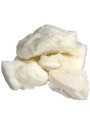
- Shea Butter: A natural fat that helps soften and moisturize the skin.
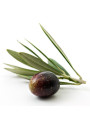
- Squalane (Olive): An oil similar to the skin's natural sebum, absorbs easily, and provides moisture without feeling greasy.
- สารสร้างเนื้อครีม (Cream Maker):
- เนื่องจากสูตรมีส่วนผสมของน้ำมัน/บัตเตอร์ และต้องการเนื้อครีมที่บำรุงผิวได้ดี แนะนำให้ใช้สารสร้างเนื้อครีมที่สามารถผสานน้ำกับน้ำมันได้ดีและอาจต้องใช้ความร้อนในการผสม เช่น Butter Cream Maker หรือ Soft Cream Maker ซึ่งจะช่วยให้ Shea Butter ละลายและเข้ากับสูตรได้ดีกว่า Light Cream Maker ในบางกรณี
- สารกันเสีย (Preservative):
- Mild Preserved Eco: An ingredient that helps control microbial growth without being classified as a traditional preservative.
- 1,2-Hexanediol: Can be used as a sole preservative at around 3% and also acts as a preservative booster, enhances penetration, and is a humectant.
General Cream Mixing Guide (Oil-in-Water Formula)
- Water Phase: Combine water with all water-soluble ingredients such as Glycerin, Butylene Glycol, Niacinamide, Hyaluronic Acid, Allantoin, Panthenol, Acetyl Glucosamine, Glycyrrhetinic Acid/Dipotassium Glycyrrhizate. Stir or mix until fully dissolved.
- Oil Phase: Combine Shea Butter, Squalane, Vitamin E, Ceramide Complex (oil-dispersible type), Cholesterol, Phytosphingosine. If using Butter Cream Maker or Soft Cream Maker, add the cream maker to this oil phase.
- Heat: Gently heat both the water phase and the oil phase to around 70-80°C (following the specific instructions for your chosen cream maker) to help melt the Shea Butter and ensure all oil-soluble ingredients are well dispersed.
- Combine: Slowly pour the oil phase into the water phase (or vice versa, depending on the cream maker type) while continuously stirring or mixing at a moderate speed until the mixture thickens into a cream.
- Add Preservative: Once the cream has cooled down (below 40°C), add Mild Preserved Eco or 1,2-Hexanediol and mix thoroughly.
- Adjust Texture (if needed): If a thicker cream is desired, a small amount of additional cream maker or another compatible thickener can be added (following usage guidelines).
Important Notes:
- DIY cosmetic formulation requires precision in weighing and correct mixing steps to achieve a stable and effective cream.
- Omitting silicones may result in a different skin feel compared to some commercial creams that use silicones for immediate smoothness.
- Always patch test any new formulation on a small area of skin before applying it to your face to check for any adverse reactions or irritation.
Using 1,2-Hexanediol as a Sole Preservative
As the staff confirmed, 1,2-Hexanediol can indeed be used as a sole preservative in a formula at a concentration of around 3%. It is effective in controlling microbial growth and also offers benefits like hydration and enhancing the penetration of other ingredients.
However, it is important to remember that any ingredient has the potential to cause allergic reactions or irritation in some individuals. While 1,2-Hexanediol is generally considered mild, some people may experience stinging or irritation. Patch testing on your own skin is the most reliable way to determine if an ingredient is suitable for you.
I hope this information helps you with your formulation process! Feel free to ask if you have any more questions.
Related Products Mentioned
Vitamin E (Tocopheryl Acetate)
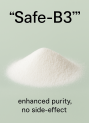
Safe-B3™ (Vitamin B3, Niacinamide)
Allantoin
GlucoBright™ (Acetyl Glucosamine)
Shea Butter (Refined , Deodorised)
Squalane (Olive)
Glycerin (USP/Food Grade)
Butylene Glycol
Cholesterol (95%, NF, Fine Powder)
Soft Cream Maker™
Glycyrrhetinic acid (Enoxolone)
Mild Preserved Eco™ (Preservative-Free)
Butter Cream Maker™
Phytosphingosine (90% Purity)