Silicone-Free Physical Sunscreen Separation Issue for SPF Testing
Question
Request for advice on a silicone-free physical sunscreen formulation that separated during SPF/PA testing. The lab reported the cream separated and could not be tested. Seeking recommendations to improve dispersion or suggestions for additional co-emulsifiers. The overall formula includes: Natural Oil + Cetiol + C12-15 (total 10%), Titanium Dioxide 3.5%, Zinc Oxide 7.5%, Viscolam 2%, Cosmedia 1%, Polyhydroxystearic acid 3%.
Answer
Silicone-Free Physical Sunscreen Stability
It sounds like you are facing a common challenge when formulating physical sunscreens without silicones: keeping the high concentration of Titanium Dioxide and Zinc Oxide dispersed and preventing the formula from separating. Physical filters are solid particles, and ensuring they remain evenly suspended in the emulsion is key to stability and successful SPF/PA testing.
Your formula includes several relevant ingredients:
- Oil Phase: Natural Oil, Cetiol, C12-15 (total 10%)
- UV Filters: Titanium Dioxide (3.5%), Zinc Oxide (7.5%) - Total 11%
- Thickeners/Stabilizers: Viscolam (2%), Cosmedia (1%)
- Dispersant: Polyhydroxystearic acid (3%)
The separation is likely due to the heavy pigment load settling over time because the dispersion and stabilization system isn't sufficient to keep them suspended in the absence of silicones.
Polyhydroxystearic acid is an excellent dispersant for these pigments in the oil phase. Using it at 3% is appropriate, but the method of dispersion is critical. Ensure the Titanium Dioxide and Zinc Oxide are thoroughly wetted and dispersed in the oil phase containing Polyhydroxystearic acid, Cetiol, and C12-15 before emulsification. Using high shear mixing (like a homogenizer) during this step and after forming the emulsion is highly recommended to break down pigment aggregates and improve stability.
The choice of emulsifier and thickener/stabilizer is also vital. While Viscolam and potentially Cosmedia (depending on what it is) provide viscosity, they might not offer enough suspension power for such a high pigment load without silicones.
Here are some strategies and ingredients that can help improve stability:
- Enhance Pigment Dispersion: Focus on achieving a perfect dispersion of Titanium Dioxide and Zinc Oxide in the oil phase using Polyhydroxystearic acid and C12-15 Alkyl Benzoate. High shear is essential. Consider using pre-dispersed or surface-treated pigments if available, as they are easier to incorporate stably.
- Select a Robust Emulsifier: Your current "Emulsifier" isn't specified, but for high oil/pigment loads in silicone-free systems, consider:
- W/O Emulsifiers: Polyglyceryl-2 Dipolyhydroxystearate is commonly used in physical sunscreens for its ability to stabilize high internal phases.
- Polymeric Emulsifiers/Stabilizers: Ingredients like Sucrose Cream Maker or CreamMaker EG are polymeric systems that can build significant viscosity and provide excellent suspension properties, helping to keep pigments from settling.
- Optimize Thickener System: Evaluate if your current thickeners provide enough yield stress to suspend the particles. You might need to increase their concentration or incorporate a different rheology modifier known for suspending solids.
By focusing on thorough pigment dispersion and selecting a more powerful emulsification and stabilization system, you can create a stable silicone-free physical sunscreen capable of passing laboratory testing.
Relevant products to consider based on your formula and potential solutions include:
- Titanium Dioxide Nanosil
- Zinc Oxide (Ultra-Fine, Non-Yellow, Non-Coated, USP)
- Polyhydroxystearic acid
- Viscolam AT 100P
- LipidSoft™ Cyclo (e.q. Cetiol Ultimate)
- C12-15 alkyl benzoate Gel (Flowable)
- Polyglyceryl-2 dipolyhydroxystearate (e.q. Dehymuls PGPH)
- Sucrose Cream Maker™ (e.q. Emulgade Sucro Plus)
- CreamMaker EG™ (e.q. Simulgel EG)
Related Products Mentioned
Titanium Dioxide Nanosil
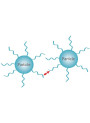
Polyhydroxystearic acid

Viscolam AT 100P
LipidSoft™ Cyclo (e.q. Cetiol Ultimate)
C12-15 alkyl benzoate Gel (Flowable)