Simple Brightening Cleansing Water Formula (Homemade)
Question
Could you provide a simple, non-advanced formula for a homemade cleansing water that focuses on skin brightening?
Answer
Simple Brightening Cleansing Water Formula (Homemade)
Here is a basic framework for a simple Cleansing Water formula focused on skin brightening that you can try making at home. This formula uses ingredients commonly found and is designed to be relatively straightforward.
Important Note: Making cosmetics at home requires strict hygiene, accurate measurements, and understanding the properties and safe handling of each ingredient. Always refer to the supplier's recommended usage rates and safety data sheets (SDS) for each specific ingredient you purchase.
Formula Structure (Example Percentages)
- Phase A (Water Phase):
- Distilled or Deionized Water: 85 - 93%
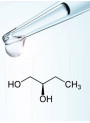
- Butylene Glycol: 2 - 5% (Humectant)
- Disodium EDTA: 0.05% (Chelating agent, helps stabilize Vitamin C SAP)
- Phase B (Cleansing/Active Phase):
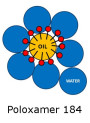
- Poloxamer 184: 1 - 3% (Surfactant/Micellar Agent)
- Sodium Ascorbyl Phosphate (Vitamin C SAP): 1 - 3% (Brightening Agent - Note pH requirement)
- Phase C (Preservation):
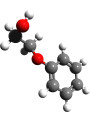
- Phenoxyethanol P5: 0.5 - 1.0% (Preservative - Check supplier's max usage)
- Phase D (pH Adjustment):
- Citric Acid or Sodium Hydroxide Solution: As needed
Step-by-Step Guide (General)
- Sanitation: Thoroughly clean and sanitize all your equipment, containers, and workspace.
- Phase A: Weigh the water into a clean beaker. Add Butylene Glycol and Disodium EDTA. Stir until fully dissolved.
- Phase B: Add Poloxamer 184 to Phase A and stir gently until dispersed. Then add Sodium Ascorbyl Phosphate (Vitamin C SAP) and stir until dissolved.
- Phase C: Add Phenoxyethanol P5 to the mixture and stir to combine.
- pH Adjustment: Measure the pH of the solution using a pH meter or pH strips. For Sodium Ascorbyl Phosphate (Vitamin C SAP) stability and efficacy, the ideal pH range is typically 7-8. If the pH is outside this range, carefully add a dilute solution of Citric Acid (to lower pH) or Sodium Hydroxide (to raise pH) drop by drop, stirring and re-checking the pH until it is within the target range.
- Final: Once the pH is adjusted, transfer the Cleansing Water to a clean, sanitized bottle.
Ingredient Notes:
- Poloxamer 184: A gentle surfactant commonly used in micellar waters, known for not irritating the eyes.
- Butylene Glycol: Acts as a humectant to draw moisture to the skin and can also help dissolve other ingredients.
- Sodium Ascorbyl Phosphate (Vitamin C SAP): A stable form of Vitamin C that helps brighten the skin. It requires a slightly alkaline pH (7-8) for optimal stability and function. Avoid heating this ingredient above 60°C.
- Phenoxyethanol P5: A broad-spectrum preservative essential for preventing microbial growth in water-based products.
Remember to always follow the specific instructions and recommended usage rates provided by your ingredient supplier. Start with small batch sizes when trying a new formula.