Simple Cream Base Recipe
Asked by: p_punchinello
On: August 18, 2016
Product Type:
Cosmetics
Answered
Question
Could you provide a simple recipe for a cream base that can be used as a foundation for adding other active ingredients?
Answer
Simple Cream Base Recipe
This recipe provides a basic framework. You can adjust the percentages slightly to achieve your desired texture (e.g., more oil phase for a richer cream, less for a lighter lotion).
Ingredients:
- Water Phase:
- Distilled Water: 70-80%
- Glycerin (Humectant): 3-5%
- Xanthan Gum (Thickener): 0.2-0.5%
- Oil Phase:
- Caprylic/Capric Triglyceride (Emollient/Oil): 5-10%
- Cetearyl Alcohol (Thickener/Stabilizer): 3-5%
- Ceteareth-20 (Emulsifier): 2-4%
- Cool Down Phase:
- Phenoxyethanol P5 (Preservative): 0.5-1%
Instructions:
- Prepare the Water Phase: In a heat-resistant beaker, combine the distilled water, Glycerin, and Xanthan Gum. Stir or whisk well to disperse the Xanthan Gum and prevent clumps. You can gently heat this phase to help dissolve the Xanthan Gum completely, but it's often possible to hydrate it fully with strong mixing at room temperature.
- Prepare the Oil Phase: In a separate heat-resistant beaker, combine the Caprylic/Capric Triglyceride, Cetearyl Alcohol, and Ceteareth-20. Heat this phase to approximately 70-75°C (158-167°F) until all the solid ingredients (Cetearyl Alcohol and Ceteareth-20) are completely melted and clear.
- Combine Phases: Once both phases are heated to roughly the same temperature (around 70-75°C), slowly pour the Oil Phase into the Water Phase while continuously stirring or using an immersion blender. Blend or stir vigorously for several minutes to create a stable emulsion.
- Cool Down: Continue stirring occasionally as the mixture cools. As it cools, it will start to thicken into a cream consistency.
- Add Cool Down Phase Ingredients: Once the cream has cooled to below 40°C (104°F), add the Phenoxyethanol P5. Stir well to ensure even distribution.
- Final Adjustments (Optional): You can check the pH of the cream and adjust if necessary, although for a simple base, it's often not required unless adding pH-sensitive extracts later.
- Storage: Transfer the finished cream base into a clean, sterilized container.
This basic cream base can then be used as a foundation for adding your desired extracts, vitamins, or other active ingredients in the cool-down phase (after adding the preservative). Always ensure any added ingredients are compatible with the base and follow recommended usage rates.
Related Products Mentioned
Glycerin (USP/Food Grade)
Cosmetics
Cetearyl Alcohol (50/50, e.q. Lanette O)
Cosmetics
Ceteareth-20 (Flake)
Cosmetics
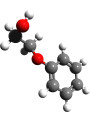
Phenoxyethanol P5
Cosmetics