Simple Lip Balm Formulation: Sufficiency, Preservation, and Shelf Life
Question
I would like to ask the team if I want to make lip balm for sale with simple ingredients:
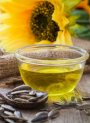
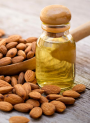
1. Oils like Sweet Almond Oil, Coconut Oil, Sunflower Oil, which provide moisture to the lips.
2. Wax
3. Essential Oil
4. Coloring using ingredients like Iron Oxide
My questions are:
1. Is this simple formula sufficient for making lip balm for sale? Because I observe that products sold in the market often contain water phase and oil phase ingredients.
2. Will it spoil quickly since no preservative is added?
3. Does Essential Oil help extend the shelf life of the ingredients?
Answer
Lip Balm Formulation Advice
Regarding your questions about making a lip balm for sale with a simple formula:
Is this simple formula sufficient for a commercial lip balm?
Yes, a simple formula consisting of oils, waxes, essential oils, and colorants is sufficient for creating a lip balm for sale. Lip balms are typically anhydrous products (meaning they do not contain water). The ingredients you listed are all oil-based or dispersible in oil, which is standard for lip balm formulations. While some lip products on the market might contain a water phase (often in emulsions like creams or lotions for lips), a traditional lip balm functions effectively with just oils and waxes to provide a protective and moisturizing barrier.Will it spoil quickly without preservatives?
Since your formula is anhydrous (contains no water), it is generally not susceptible to microbial growth (bacteria, yeast, mold), which is what traditional preservatives prevent. Therefore, you typically do not need microbial preservatives in an anhydrous lip balm. However, oils can go rancid over time due to oxidation, which can cause off-odors and affect the product's quality. To prevent this oxidative rancidity and extend the shelf life of the oils, it is highly recommended to include an antioxidant in your formula.Does essential oil help extend the shelf life?
Essential oils are primarily used for fragrance or their specific properties (e.g., soothing). While some essential oils may have minor antimicrobial properties, they are not reliable or sufficient as the sole method to prevent microbial spoilage (which, as mentioned, is unlikely in an anhydrous product anyway). More importantly, essential oils do not prevent the oxidative rancidity of the base oils and waxes. To protect the oils from going rancid, you need to add an antioxidant.
In summary, your proposed simple anhydrous formula is suitable for a lip balm. You do not need microbial preservatives, but you should definitely add an antioxidant to prevent the oils from going rancid and ensure a longer shelf life for your product.
Related Products Mentioned
Fractionated Coconut Oil