Skin Barrier Repair, Hyaluronic Acid, and Ingredient Penetration
Question
My skin is currently oily, dry, peeling, and sensitive. The staff recommended focusing on barrier repair using a simple, oil-free gel formula with Zinc PCA, Pure MSM™, Licorice Extract (Licochalcone A 1%, Water-Soluble), L-Carnitine, and Safe-B3™ (Vitamin B3, Niacinamide) made with Pro Polymer™ or Xanthan Gum, along with gentle cleansing. I am considering using other ingredients like Vitamin C (such as Ethyl Ascorbic Acid or L-ascorbic acid), GlucoBright™ (Acetyl Glucosamine), Urea, Sodium PCA, and Hyaluronic Acid (Standard and Nano) in a lotion for mask sheets later.
I have two main questions:
- Regarding the lotion for mask sheets, if I use
Hyaluronic Acid(Standard Molecule), will it create a gel texture, and can this gel still be absorbed by a mask sheet? What is the difference in texture or properties if I useHyaluronic Acid(Nano Molecule) instead or in combination? - Do
Sodium PCAandHyaluronic Acidpenetrate into different layers of the skin, or do they primarily work on the same layer?
Answer
Understanding Your Skin Concerns and Formulation Plan
Thank you for your questions regarding formulating a lotion for mask sheets and the properties of different ingredients. Based on the previous conversation, it is clear that your skin is currently experiencing issues with a compromised barrier, showing symptoms of both oiliness and dryness/peeling, along with sensitivity.
Hyaluronic Acid for Mask Sheets & Gelling
Regarding your question about using Hyaluronic Acid (Standard Molecule) in a lotion for mask sheets and the resulting gel consistency: Standard Molecule Hyaluronic Acid (around 1,000,000 Daltons) is effective at providing hydration on the skin's surface and is the type that primarily contributes to forming a gel texture. The thickness of the gel will depend directly on the concentration of Standard Molecule Hyaluronic Acid you use. As the staff mentioned, even with the gel texture it creates, it can still be absorbed into a mask sheet.
Using Nano Molecule Hyaluronic Acid (like the 800 Dalton size) is also beneficial. Due to its much smaller size, it can penetrate deeper into the epidermis compared to the Standard Molecule, providing hydration at different levels within the skin's upper layers. For comprehensive hydration, combining both Standard and Nano molecular weights can be advantageous, with the Standard size contributing more to the desired gel viscosity for a mask lotion.
Sodium PCA vs. Hyaluronic Acid Penetration
You asked if Sodium PCA and Hyaluronic Acid penetrate different layers of the skin. Both Sodium PCA and Hyaluronic Acid are key components of the skin's Natural Moisturizing Factor (NMF) and function primarily in the stratum corneum (the outermost layer of the epidermis) and the upper parts of the epidermis. Their main role is to attract and retain moisture, supporting the skin barrier function.
While different molecular weights of Hyaluronic Acid (like Nano vs. Standard) do penetrate to slightly different depths within the epidermis, neither of these ingredients penetrates deep into the dermis. So, while they might reach different levels within the very top layers of the skin, their primary action is focused on epidermal hydration and barrier support, rather than penetrating into distinct, separate deep layers of the skin.
Prioritizing Skin Barrier Repair
As the staff correctly advised, the most critical step right now is to focus on repairing your compromised skin barrier. The symptoms you described (oily, yet dry, peeling, and sensitive) are classic signs of a damaged barrier. Applying multiple active ingredients or complex formulations before the barrier is healthy can exacerbate irritation and delay recovery.
The ingredients recommended by the staff are excellent choices for this purpose:
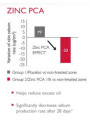
- Zinc PCA: Helps control oil production and has anti-inflammatory properties, beneficial for acne-prone skin.
- Pure MSM™: Also helps regulate sebum production and can aid in skin health.
- Licorice Extract (Licochalcone A 1%, Water-Soluble): Known for its soothing and anti-inflammatory benefits, helping to reduce redness and irritation.
- L-Carnitine: Can help normalize skin cell turnover and reduce oiliness gently, while also providing moisture.
- Safe-B3™ (Vitamin B3, Niacinamide): A versatile ingredient that strengthens the skin barrier, reduces inflammation, helps with oil control, and can improve the appearance of redness and hyperpigmentation.
Using these ingredients in an oil-free gel base, such as one made with Pro Polymer™ or Xanthan Gum, is suitable for oily skin while providing necessary hydration without heaviness. Pro Polymer™ is particularly useful if your formula contains electrolytes like Zinc PCA or Sodium PCA, as it is more resistant to viscosity loss in their presence.
Your Proposed Ingredients (for later)
The ingredients you are considering for a mask lotion – Vitamin C, Vitamin B3, Glucosamine, Natural Urea, Sodium PCA, and Hyaluronic Acid – are indeed beneficial for various skin concerns like hydration, brightening, and overall skin health. For example:
- Vitamin C (such as Ethyl Ascorbic Acid or L-ascorbic acid): Excellent antioxidant and helps with skin brightening and collagen synthesis.
- GlucoBright™ (Acetyl Glucosamine): Works well with Niacinamide for brightening and can stimulate the skin's own hyaluronic acid production.
- Urea: A powerful humectant and part of the NMF, very effective for dry skin and can help with gentle exfoliation at higher concentrations.
- Sodium PCA: Another key NMF component for hydration.
- Hyaluronic Acid (Standard and Nano): Provides multi-level hydration.
However, introducing these ingredients while your skin barrier is compromised might cause further sensitivity or irritation. Some combinations, like certain forms of Vitamin C with Niacinamide or Zinc PCA, can also be challenging to formulate for stability or may increase irritation potential.
Therefore, it is highly recommended to follow the staff's advice first: focus on the barrier repair routine with the suggested ingredients and gentle cleansing until your skin is stable, less oily, and no longer dry, peeling, or sensitive. Once your skin barrier is healthy, you can then gradually introduce other beneficial ingredients like Vitamin C, Glucosamine, Urea, Sodium PCA, and Hyaluronic Acid to address concerns like dullness and enhance hydration.
Prioritizing skin health and stability is the best approach for achieving your long-term skincare goals.
Related Products Mentioned
Safe-B3™ (Vitamin B3, Niacinamide)
GlucoBright™ (Acetyl Glucosamine)
Urea (High Purity, Cosmetics, Powder)
Sodium PCA 50%
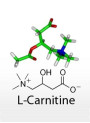
L-Carnitine (Carnitine)

Pure MSM™ (Methylsulfonylmethane)
Pro Polymer™ (Gel Maker)
Zinc PCA