Skin Brightening/Melasma Cream Formula: Usability, Gel Form, and Sun Protection
Question
I am developing a cream formula for skin brightening and melasma treatment with the following ingredients:
- Activated Resorcinol 1%
- Tranexamic Acid 5%
- Vitamin B3
- N-acetyl glucosamine
- L-Carnitine
- LipidSoft
- Light Cream Maker
- Phenoxyethanol
- Citric Acid (for pH adjustment)
My proposed mixing method is to dissolve the water-soluble ingredients (Vitamin B3, N-acetyl glucosamine, Tranexamic Acid, L-Carnitine, Phenoxyethanol) in the water phase first, adjust the pH of the water phase using Citric Acid, and then combine it with the oil phase (Activated Resorcinol, LipidSoft, Light Cream Maker).
I have a few questions regarding this formula:
- Is this formula usable, and is my proposed mixing method correct, particularly regarding adjusting the pH of the water phase before combining with the oil phase?
- Are there any redundant ingredients in this formula that could be removed?
- If I wanted to make this formula into a clear gel texture instead of a cream, how should I prepare it?
- The expert mentioned that sun protection is necessary when using this formula. Could you please recommend a suitable sunscreen ingredient to add to this formula, or should I use a separate sunscreen product after applying this formula?
Answer
Formula Analysis for Skin Brightening and Melasma
Let's analyze your formula for skin brightening and melasma treatment, addressing your questions and the points raised in the discussion.
1) Is this formula usable? And is the mixing method correct?
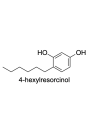
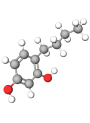
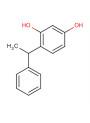
The formula contains several effective ingredients for skin brightening and melasma: Activated Resorcinol (assuming a derivative like 4-Butylresorcinol or Phenylethyl Resorcinol), Tranexamic Acid, Vitamin B3 (Niacinamide), and N-acetyl glucosamine. LipidSoft and Light Cream Maker are used for the cream base, Phenoxyethanol as a preservative, and Citric Acid for pH adjustment.
Usability: While the ingredients are beneficial, the concentration of Tranexamic Acid at 5% exceeds the limit for cosmetic products (3%) in Thailand and would require registration as a medicine. The concentration of the Resorcinol derivative at 1% is at the maximum recommended level for leave-on products and, combined with other actives, could potentially cause skin irritation. It's important to consider these regulatory and irritation potential aspects.
Mixing Method: Your proposed method of dissolving water-soluble ingredients (Vitamin B3, N-acetyl glucosamine, Tranexamic Acid, L-Carnitine, Phenoxyethanol) in the water phase and adjusting the pH before combining with the oil phase (Resorcinol derivative, LipidSoft, Light Cream Maker) is a correct and recommended approach. Adjusting the pH in the water phase first helps ensure the stability and efficacy of the water-soluble actives and prevents potential issues with the cream's viscosity and stability that can occur when adjusting pH after emulsification, as noted in the forum reply.
2) Are there any redundant ingredients?
The formula uses multiple ingredients targeting skin brightening and melasma through different mechanisms:
- Vitamin B3 (Niacinamide) and N-acetyl glucosamine are known to work synergistically to reduce hyperpigmentation and improve skin tone. Using them together is beneficial and not considered redundant.
- Tranexamic Acid and Resorcinol derivatives (like Activated Resorcinol or Phenylethyl Resorcinol) also target pigmentation pathways, but through different actions (inhibiting plasmin vs. inhibiting tyrosinase). While not strictly redundant in mechanism, using multiple potent actives at high concentrations increases the risk of irritation without necessarily providing a proportionally greater benefit. You might consider optimizing the concentrations or focusing on a primary active supported by synergistic ingredients like Vitamin B3 and N-acetyl glucosamine.
- L-Carnitine primarily helps with skin cell turnover and oil control, which can indirectly contribute to clearer skin, but its main function isn't direct melanin inhibition.
Overall, while some ingredients have overlapping goals, the combination of Vitamin B3 and N-acetyl glucosamine is synergistic. The combination of Tranexamic Acid and the Resorcinol derivative might be considered potent but also potentially irritating at these levels.
3) How to make this a clear gel?
To create a clear gel from this formula, you would need to address the oil phase (LipidSoft and the oil-soluble Resorcinol derivative). Standard emulsifiers like Light Cream Maker create opaque emulsions (creams or lotions).
As suggested in the forum reply, you would need to use a solubilizer like Flora Solve Clear or Ultra Solve to disperse the oil-soluble ingredients into the water phase in a way that results in a clear solution. This typically requires using the solubilizer at a relatively high ratio (often 2-5 times the amount of the oil phase). Be aware that using high concentrations of solubilizers can sometimes lead to a sticky or less desirable skin feel compared to a cream emulsion.
Alternatively, you could reformulate the product as a clear gel by removing the oil phase ingredients (LipidSoft and the oil-soluble Resorcinol derivative) and formulating with only the water-soluble actives (Tranexamic Acid, Vitamin B3, N-acetyl glucosamine, L-Carnitine, Phenoxyethanol) using a suitable water-phase gelling agent.
Important Consideration: Sun Protection
As highlighted in the forum discussion, using potent whitening ingredients, especially Resorcinol derivatives, can make the skin more sensitive to the sun. It is crucial to use adequate sun protection daily when using this type of product to prevent further pigmentation and protect the skin. It is generally recommended to use a separate sunscreen product after applying the treatment cream, rather than trying to incorporate sunscreen filters directly into this formula, which can be complex and affect stability.
Related Products Mentioned
Safe-B3™ (Vitamin B3, Niacinamide)
GlucoBright™ (Acetyl Glucosamine)
Light Cream Maker™
Phenoxyethanol (Extra Pure)
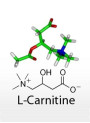
L-Carnitine (Carnitine)
Tranexamic Acid (Trans-White™)