Skin Bumps, Clogged Pores, and Questions about Skincare Products
Question
I have small bumps all over my face (except forehead) that look smooth from afar but are visible up close, some are tiny clear bumps. I also have deep clogged pores on my cheeks, which is where I usually get acne. My pores are also very large. I suspect this might be due to frequently changing sunscreens and not using a proper cleanser initially, causing clogged pores, or perhaps an ingredient allergy.
I've been using BHA (time release 1% for almost a month, then 2% for about a month) but the clogged pores haven't significantly improved, and the small bumps persist. I don't experience stinging, dryness, or redness from BHA, possibly because I use a moisturizing gel. I'm wondering if I should continue using BHA or stop. I also want to know if I can add Differin or Azelaic Acid. Should I seek medical advice from a dermatologist?
I'm currently using the following products:
- A gel containing Vit B3, NAD, sea kelp, green tea, lemon peel, phenoxethanol, propolymer, and water. I find it very good, but haven't seen whitening results.
- 100% Pitera, which makes my face feel plump and not dry or oily.
- Dr. Anchalee Sunscreen (primarily Zinc Oxide, no silicone). It's hard to spread but washes off easily.
- Cleansing water formulated with
PEG6 6%andPEG7 6%. When mixed, it feels slightly oily, but this disappears after rinsing. Is this normal?
Additionally, I need recommendations for sunscreen (SPF 50+, non-silicone or easy to wash off) for daily strong sun exposure, and ingredients for skin whitening to match my face color to my body color.
Answer
Addressing Your Skin Concerns and Product Questions
Hello! I understand your frustration with the small bumps and clogged pores on your face. It's great that you've been paying close attention to your skin and the products you're using.
Based on your description of small, clear bumps and deep clogged pores, along with your history of frequent sunscreen changes and not using a dedicated cleanser initially, it's possible that product buildup or sensitivity is contributing to the issue. Your current routine with BHA is a good step for exfoliation, but as you've noted, it hasn't fully resolved the problem.
Regarding BHA, Differin, and Azelaic Acid
You are currently using BHA and considering adding potent ingredients like Differin (adapalene) or Azelaic Acid. These are powerful actives, and while they can be effective for acne and clogged pores, determining the right concentration, combination, and duration of use requires professional expertise.
I strongly recommend consulting a dermatologist. A skin doctor can accurately diagnose the type of bumps you have (they might not be typical clogged pores or fungal acne, for example) and provide a tailored treatment plan. They can advise you on whether to continue BHA, introduce Differin or Azelaic Acid, or explore other options safely and effectively. Self-treating with multiple strong actives can sometimes worsen irritation or other issues.
Your Current Products
- Gel with Vit B3, NAD, etc.: It sounds like this gel is providing good hydration and barrier support, which is excellent for overall skin health, especially when using exfoliants like BHA. Niacinamide (Vitamin B3) itself offers multiple benefits, including improving skin barrier function and potentially helping with redness and overall tone, though its whitening effect can be subtle compared to other ingredients.
- 100% Pitera: It's great that you find this product beneficial for hydration and texture. Pitera is known for its conditioning properties.
- Dr. Anchalee Sunscreen (Zinc Oxide): This is a physical sunscreen using Zinc Oxide, which is known for being gentle and providing broad-spectrum protection. Physical sunscreens are often recommended for sensitive or acne-prone skin and are effective without being absorbed into the skin. The difficulty in spreading is common for this type, but the ease of washing is a definite plus, reducing the likelihood of residue contributing to clogged pores.
- Cleansing Water (PEG6, PEG7): As mentioned in the previous reply, the slightly oily feel when mixed is normal for this type of surfactant blend (PEG-6 Caprylic/Capric Glycerides, PEG-7 Glyceryl Cocoate). These ingredients are designed to effectively lift makeup and impurities while being water-soluble and non-drying, which is why it feels clean and non-stripping after rinsing.
Sunscreen Recommendations for Strong Sun Exposure (SPF 50+, Non-Silicone or Easy Wash)
For daily strong sun exposure, an SPF 50+ with high UVA protection (PA++++ or high UVAPF) is crucial. Since you prefer non-silicone or easy-to-wash options due to concerns about clogging:
- Physical Sunscreens: Continue considering physical sunscreens with Zinc Oxide and/or Titanium Dioxide. Look for formulations that use dispersed forms or coated particles (like Zinc Oxide 200nm EasyDisperse™ or Titanium Dioxide 200nm EasyDisperse™) as these can improve spreadability and reduce the white cast compared to traditional powders.
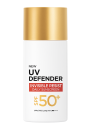
- Sunscreen Bases: You could explore ready-made sunscreen bases designed for specific textures. For a physical, non-silicone option, a base like Pure Physical Sunscreen (SPF50+, PA3+, Water-in-Oil, Non-White) could be a starting point for creating your own formula. If you are open to a very light texture that is easy to wash off, even if it contains some emollients that might feel slightly different from pure water-based, a base like Light Invisible Sunscreen (SPF50+, PA++++, Compare to Loreal UV Defender Invisible Fluid) offers very high protection and a light feel without silicones listed in its primary ingredients.
Remember that for any sunscreen, especially those with higher SPF or water resistance, using an effective cleanser (like your current cleansing water or a cleansing oil/balm) is key to preventing buildup.
Whitening Ingredient Recommendations
To help your face color match your body, you can incorporate ingredients known for their skin brightening properties. While Niacinamide (Safe-B3™) offers some brightening, other ingredients are often more potent for targeting pigmentation:
- Alpha Arbutin (Switzerland): A popular and effective ingredient that works by inhibiting tyrosinase, the enzyme responsible for melanin production. It's considered safe and effective for reducing dark spots and improving overall skin tone.
- Tranexamic Acid (Trans-White™): Helps to reduce pigmentation, particularly effective for melasma and sun-induced dark spots.
- Kojic Acid Dipalmitate: A stable derivative of Kojic Acid, it also inhibits tyrosinase activity. It can be used in combination with other whitening agents like Vitamin C and Alpha Arbutin for enhanced results.
Using products containing one or a combination of these ingredients consistently, along with diligent sun protection, can help achieve a more even and brighter complexion over time.
In summary, while you have a good foundation with your current routine, especially regarding cleansing and hydration, addressing the persistent bumps and considering stronger actives is best done with professional guidance from a dermatologist. For sun protection, explore physical options with improved textures or specific sunscreen bases. For whitening, consider adding Alpha Arbutin, Tranexamic Acid, or Kojic Acid Dipalmitate to your routine, always paired with strict sun avoidance and sunscreen use.
Related Products Mentioned
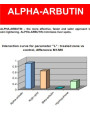
Alpha Arbutin (Switzerland)
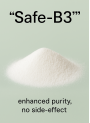
Safe-B3™ (Vitamin B3, Niacinamide)
Kojic Acid Dipalmitate
Zinc Oxide 200nm EasyDisperse™