Skin Care Gel Formulation for Oily, Acne-Prone, and Brightening Skin
Question
Based on the provided formulation for a skin care gel targeting oily skin, acne reduction, and brightening:
- Alpha Arbutin 2%
- Vitamin B3 (Niacinamide) 3%
- N-acetyl Glucosamine 4%
- Licorice Extract 1%
- Azelaic acid (Liquid Azelaic™) 10%
- Allantoin 0.5%
- Purified water 78.5%
- Propolymer 1.5%
- Is the mixing order correct (adding all other ingredients first, then Propolymer last)?
- With 1.5% Propolymer, what will the resulting gel texture be like, and will it be suitable for a pump bottle or require a jar?
Answer
Skin Care Gel Formula for Oily Skin, Acne Reduction, and Brightening
The gel formula you are considering for oily skin, targeting acne reduction and brightening, is a good formula with several interesting ingredients that can work well together. The ingredients and percentages you have chosen are generally appropriate for this purpose.
Ingredient and Percentage Analysis
- Alpha Arbutin (2%): An effective skin brightening agent at the recommended rate, helping to reduce melanin production.
- Vitamin B3 (Niacinamide) (3%): Offers various benefits, including reducing redness/dark spots, increasing moisture, strengthening the skin barrier, reducing oiliness, and helping with acne. 3% is a good and safe concentration to use.
- N-acetyl Glucosamine (4%): Works very well synergistically with Vitamin B3 for skin brightening and reducing dark spots. It also helps stimulate the skin's natural Hyaluronic Acid production, keeping the skin moisturized and potentially reducing wrinkles. 4% is within the recommended range when used with Niacinamide.
- Licorice Extract (1%): Licorice extract is known for its properties in reducing inflammation, soothing irritation, reducing redness from acne, and helping to control oiliness, which is very beneficial for oily and acne-prone skin. 1% is within the recommended range for these properties.
- Azelaic acid (Liquid Azelaic™) (10%): In its water-soluble form (Potassium azeloyl diglycinate), it is highly effective in treating acne, reducing clogged pores, controlling oiliness, and promoting skin brightening and reducing post-acne marks. 10% is the maximum recommended rate for optimal efficacy. However, using Azelaic Acid at a high concentration may cause a slight tingling or irritation sensation initially.
- Allantoin (0.5%): An ingredient that helps reduce irritation, soothe the skin, and support tissue regeneration. 0.5% is the recommended rate due to its solubility limit in water at room temperature.
- Purified water (78.5%): The main base of the gel formula.
- Propolymer (1.5%): A gel-forming agent used at a concentration that will create a relatively thick gel.
All ingredients in this formula are generally water-soluble and compatible within a similar pH range (around pH 5-6.5), which is suitable for this type of formula.
Mixing Order
Your proposed mixing order, adding all other ingredients first and then the Propolymer last, is generally correct.
Recommended Mixing Order:
- Prepare the purified water.
- Gradually add the water-soluble powder ingredients such as Alpha Arbutin, Vitamin B3, N-acetyl Glucosamine, and Allantoin to the water. Stir or blend until fully dissolved and clear.
- Add the water-soluble Licorice Extract and stir until combined.
- Add the Liquid Azelaic™ and stir until combined (ensure the base temperature is below 40°C at this step).
- Adjust the pH of the formula to the desired range (generally around pH 5-6.5 is suitable for all ingredients).
- Slowly sprinkle the Propolymer powder onto the surface of the water base and stir or blend consistently at a low speed until the Propolymer is fully hydrated and the gel texture is formed.
- Preservative (if desired) can be added at this stage.
Gel Texture and Packaging
Propolymer at a concentration of 1.5% will result in a thicker gel compared to a typical gel using around 0.8%. The resulting gel should have a noticeable viscosity. As mentioned in the previous reply, it should still be liquid enough to be dispensed from a pump bottle. However, it will be a more substantial gel texture, not as thin as a serum.
Overall, this formula is promising and worth trying.
Related Products Mentioned
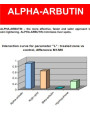
Alpha Arbutin (Switzerland)
Safe-B3™ (Vitamin B3, Niacinamide)
Allantoin
GlucoBright™ (Acetyl Glucosamine)