Skin Concerns: Acne, Irritation, Lips, and Scalp Issues
Question
I have multiple skin concerns including acne (potentially genetic/hormonal), oiliness, facial irritation (redness, itching, dryness/flaking on cheekbones and eyebrows), peeling/itching lips, and bumps/itching on my scalp. I'm trying to find the right routine and products.
Regarding my face:
- I've experienced irritation with BHA, even the timed-release version.
- I'm using an oil control gel with ingredients like Licorice Extract, Safe-B3™ (Vitamin B3), Pure MSM™, and Zinc PCA.
- I use Amino Powder Cleanser and a mix of Coco Wash™ + MakeUp-Wash™.
- I'm looking for advice on gentle cleansing, moisturizing (Ceramide, Panthenol), reintroducing BHA and adjusting the oil control gel formulation, and choosing sunscreen (SPF Protect Ultra™ II vs. Zinc Oxide 200nm EasyDisperse™/Cyclomethicone) considering potential clogging and ingredient compatibility (like Pro Polymer™).
For my lips, they peel and itch, possibly from toothpaste (containing Menthol, SLS, flavorings, or colorings) or lip balm (Vaseline mixed with Jojoba and Coconut oils). I need suggestions for mild alternatives.
For my scalp, I have bumps and itching that might be due to shampoo residue or oil treatments. I'm considering switching to a mild children's shampoo (Kodomo) or using my body wash (Lauryl Glucoside/Glycerin).
I also want to know if BHA can be used for calluses on ankles and what concentration is needed.
Finally, given the potential genetic and hormonal factors, can these chronic skin issues heal completely on their own without ongoing management?
Answer
Addressing Your Skin Concerns: Acne, Oiliness, Irritation, Lips, and Scalp
Thank you for providing such detailed information about your skin journey and current challenges. It's understandable that managing complex skin issues, especially those with a potential genetic link, can be frustrating. Let's break down your concerns and discuss potential adjustments based on your experiences and the advice shared.
Facial Skin: Managing Breakouts, Oiliness, and Irritation
It sounds like your skin is currently experiencing irritation, likely from the combination of active ingredients and possibly environmental factors like cold weather. The redness, itching, and dry/flaky patches on your cheekbones and eyebrows point to a compromised skin barrier.
- Prioritize Skin Barrier Repair: When your skin is irritated, the most important step is to soothe and repair the skin barrier. Temporarily stop using all potentially irritating active ingredients, including BHA and possibly your oil control gel if it feels drying or itchy. Focus on gentle cleansing and moisturizing.
- Gentle Cleansing: As suggested, ensure your evening cleanse effectively removes sunscreen and daily grime without stripping your skin. While Amino Powder Cleanser is gentle, your Coco Wash™ + MakeUp-Wash™ mix might not be sufficient for thorough removal. Consider using Amino Powder Cleanser in the evening or finding a gentle yet effective cleanser. Using Amino Powder Cleanser in the morning is fine.
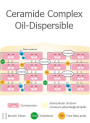
- Moisturizing and Soothing: Continue using a moisturizer that helps rebuild the skin barrier. Products containing Ceramide Complex and Panthenol (Vitamin B5) are excellent for this. While making your own Ceramide serum might be challenging, finding a suitable ready-made moisturizer with these ingredients can be a good alternative during this time. Apply it generously, especially to areas feeling dry or irritated.
- Reintroducing Actives (Gradually): Once your skin has calmed down (no more redness, itching, or flaking), you can consider reintroducing active ingredients very gradually.
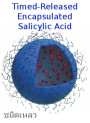
- BHA: Given your history of irritation with BHA, even the timed-release version, it might be too strong for your skin at higher concentrations. If you choose to try again, start with a much lower concentration, perhaps 2% or maximum 4% (equivalent to Encapsulated Salicylic Acid 6.6% or 13.2%), and use it only a few times a week (e.g., 2-3 nights per week). Observe your skin closely for any signs of redness or irritation. If irritation occurs, stop immediately.
- Oil Control Gel: If your current oil control gel feels too drying, consider reducing the concentration of the active ingredients (Licorice Extract, Safe-B3™ (Vitamin B3), Pure MSM™, Zinc PCA) in your formula or using it only once a day or every other day. Zinc PCA and Licorice Extract can help with oiliness and inflammation, but the overall formulation needs to be balanced to avoid excessive dryness.
- Acne Management: With genetic and hormonal factors, achieving completely clear skin all the time can be difficult. The goal is often to manage breakouts and keep them under control. If lower concentrations of BHA are still problematic, you might explore other ingredients for exfoliation or consider using topical treatments prescribed by a dermatologist for occasional breakouts.
- Sunscreen: Regarding SPF Protect Ultra™ II vs. Zinc Oxide 200nm EasyDisperse™/Cyclomethicone, both types of sunscreens can potentially contribute to clogged pores depending on the formulation and individual skin. SPF Protect Ultra™ II/III are chemical sunscreens often formulated for a lighter feel. Zinc Oxide 200nm EasyDisperse™ is a physical sunscreen. As Staff mentioned, Pro Polymer™ is not suitable for use with Zinc Oxide 200nm EasyDisperse™. If you prefer a physical sunscreen, you would need to formulate it with an appropriate emulsifier like Light Cream Maker™ and a suitable oil/emollient (like a light LipidSoft™) to disperse the Zinc Oxide effectively. It's hard to say definitively which is less likely to clog pores for your skin; sometimes trial and error is necessary. Ensure any sunscreen you use is labeled non-comedogenic.
Lip Concerns: Peeling and Itching
Your experience with toothpaste causing peeling and itching strongly suggests a sensitivity to certain ingredients, likely Menthol or other common additives like SLS, flavorings, or colorings. The recommendation to switch to a very mild toothpaste, such as Kodomo children's toothpaste, is a good starting point as these typically contain fewer potential irritants. Continue trying different mild options if needed.
For lip balm, pure Vaseline is often recommended for sensitive lips because it's a simple occlusive that helps trap moisture without many added ingredients. If even Vaseline feels like it's not helping or causing issues, you might be reacting to something else you're using or have a specific sensitivity. Avoid lip balms with fragrances, flavors, or numerous plant extracts initially. Your mixed Vaseline with Jojoba and Coconut oils could potentially be an issue if you have a sensitivity to those specific oils.
Scalp Issues: Bumps and Itching
Scalp irritation, bumps, and itching, especially after using a new shampoo or oil treatment, can be caused by product sensitivity, residue buildup, or even fungal overgrowth (like dandruff). Switching to a very gentle shampoo, such as a mild children's shampoo like Kodomo or your Lauryl Glucoside/Glycerin body wash, is a good step. Ensure you are thoroughly rinsing your scalp to remove all product residue. If the issue persists, you might consider a medicated shampoo for dandruff/fungal issues, but it's best to consult with a pharmacist or doctor first.
BHA for Calluses
Yes, as Staff confirmed, BHA can be effective for softening calluses on areas like your ankles. You will need to use a higher concentration than you would for your face, typically 5% or more. Callus removal products often use BHA concentrations up to 20%.
Will Skin Issues Heal on Their Own?
Given your history and the mention of genetic factors and hormonal influence (related to your menstrual cycle), it is unlikely that your acne and oiliness will completely resolve on their own without consistent management. While skin conditions can fluctuate, particularly with stress or hormonal changes, chronic issues usually require ongoing care. The goal is to find a sustainable routine that keeps your skin healthy and minimizes breakouts and irritation, rather than expecting them to disappear permanently without intervention.
Finding the right balance for your sensitive, oily, acne-prone skin with genetic factors is a process. Be patient with yourself and your skin. Focus on gentle care, barrier support, and gradually reintroducing active ingredients at lower concentrations while observing how your skin responds.
Related Products Mentioned
Safe-B3™ (Vitamin B3, Niacinamide)
GlucoBright™ (Acetyl Glucosamine)
Light Cream Maker™

Glycerin (USP/Food Grade)

Lauryl Glucoside
Coco Wash™ (PEG-7 Glyceryl Cocoate)
Pure MSM™ (Methylsulfonylmethane)

Pro Polymer™ (Gel Maker)

Zinc Oxide 200nm EasyDisperse™
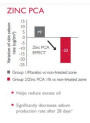
Zinc PCA

Amino Powder Cleanser
White Egg Enzyme (Acnezyme™)