Skin Cream Formulation Issues: Thickness, Pilling, and Spreading Difficulty
Question
I am developing a skin cream formula for whitening and moisturizing. I have the following questions regarding the formulation and issues encountered:
- Can I add Grape Seed Oil to the oil phase to enhance moisture?
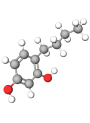
- Can Activated Resorcinol (4-Butylresorcinol) be dissolved in a mixture of Grape Seed Oil and LipidSoft in the oil phase before combining with the water phase?
- My cream formulation, after adding 5% Titanium Dioxide and 1% Centella Asiatica Extract, is thick, difficult to spread, and pills. What could be the cause?
- Would adding Aloe Vera (e.g., 3%) to the water phase help increase moisture?
Answer
Subject: Re: Skin Cream Formula for Whitening and Moisturizing
Thank you for your questions regarding your skin cream formulation. Based on the conversation and general cosmetic formulation principles:
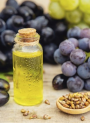
- Adding Grape Seed Oil for Moisture: Yes, Grape Seed Oil can be added to the oil phase of your formula to enhance moisturizing properties, as confirmed by the staff. The optimal percentage would need to be determined through testing to achieve the desired texture and stability, but it would typically be added as part of the total oil phase, adjusting the water percentage accordingly.
- Dissolving Activated Resorcinol: Yes, you can dissolve Activated Resorcinol (4-Butylresorcinol) in a mixture of Grape Seed Oil and LipidSoft in the oil phase before combining with the water phase. This was also confirmed by the staff.
- Thickness, Pilling, and Difficulty Spreading: The most likely cause for the cream being thick, difficult to spread, and pilling after adding 5% Titanium Dioxide and 1% Centella Asiatica Extract is the 5% Titanium Dioxide. Titanium Dioxide is a solid particle used for UV protection or opacifying, and at a concentration of 5%, it significantly increases the solid content and can lead to a heavy, pasty texture that is hard to spread and prone to pilling, especially if the emulsifier system (Light Cream Maker at 1%) is not sufficient to stabilize such a high load of solids and oils. Centella Asiatica Extract at 1% is less likely to be the primary cause of these specific issues.
- Adding Aloe Vera for Moisture: Yes, adding Aloe Vera (e.g., 3%) to the water phase is a good way to increase the moisturizing effect as it acts as a humectant, drawing moisture to the skin. 3% is a reasonable starting point.
Important Note: As the staff mentioned they could not provide specific testing or recommendations without purchase history for some ingredients, these suggestions are based on general knowledge. Achieving the desired texture and stability often requires careful balancing of all ingredients and testing different percentages. Reducing the percentage of Titanium Dioxide or using a different grade might help with the texture and pilling issues if UV protection is not the primary goal. If UV protection is needed, a more robust emulsifier system or a different formulation approach might be necessary.
Related Products Mentioned
Safe-B3™ (Vitamin B3, Niacinamide)
GlucoBright™ (Acetyl Glucosamine)
Light Cream Maker™
Disodium EDTA