Skin Irritation from Homemade Serum Formulation
Question
I have made a serum formulation and have been using it for about a week, applying it morning and evening. The pH was adjusted to 5.5-6.0.
However, I am experiencing a hot flushing sensation and stinging/itching. The hot flushing likely comes from the B3, perhaps too much. The stinging/itching seems to be caused by the DMAE (powder) and L-Carnitine (powder), which are highly acidic, although I tried adjusting the pH with sodium bicarbonate.
I need help resolving this issue. How can I eliminate the local stinging and irritation, as it is very irritating?
My formulation contains the following ingredients:
- Water
- NAG (2%)
- B3 (4%)
- B5 (5%)
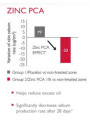
- Zinc PCA (1%)
- DMAE (powder) (4%)
- L-Carnitine (powder) (3%)
- Licorice (0.5%)
- 2NA EDTA (0.20%)
- Tween 20 (0.1%)
- Fragrance (0.1%)
- Phenox (Preservative) (1%)
Answer
Addressing Skin Irritation from Your Serum Formulation
It sounds like you're experiencing significant irritation from your homemade serum, which is a common challenge when working with high concentrations of active ingredients. Based on the ingredients and your symptoms, the burning and stinging are most likely caused by the DMAE and L-Carnitine, especially since you used powder forms which can be quite potent. While you adjusted the pH, the concentration might still be too high for your skin.
The hot flashes you mentioned could be related to the Vitamin B3 (Niacinamide) at 4%. While 4% is generally considered safe, some individuals, or certain grades of Niacinamide, can cause flushing at concentrations above 2-3%. Using a high-purity grade like Safe-B3™ or Extreme-B3™ can help minimize this effect.
Here’s how you can address the irritation:
- Reduce Concentration of Irritants: The most crucial step is to significantly reduce the concentration of DMAE and L-Carnitine. Try reducing both to 1% or even lower in a new test batch. You can gradually increase the concentration in future formulations if your skin tolerates it.
- Consider the Form of Ingredients: Powder forms of ingredients can sometimes be more challenging to work with and ensure even dispersion compared to liquid forms. If possible, consider using liquid forms of DMAE or L-Carnitine designed for cosmetic use.
- Incorporate Soothing Ingredients: Add ingredients known for their soothing and anti-inflammatory properties. Examples include Aloe Vera extract, Allantoin, or Bisabolol. Licorice extract is already in your formula and is a good addition for soothing.
- Check pH Carefully: While you adjusted the pH, ensure your measurement is accurate and the pH remains stable over time. A pH between 5.5-6.0 is generally suitable for skin, but some ingredients have optimal pH ranges for stability and efficacy.
- Patch Test: Always perform a patch test on a small, inconspicuous area of skin (like behind the ear or on the forearm) with any new or adjusted formulation before applying it to your entire face.
Stop using the current serum immediately to allow your skin to recover. When you create a new batch, start with lower concentrations of the potentially irritating actives and consider adding soothing agents. Listen to your skin's response and adjust accordingly.
Relevant ingredients in your formula include Niacinamide (Vitamin B3), DMAE, L-Carnitine, Zinc PCA, Licorice Extract, Polysorbate 20, Disodium EDTA, and Phenoxyethanol.
Related Products Mentioned
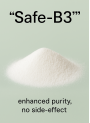
Safe-B3™ (Vitamin B3, Niacinamide)
Phenoxyethanol (Extra Pure)
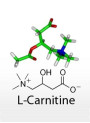
L-Carnitine (Carnitine)
Polysorbate 20 (Tween 20)
Disodium EDTA
Zinc PCA