Skin Irritation from Serum Formulation
Asked by: ohm556
On: October 26, 2014
Product Type:
Cosmetics
Answered
Question
What might be causing the rash and itching experienced after using a serum formulation with a pH of 5.3, containing the following ingredients:
- Symwhite377 (0.3%)
- Hentowhite (2%)
- Vitamin B3 (Niacinamide) (3%)
- VC-PMG (1%)
- Selastin
- AH care
- Pomegranate Extract
- Aqua Licorice
- Allantoin
- Bisabolol
- Aloe Vera
- Cucumber Extract
- Bio-ceramidyl gel
- Vitamin E
Could the combination or concentration of these ingredients, or other factors like ingredient purity or interactions, be the cause?
Answer
Potential Causes of Skin Irritation in Your Serum Formulation
Based on the ingredients you've provided and the discussion, here are the potential reasons for the rash and itching you and your girlfriend are experiencing:
- Resorcinol Derivatives (Symwhite377 and Hentowhite): Your formula contains Symwhite377 at 0.3% and Hentowhite at 2%. While the individual usage rates are generally within recommended ranges (Symwhite 377: 0.1-1.0%, Hentowhite: 1-3%), the combination of these two resorcinol derivatives might be too high for some individuals, especially those with sensitive or thin skin. Resorcinol derivatives can potentially cause irritation, redness, or a burning sensation at higher concentrations. Even though Hentowhite is described as having a "non-irritating effect," individual skin sensitivity varies greatly.
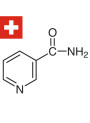
- Vitamin B3 (Niacinamide): You are using Vitamin B3 at 3%. While Niacinamide is generally well-tolerated and beneficial for the skin barrier, it can cause flushing, redness, or itching in some people. A key factor is the purity of the Niacinamide used. Lower purity grades may contain higher levels of Niacin, which is known to be irritating. Using a higher purity grade, like Safe-B3™ or Extreme-B3™, can significantly reduce the risk of this type of irritation, even at higher concentrations.
- VC-PMG (Vitamin C Derivative): At 1%, VC-PMG (Magnesium Ascorbyl Phosphate) is less likely to cause irritation compared to L-Ascorbic Acid. However, for very sensitive skin, any form of Vitamin C can potentially cause a reaction.
- Other Ingredients and Formulation: While ingredients like Allantoin, Bisabolol, Aloe Vera, Cucumber Extract, Bio-ceramidyl gel, and Vitamin E are generally soothing or less likely to irritate, the specific type, quality, and concentration of other ingredients you mentioned (Selastin, AH care, Pomegranate Extract, Aqua Licorice) could also contribute. Furthermore, the overall base formulation (emulsifiers, preservatives, solvents, etc., which were not fully listed) can also be a source of irritation or affect how the active ingredients are delivered and tolerated.
- Ingredient Interactions: Sometimes, the combination of multiple active ingredients, even at seemingly safe individual concentrations, can lead to synergistic irritation.
The pH of 5.3 is generally suitable for Niacinamide and close to the optimal range for Symwhite377, so the pH itself is less likely to be the primary cause of the irritation.
To pinpoint the exact cause, it is highly recommended to:
- Review the purity specification of your Vitamin B3 (Niacinamide). Consider switching to a higher purity grade if you are not already using one.
- Consider reducing the concentration of either Symwhite377 or Hentowhite, or both, to see if the irritation subsides.
- Contact the suppliers of all your ingredients, especially for Selastin, AH care, Pomegranate Extract, and Aqua Licorice, to get detailed technical data sheets, recommended usage rates for sensitive skin, and information on potential side effects or known incompatibilities.
- Test each ingredient individually in a simple base formulation on a small area of skin to try and isolate the culprit.
Related Products Mentioned
Safe-B3™ (Vitamin B3, Niacinamide)
Cosmetics
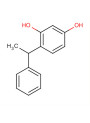
Hexylresorcinol AF (e.q. Hentowhite)
Cosmetics