Skin Irritation from Whitening Formulation with High Activated Resorcinol Concentration
Question
I made a whitening formulation with the following ingredients and concentrations:
- NAG (Acetyl Glucosamine) 4%
- Safe-B3™ (Vitamin B3, Niacinamide) 5%
- Activated Resorcinol™ (4-Butyl Resorcinol) 5%
When I used it, I experienced a burning sensation and irritation. Can I add an anti-irritant ingredient to this formula, or what might be causing this issue?
Answer
It is understandable that you experienced irritation with your test formulation. While it is possible to add anti-irritant ingredients, as the staff suggested, it is often more effective to identify and adjust the ingredient causing the irritation.
Based on the ingredients and concentrations you used:
- NAG (Acetyl Glucosamine) at 4% is within the typical recommended usage rate (1-8%, with 4% often recommended in combination with Niacinamide). Acetyl Glucosamine is generally considered a gentle ingredient.
- Safe-B3™ (Vitamin B3, Niacinamide) at 5% is also within the recommended range for this specific high-purity type (1-10%, with 5% recommended). The description for Safe-B3™ indicates it is formulated to minimize flushing or redness compared to standard Niacinamide, even at higher concentrations. However, individual skin sensitivity can still lead to reactions.
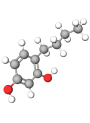
- Activated Resorcinol™ (4-Butyl Resorcinol) at 5% is significantly higher than the recommended maximum usage rate for leave-on products, which is typically not more than 1%. Activated Resorcinol is a potent whitening agent, and using it at a high concentration like 5% is very likely the primary cause of the burning sensation and irritation you experienced.
As the staff correctly pointed out, Activated Resorcinol is the most probable culprit due to its high concentration in your formula relative to its recommended usage. While less likely, it is still possible that your skin reacted to the concentration of Safe-B3™ or even the combination of ingredients.
Adding an anti-irritant might help mask the symptoms, but it doesn't address the root cause, which is likely the high concentration of an irritating active ingredient. Reducing the concentration of Activated Resorcinol to below 1% (or even lower to start) or replacing it with a different, potentially less irritating whitening ingredient would be a better approach to prevent future irritation.
Following the staff's advice to test each ingredient separately in a simple base formula could also help you pinpoint exactly which ingredient is causing the reaction.
Related Products Mentioned

Safe-B3™ (Vitamin B3, Niacinamide)