Skin Peeling (AHA) and Post-Peeling Nourishing/Whitening Formula for Combination Skin
Question
I am a beginner and would like advice on two skincare formulas for combination facial skin.
- For skin peeling, I plan to use a formula with
Lactic Acid (AHA) 30% + Glycolic Acid 20%and leave it on for 5 minutes before washing off. Is this suitable? - After peeling, I plan to use the following nourishing/whitening formula:
Double Hyaluronic Gel 78.3%L-Ascorbic Acid 15%Glutathione 1.5%Disodium EDTA 0.2%Alpha Arbutin 2%Tranexamic Acid 3%
Is this formula suitable for use after peeling? I am a beginner and would appreciate guidance. Thank you.
Answer
Guidance on Your Skincare Formulas
Based on your questions and the advice provided, here is a detailed explanation for a beginner:
1. Skin Peeling Formula (Lactic Acid 30% + Glycolic Acid 20%)
Combining high concentrations of Lactic Acid and Glycolic Acid, especially as a beginner, is generally not recommended due to the high risk of irritation and damage to the skin barrier.
- Concentration and Combination: Using Lactic Acid at 30% and Glycolic Acid at 20% simultaneously is a very strong treatment. It is advised to use only one type of AHA at a time, particularly when starting out.
- Starting Low: For beginners, it is crucial to start with much lower concentrations, such as 5-10% AHA, and gradually increase the concentration as your skin builds tolerance. Jumping directly to 20-30% can overwhelm the skin.
- Contact Time: If using high concentrations (which is typically done under professional supervision), the contact time should be very short, usually only 1-3 minutes, not 5 minutes. Always follow specific product instructions carefully.
- Skin Type and Concern: High concentrations (20-30%) are usually reserved for specific skin issues like significant signs of aging or stubborn hyperpigmentation, and often performed in a clinical setting. For general exfoliation or improving skin texture, lower concentrations are sufficient and safer.
- Sun Protection: Regardless of the AHA concentration used, daily and diligent sun protection with a high SPF sunscreen is absolutely essential. AHA exfoliation makes your skin significantly more sensitive to UV damage.
Consider using individual ingredients like Lactic Acid (available in various concentrations, including 90% liquid which would need to be diluted) or Glycolic Acid (available as 100% powder or a non-stinging solution like Ampho-Glycolic™). Always dilute high-concentration raw materials appropriately and check the recommended usage rates and pH requirements for cosmetic applications (typically pH 3.5-4.0 for consumer products).
2. Post-Peeling Nourishing/Whitening Formula
Your proposed post-peeling formula containing Glutathione, L-Ascorbic Acid (Vitamin C), Alpha Arbutin, Tranexamic Acid, Double Hyaluronic Gel, and Disodium EDTA includes effective ingredients for brightening and hydration.
- Ingredient Compatibility: The combination of Glutathione, L-Ascorbic Acid, Alpha Arbutin, and Tranexamic Acid is commonly used for skin brightening and addressing hyperpigmentation. Hyaluronic Acid (available in various molecular weights like Standard Molecule and Small Molecule, or as a ready-to-use Hyaluronic Acid Gel Base) is excellent for hydration, which is vital after exfoliation. Disodium EDTA acts as a chelating agent to improve formula stability.
- pH Level: As noted, a formula with 15% L-Ascorbic Acid will likely have a low pH (typically between 2.0-3.5 for optimal L-Ascorbic Acid efficacy, though cosmetic regulations often require pH 3.5 or higher for leave-on products). Applying an acidic formula to skin that has just undergone a strong peel can cause significant irritation, redness, and discomfort.
- Skin Tolerance: The key is your skin's tolerance. If you perform a strong peel, your skin barrier will be compromised and more sensitive. Applying another acidic product immediately might be too aggressive.
- Observation is Key: You must pay close attention to how your skin reacts. If you experience stinging, burning, excessive redness, or prolonged irritation after applying the nourishing formula, it indicates that your skin is not ready for it, or the peeling treatment was too harsh.
- Balancing: If you choose to use a strong peel (again, start low and increase gradually), allow your skin time to recover before introducing potent actives like high-concentration Vitamin C or other acids. Focus on hydration and barrier repair initially.
Remember to always perform patch tests when trying new formulations or concentrations.
Related Products Mentioned
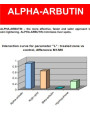
Alpha Arbutin (Switzerland)
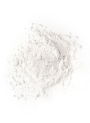
Vitamin C (L-ascorbic acid) (Ultra-Fine)
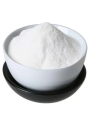
Vitamin C (L-ascorbic acid) (Fine)
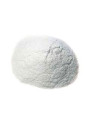
Disodium EDTA
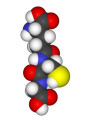
Glutathione (L-Glutathione) (Extrasol)
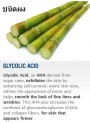
Glycopure™ (Glycolic Acid (AHA) Powder)
Vitamin C (L-ascorbic acid) (Standard)
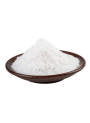
Tranexamic Acid (Trans-White™)
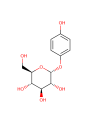
Alpha Arbutin (China, Crystal Form)
Lactic Acid (AHA) 90%

Hyaluronic Acid Gel Base