Skin Reaction to Stabilized Vitamin C and Recovery
Question
I experienced a severe allergic reaction to a Stabilized Vitamin C product, resulting in symptoms including redness, dryness, roughness, stinging, and the appearance of deeper wrinkles. My skin is now very sensitive; even my usual SKII cream causes stinging. I am currently using a mixture containing Ceramide, Aloe Vera, and Hyaluronic Acid to help my skin recover. Is this approach correct, and what further steps or ingredients should I focus on to heal my skin barrier, reduce irritation, address the perceived wrinkles, and prevent post-inflammatory hyperpigmentation?
Answer
Skin Recovery After Vitamin C Reaction
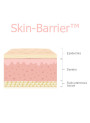
It sounds like you've had a significant reaction to the Stabilized Vitamin C product, which is causing redness, dryness, roughness, stinging, and the appearance of deeper wrinkles. This is likely due to irritation and a damaged skin barrier. The stinging you feel from your usual SKII cream also indicates that your skin is currently very sensitive and its protective barrier is compromised.
Your current approach of using a mixture with Ceramide, Aloe Vera, and Hyaluronic Acid is excellent for helping your skin recover. These ingredients are known for their ability to soothe, hydrate, and support the skin barrier.
How to Help Your Skin Heal
- Continue Gentle Care: Keep your routine very simple. Use only gentle cleansers and avoid anything that causes stinging, redness, or discomfort. This includes stopping the SKII cream for now if it stings.
- Focus on Soothing and Barrier Repair: Ingredients that help calm inflammation and rebuild the skin barrier are key. Continue using your Ceramide, Aloe Vera, and Hyaluronic Acid mix. Other beneficial ingredients to look for in products or consider for formulating include:
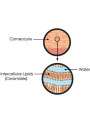
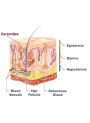
- Ceramides: Essential lipids that are a major component of the skin barrier. Replenishing them helps repair the barrier, reduce dryness, and protect against irritants. Look for products containing various Ceramides like Ceramide NP or Ceramide complexes.
- Panthenol (Vitamin B5): Known for its soothing, hydrating, and wound-healing properties. It helps reduce redness and irritation and improves skin hydration.
- Niacinamide (Vitamin B3): Can help improve skin barrier function, reduce redness, and has anti-inflammatory properties. For sensitive skin, consider high-purity forms like Safe-B3 or Extreme-B3 which are less likely to cause flushing.
- Centella Asiatica (Cica): Contains compounds like Madecassoside that are excellent for soothing, reducing inflammation, and supporting skin repair.
- Bisabolol: A component of chamomile known for its strong anti-inflammatory and soothing effects.
- Hydration is Crucial: The appearance of deeper wrinkles is often a sign of severe dehydration when the skin barrier is damaged. Focusing on hydration with ingredients like Hyaluronic Acid, Glycerin, and emollients will help plump the skin and reduce the appearance of these temporary wrinkles as your skin recovers.
- Be Patient: Skin barrier repair takes time. It can take several weeks to months for your skin to fully recover from a severe reaction. Continue your gentle, soothing routine consistently.
- Address Darkening: The darkening you see is likely Post-Inflammatory Hyperpigmentation (PIH) caused by the inflammation. The most important step to address this now is to heal the skin barrier and reduce inflammation. Once your skin is completely healed and no longer sensitive, you can consider gentle brightening ingredients, but do not introduce anything new or potentially irritating while your skin is recovering.
It's understandable to be concerned, but you are doing the right thing by focusing on gentle, soothing care and barrier repair. Your homemade mixture is a good start. Look for other products or raw materials containing the ingredients mentioned above to support your skin's healing process.
Related Products Mentioned
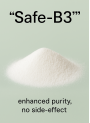
Safe-B3™ (Vitamin B3, Niacinamide)

Natural Bisabolol (Brazil Chamomile)