Skin Spray for Acne and Acne Marks: Essential Oils vs. Water-Soluble Ingredients
Question
Skin Spray for Acne and Acne Marks
I'm interested in making a skin spray that nourishes the skin and treats acne and red/dark marks.
- Can essential oils be included in this spray?
- If not, what alternative ingredients can be used?
- How complicated is the process of making this spray?
Answer
Skin Nourishing Spray for Acne and Acne Marks
Hello! Regarding making a spray focused on skin nourishment, acne treatment, and reducing red/dark spots, it is certainly possible. However, using essential oils directly in a water-based formula is not recommended because essential oils do not dissolve in plain water. This causes separation and can lead to skin irritation if applied directly without a proper solubilizer.
If you wish to make a spray that is easy to use and effective for acne and acne marks, we recommend choosing water-soluble ingredients. There are several interesting options with properties that can help with your concerns:
Recommended Ingredients for Acne and Acne Mark Spray
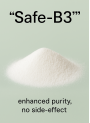
- Niacinamide (Vitamin B3): A versatile ingredient beneficial for acne-prone skin. It helps reduce acne inflammation, lessen red and dark marks from acne, strengthen the skin barrier, reduce facial oiliness, and add moisture. It can be used at various concentrations, especially high-purity grades like Safe-B3™ or Extreme-B3™, which help minimize flushing even at higher usage rates.
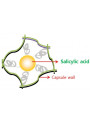
- Salicylic Acid (BHA): Known for its exfoliating properties, it helps shed dead skin cells and dissolve blockages in pores, a primary cause of acne. This leads to cleaner pores and reduced formation of clogged and inflamed acne. For a spray, it's best to use water-soluble types of Salicylic Acid, such as Complex Salicylic Acid (Powder, Water-Soluble) or ActiveRelease™ Salicylic Acid (Powder, Water-Soluble), to ensure easy and clear mixing with a water base.
- Centella Asiatica Extract: Also known as CICA, it is excellent for soothing skin, reducing inflammation and redness from acne, promoting skin healing, and stimulating collagen production. These properties are beneficial for reducing scars and redness after acne has cleared. A water-soluble type like Centella Asiatica Extract (Madecassoside 90%) is suitable for sprays.
- Hyaluronic Acid: While not directly treating acne, Hyaluronic Acid is crucial for providing hydration to the skin, preventing dryness and tightness, which can be an issue for unbalanced acne-prone skin. Adequate hydration helps strengthen the skin and can reduce excess oil production. You can choose different molecular weights of Hyaluronic Acid, such as Hyaluronic Acid (Small Molecule) for deeper penetration or Hyaluronic Acid (Standard Molecule), Hyaluronic Acid (Large Molecule) for surface hydration and film formation.
How to Make the Spray
Making a spray using these water-soluble ingredients is generally not complicated. The main process involves dissolving the powder ingredients in water (such as distilled water or hydrosol) according to the recommended usage rate for each substance. Then, combine all dissolved ingredients, adjust the pH to be suitable for the active ingredients (generally, Niacinamide and Hyaluronic Acid work well over a broad pH range, but Salicylic Acid often requires a slightly lower pH for optimal exfoliation, though this also increases the risk of irritation), and mix thoroughly.
Crucially important for water-based formulas is the addition of a preservative. This is necessary in an appropriate amount to prevent the growth of bacteria, mold, and yeast, which can easily occur in products containing water. Without a preservative, the product may spoil quickly and become unsafe for skin use.
In summary, making a skin nourishing and acne treatment spray with these water-soluble ingredients is less complex than oil-based formulas, but it still requires careful attention to dissolving, pH adjustment, and especially the use of a preservative to ensure the product is safe and effective.
Related Products Mentioned