Skin Whitening Formulation: Multi-ingredient Approach and Compatibility
Question
Based on a systematic approach to skin whitening by targeting different steps of melanin production, I am interested in combining multiple effective ingredients. What are the challenges regarding ingredient compatibility and optimal pH when formulating a whitening product, especially a gel? For example, how can ingredients like Alpha Arbutin (stable at pH 3.5-6.5) and Sodium Ascorbyl Phosphate (Vitamin C SAP, stable at pH 7-9) be combined? What about oil-soluble ingredients like Kojic Acid Dipalmitate and MSH White™ in a gel base?
Answer
Cream Evaporation Issue
Regarding the decrease in your cream's volume, based on the previous forum discussion, the likely cause is not evaporation of the ingredients themselves. It is more probable that air is incorporated into the cream during the mixing process, making the volume appear larger initially. As this trapped air escapes over time, the cream settles, giving the impression that it has evaporated.
The suggested solution from the forum is to try mixing your cream in a lidded container, filling it about 80% full, and then shaking it to mix instead of stirring openly. This method can help reduce the amount of air that gets trapped in the cream.
Systematic Skin Whitening Approach
Your interest in a systematic approach to skin whitening by targeting different steps of melanin production is a good strategy. Combining multiple effective ingredients is a common practice in cosmetic formulation. However, it's important to remember that sunscreen should typically be a separate product.
Mixing multiple active ingredients into a single product requires careful attention to compatibility, especially regarding the optimal pH range for each ingredient's stability and effectiveness.
Based on the mechanisms you mentioned and available product information, here are ingredients that can target different stages of the whitening process:
Inhibit/Control Tyrosinase Enzyme:
- Alpha Arbutin
- Licorice Extract (certain types)
- Lemon Peel Bioferment (Lemon Skin™)
- Sodium Ascorbyl Phosphate (Vitamin C SAP) - Note: SAP requires a high pH (7-9), which conflicts with Alpha Arbutin and some Licorice extracts.
Reduce Melanin Creation:
- MelaninTerminate™
- Kojic Acid Dipalmitate - Note: Oil-soluble, requires heat to dissolve.
Inhibit Melanin Transfer:
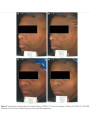
- Pep-Even™ (Tetrapeptide-30)
- MSH White™ (Undecylenoyl phenylalanine) - Note: Oil-soluble, requires heat to dissolve.
Compatibility and pH Considerations:
As you noted and was discussed in the forum, combining ingredients with different optimal pH ranges can be challenging. For example:
- Alpha Arbutin is most stable and effective between pH 3.5-6.5.
- Sodium Ascorbyl Phosphate (SAP) is stable at pH 7-9.
Attempting to combine SAP with Alpha Arbutin in the same water-based formula at a single pH that is optimal for both is difficult. If the pH is raised for SAP, Alpha Arbutin will become unstable and may break down.
Ingredients like Kojic Acid Dipalmitate and MSH White™ are oil-soluble and would need to be incorporated into the oil phase of an emulsion or properly solubilized in a gel base, which adds complexity to the formulation.
Suggested Approach for a Gel:
To create a systematic whitening gel, it might be best to select water-soluble ingredients that are compatible within a similar pH range, ideally between 3.5-6.5 to accommodate Alpha Arbutin if you choose to use it. A combination could include ingredients like:
- Alpha Arbutin
- Lemon Peel Bioferment (Lemon Skin™)
- MelaninTerminate™
- Pep-Even™ (Tetrapeptide-30)
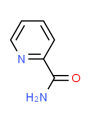
- Vitamin B3 (Niacinamide) + N-Acetyl Glucosamine (NAG)
You would need to check the specific product details for each ingredient and adjust the final pH of your gel to be within the optimal range for stability and effectiveness of the chosen actives, likely using an acid like Lactic Acid if needed.
Using multiple ingredients that target different pathways is generally more effective. However, always prioritize ingredient compatibility and stability for the best results.
Related Products Mentioned
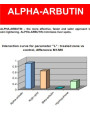
Alpha Arbutin (Switzerland)
Light Cream Maker™
Kojic Acid Dipalmitate
Lemon Peel Bioferment (Lemon Skin™)
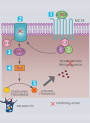
MSH White™ (Undecylenoyl phenylalanine)
MelaninTerminate™
Pep-Even™ (Tetrapeptide-30)