Skincare Advice for Body Hyperpigmentation, Scars, and Facial Skin Concerns
Question
Hello,
I have concerns about my body and facial skin:
Body Concerns:
- I have had dark spots from sun exposure and uneven skin tone on my body for 4 years.
- There are noticeable dark circles on my upper arms.
- I have many scars on my legs due to poor lymphatic circulation since childhood.
- I have tried market creams and scrubbing for the past 2 months, and while other areas have brightened slightly, the dark circles and scars have not improved.
I want the noticeable dark spots and scars to disappear and my skin to be smooth and even. What ingredients should I look for in a body cream?
Facial Concerns:
- My face feels normal (not oily, not dry) when not exposed to air conditioning, but becomes very dry when in AC.
- Previously, I had frequent acne breakouts even though my face wasn't oily. It was very difficult for the acne to heal, possibly related to poor lymphatic circulation (น้ำเหลืองเสีย).
- Currently, acne breakouts are rare (1-2 spots during menstruation), but I have persistent acne scars (รอยสิว) that haven't disappeared.
- I want my face to be smoother, free of scars, healthy, and look hydrated/dewy (ฉ่ำน้ำ).
- I am interested in buying ingredients to formulate my own products. What types of ingredients should I choose to meet these needs?
- Based on reading beginner guides, should I make separate creams for acne scars and hydration?
General Question:
- This is slightly off-topic from cosmetics but related to beauty: I've observed that my face noticeably darkens during menstruation and then brightens again after my period ends. Does this happen to everyone? What causes it, and can it be treated?
Thank you in advance for your answer.
Answer
Skincare Advice for Body Hyperpigmentation, Scars, and Facial Skin Concerns
Hello! I understand your concerns about body hyperpigmentation, scars, and facial dryness with acne scars. It can be frustrating when products don't yield satisfactory results. I have gathered information on the ingredients you are interested in to provide guidance on how to care for these issues and select ingredients.
Body Hyperpigmentation and Scars
Dark spots from sun exposure and hyperpigmentation from scars require time and consistent care. Beneficial ingredients include those that help reduce pigment production and those that promote skin exfoliation.
Pigment Inhibitors:
- Alpha Arbutin: This ingredient helps inhibit the enzyme Tyrosinase, which is crucial for melanin production. It helps fade dark spots and hyperpigmentation, leading to a more even skin tone. It is considered a safe and effective alternative.
- Niacinamide (Vitamin B3): Helps reduce the transfer of pigment to the upper layers of the skin, effectively fading dark marks. It also strengthens the skin barrier, improving skin resilience, and has anti-inflammatory properties which can help with post-inflammatory hyperpigmentation.
- Vitamin C: Available in various forms, including L-ascorbic acid which is a highly effective form for brightening skin, reducing dark spots, and stimulating collagen. More stable derivatives like Ethyl Ascorbic Acid and Sodium Ascorbyl Phosphate (SAP) are water-soluble and also help reduce hyperpigmentation. Vitamin C is also a good antioxidant.
Exfoliants:
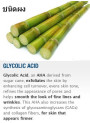
- Glycolic Acid (AHA): An AHA with a small molecular size, allowing it to penetrate the skin well. It helps accelerate the shedding of old, dull skin cells, revealing brighter and smoother skin underneath. Using Glycolic Acid in an appropriate concentration will help fade dark spots and scars.
Body Care Recommendations:
Focus on consistent use of products containing these ingredients. Most importantly, sun protection is crucial. Applying sunscreen to exposed body areas regularly will prevent existing dark spots from worsening and new ones from forming. Gentle exfoliation 1-2 times a week can also support cell turnover.
Facial Dryness, Acne Scars, and Hydration
Facial dryness in air conditioning and the presence of acne scars indicate a lack of hydration and possibly inflammation that led to post-inflammatory hyperpigmentation. Ingredients that focus on hydration, strengthening the skin barrier, and reducing dark spots are beneficial.
For Hydrated/Dewy Skin:
- Hyaluronic Acid: An effective humectant that draws water into the skin, making it appear plump, hydrated, and smooth. It comes in various molecular sizes, such as Standard Molecule, or more complex forms like 4D Hyaluronic Acid that provide hydration at multiple skin depths. Maintaining skin hydration strengthens the skin barrier, reduces dryness, and improves overall skin health.
- Niacinamide (Vitamin B3): In addition to its benefits for dark spots, it stimulates the production of Ceramides, key components of the skin barrier. This strengthens the skin, reduces water loss, and helps the skin retain moisture better.
For Acne Scars (Hyperpigmentation):
- Niacinamide (Vitamin B3): Excellent for reducing dark marks left by acne.
- Vitamin C: Various forms like L-ascorbic acid, Ethyl Ascorbic Acid, and Sodium Ascorbyl Phosphate (SAP) all contribute to fading dark spots and brightening the complexion.
- Alpha Arbutin: Helps reduce melanin production, leading to the fading of dark marks.
- Glycolic Acid (AHA): Helps exfoliate the upper skin layers containing accumulated dark pigment, making the marks less visible and the skin smoother.
Formulating Your Own Products:
For beginners interested in formulating their own products to address these concerns, you can choose key ingredients mentioned above.
- Focus on Hydration: You could start with easily water-soluble Hyaluronic Acid types like 4D Hyaluronic Acid or Hyaluronic Acid (Standard Molecule) and incorporate them into a suitable serum or cream base.
- Focus on Acne Scars (Hyperpigmentation): Niacinamide is a versatile option because it helps with multiple concerns and is generally easy to formulate with. Alternatively, you can use stable Vitamin C derivatives like Ethyl Ascorbic Acid or Sodium Ascorbyl Phosphate (SAP). It's important to research the recommended usage rates and mixing instructions for each ingredient and consider the appropriate pH for stability and efficacy (e.g., L-ascorbic acid requires a low pH, SAP requires a slightly alkaline pH, Niacinamide is more versatile but avoid combining with certain Vitamin C forms at incompatible pH levels).
Should You Make Separate Creams for Acne Scars and Hydration?
It's not always necessary to make separate products. Many ingredients, such as Niacinamide and Vitamin C, offer benefits for both acne scars (brightening) and hydration (barrier support).
- For Targeted Results: Using separate products might allow for higher concentrations of active ingredients tailored to each specific concern. For example, a concentrated Hyaluronic Acid serum for hydration followed by a cream with Niacinamide or Vitamin C for scars.
- For Convenience: You can choose products that contain ingredients addressing both concerns, such as a cream formulated with both Niacinamide and Hyaluronic Acid.
For beginners, formulating products that focus on 1-2 key ingredients in a suitable base is often easier to manage.
Facial Darkening During Menstruation
Your observation that your face appears noticeably darker during menstruation is something many women experience. The primary reason is the fluctuation in hormone levels throughout the menstrual cycle, particularly estrogen and progesterone. These hormonal changes can influence melanin production in the skin and may also affect blood circulation, leading to a temporary dulling of the complexion.
Generally, this is a normal physiological occurrence and is not harmful. As hormone levels return to normal after menstruation ends, the skin typically regains its usual brightness. Specific treatment for this phenomenon is not usually necessary. Consistent good skincare, focusing on hydration and sun protection, will help maintain healthy and radiant skin throughout your cycle.
I hope this information is helpful for your skin care journey. Seeing results takes time and patience.
Related Products Mentioned
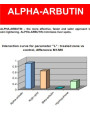
Alpha Arbutin (Switzerland)
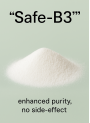
Safe-B3™ (Vitamin B3, Niacinamide)
Vitamin C (L-ascorbic acid) (Ultra-Fine)
Glycopure™ (Glycolic Acid (AHA) Powder)