Skincare Advice for Melasma, Dryness, Thin Skin, and Wrinkles
Question
Hello RD, I need your help. I am a new member. I have looked at the ready-made formulas but they don't quite meet my needs. Commercial creams haven't helped much, so I want to find targeted, high-quality ingredients. I would like to consult with RD. Currently, I have melasma on my cheeks. I have dry and thin skin, which makes me prone to wrinkles easily. I am 41 years old. I currently only use sunscreen on days when I have errands outside the house. When I stay home, I only apply a nourishing serum. Thank you in advance for your assistance.
Answer
Skincare Formulation Advice for Melasma, Dryness, Thin Skin, and Wrinkles
Welcome to RD! It's understandable to seek targeted, high-quality ingredients for your skin concerns. For mature skin (41 years old) with melasma on the cheeks, dryness, thinness, and wrinkles, the focus should be on reducing melasma, strengthening the skin barrier, providing hydration, and addressing wrinkles simultaneously.
One of the most crucial steps for managing melasma and preventing its worsening is daily sunscreen use. Even indoors, UV light can penetrate and damage the skin. It is highly recommended to use sunscreen with SPF 30 or higher and PA+++ or higher every morning.
Based on your skin type and concerns, here are some active ingredients to consider:
1. Ingredients for Melasma and Dark Spots
- Tranexamic Acid (Trans-White™): This ingredient helps reduce melanin production and is particularly effective for melasma caused by sun exposure. It can be used up to 3% in cosmetics and is water-soluble.
- Kojic Acid Dipalmitate: A stable derivative of Kojic Acid, it is more easily absorbed and helps reduce pigment production. It can be used synergistically with Vitamin C or Alpha-Arbutin.
- Activated Resorcinol™ (4-Butyl Resorcinol): A highly potent inhibitor of the tyrosinase enzyme, very effective for reducing melasma and dark spots. However, due to its potency, it can cause irritation, especially on thin skin. It's recommended to start with low concentrations (not exceeding 1% for leave-on products) and potentially combine with anti-irritant ingredients.
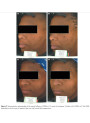
- Pep-Even™ (Tetrapeptide-30): A peptide that helps inhibit pigment transfer to skin cells, leading to a more even and brighter skin tone. It's a good option that is generally less irritating than other depigmenting agents.
2. Ingredients for Skin Barrier Support and Hydration
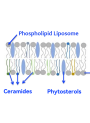
- Ceramides: Essential lipids for a healthy skin barrier. Supplementing ceramides (like in Ceracare™ Liposome-3, a liposomal ceramide complex for better absorption) helps strengthen the skin, reduce water loss, improve hydration, and minimize irritation from other actives.
- Squalane: An oil similar to natural skin lipids, it forms a protective layer, reduces water loss, and makes skin soft and smooth. Squalane Oil Gel is a base rich in Squalane that can be used for formulations.
- Hyaluronic Acid: A powerful humectant that attracts and holds water, plumping the skin and reducing the appearance of fine lines caused by dryness. Hyaluronic Acid Gel Base is a versatile base containing Hyaluronic Acid.
3. Ingredients for Wrinkles
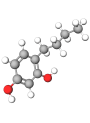
- Retinal (Retinaldehyde): A highly effective Vitamin A derivative that stimulates collagen production and cell turnover, reducing wrinkles and improving skin texture. Given your thin and dry skin, it's crucial to start with a very low concentration (recommended 0.05% or less) and gradually increase frequency to allow skin to adapt and minimize irritation. Use only at night and be diligent with sunscreen in the morning.
- Peptides: Besides Pep-Even™ for brightening, various other peptides can help stimulate collagen synthesis and reduce wrinkles.
Suggested Basic Skincare Routine
For your skin type, focus on gentle care and strengthening the skin barrier alongside targeting melasma and wrinkles:
- Morning: Gentle Cleanser > Serum with barrier-supporting/hydrating ingredients (e.g., Hyaluronic Acid, Ceramides) > Sunscreen SPF 30+ PA+++
- Evening: Gentle Cleanser > Serum targeting melasma (e.g., Tranexamic Acid, Kojic Acid Dipalmitate, or Pep-Even™) or a serum with Retinal (start low concentration, 1-2 times/week) > Moisturizer with Ceramides and Squalane to strengthen and hydrate.
When using multiple actives, consider their compatibility and your skin's tolerance. If using potent actives like Activated Resorcinol™ or Retinal, avoid combining them with other potentially irritating ingredients simultaneously and monitor your skin closely.
We hope this information is helpful in selecting suitable ingredients for your skin. Please feel free to ask if you have any further questions.
Related Products Mentioned
Kojic Acid Dipalmitate
Retinal (Retinaldehyde)
Tranexamic Acid (Trans-White™)
Hyaluronic Acid Gel Base
Pep-Even™ (Tetrapeptide-30)