Skincare Formula Issues: Allergic Reaction, Clarity, and Texture Modification
Question
I have created a skincare formula with the following ingredients and percentages:
- Vitamin B3, Niacinamide 4%
- N-Acetyl-D Glucosamine 4%
- Aloe Vera Extract(10:1) 5%
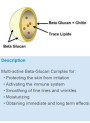
- Beta Glucan 5%
- Pro Polymer 1%
- Phenoxyethanol 1%
- Water 80%
After using this formula, I experienced acne-like bumps all over my face. I would like to know:
- What could be the cause of this reaction?
- How can I make the gel clear?
- How can I change the texture from a gel to a serum?
- What is the correct mixing procedure for this type of formula?
I understand the formula might not be suitable for my skin, but I need guidance on identifying the problematic ingredient and adjusting the formula and process.
Answer
Formula Analysis and Skin Issues
The formula you provided consists of:
- Vitamin B3, Niacinamide 4%
- N-Acetyl-D Glucosamine 4%
- Aloe Vera Extract(10:1) 5%
- Beta Glucan 5%
- Pro Polymer 1%
- Phenoxyethanol 1%
- Water 80%
The staff initially stated that the formula is usable in principle. However, since you reported experiencing acne-like bumps after use, this specific formulation is not suitable for your skin and you should stop using it immediately. An allergic reaction or irritation can occur with any ingredient in a formula, even if it is a beneficial ingredient for most people. The reaction indicates a sensitivity or allergy to one or more ingredients in your specific batch.
Identifying the Cause of the Reaction
As the staff correctly advised, the only reliable way to determine which ingredient caused the reaction is to test each ingredient individually. You should prepare separate samples of each ingredient diluted in distilled water at the concentration used in your formula (e.g., 4% Niacinamide in 96% water) and test them on a small area of skin (such as the inner arm) to see which one causes a reaction. I cannot definitively tell you which ingredient caused your reaction just by looking at the formula.
Modifying the Formula
- Making the Gel Clear: The staff's answer is correct; Beta Glucan is likely making your gel cloudy. To achieve a clear gel, you would need to remove Beta Glucan from the formula.
- Changing to a Serum Texture: A serum is typically less viscous than a gel. In your formula, Pro Polymer acts as the gelling agent (thickener). To change the texture from a gel to a serum, you would need to reduce the percentage of Pro Polymer or potentially use a different type of thickener suitable for a lower viscosity serum.
- Gel vs. Serum Performance: As the staff mentioned, neither is inherently "better" in general. The choice between a gel and a serum depends on personal preference, skin type, and the desired feel and absorption on the skin.
Mixing Procedure
While the mixing procedure can affect the final product's texture and stability (e.g., lumpiness, separation), it is unlikely to be the primary cause of your allergic reaction, which points towards an ingredient sensitivity. For a basic water-based gel/serum like yours, a general mixing procedure involves:
- Prepare the water phase (water, potentially including Aloe Vera Extract if it requires heating for solubility/sterilization, although many extracts are added later).
- Dissolve water-soluble ingredients (Niacinamide, N-Acetyl-D Glucosamine, Beta Glucan if you are keeping it) in the water phase.
- Slowly sprinkle the gelling agent (Pro Polymer) into the water phase while stirring gently but continuously to ensure even dispersion. Stir for about 3-5 minutes. Avoid using excessive heat or cooling. Stir until you have a smooth gel texture. Avoid over-blending at high speeds (e.g., above 2500 rpm) as this can damage the polymer structure and weaken the gel.
- Since Pro Polymer may take time to fully hydrate and thicken, it is recommended to stir to disperse and then let it sit for approximately 1 day to allow the Pro Polymer to fully absorb the water. Then, stir or blend gently again; it will dissolve more easily.
- If heat was used in the initial steps, wait for the mixture to cool down.
- Add heat-sensitive ingredients like the preservative (Phenoxyethanol) once the mixture has cooled sufficiently (typically below 40°C).
- Stir or blend until all ingredients are thoroughly mixed and homogeneous.
- Adjust the pH if necessary for formula stability and skin compatibility.
The most important step now is to discontinue using the product that caused the reaction and perform individual ingredient testing to identify the specific cause.
Related Products Mentioned
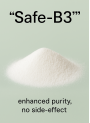
Safe-B3™ (Vitamin B3, Niacinamide)

GlucoBright™ (Acetyl Glucosamine)
Phenoxyethanol (Extra Pure)