Skincare Formulation for Oily, Acne-Prone Skin
Question
I need advice on formulating skincare for oily, acne-prone skin with clogged pores, inflamed acne, and dark spots. I'm interested in using ingredients like Azelaic Acid derivatives (such as Liquid Azelaic™), Salicylic Acid (BHA), Vitamin B3 (Niacinamide), Aloe Vera Extract, and Green Tea Extract. I prefer a light texture like a serum or gel that is not heavy or sticky for daytime use. Could you provide guidance on suitable ingredients, formulation types, mixing procedures, storage, and important considerations for creating such a product? I am also looking for recommendations for gentle facial cleansing products, avoiding ingredients like SLS/SLES.
Answer
Skincare Formulation for Oily, Acne-Prone Skin with Acne Scars
Hello! Welcome to the forum. It's great you're interested in making your own skincare. For oily skin with clogged pores, inflamed acne, and dark spots, a combination of active ingredients can be very effective.
Based on your concerns and the suggestions from other members, here are some key ingredients and how you might incorporate them into a formulation:
Recommended Ingredients
- For Acne and Oil Control:
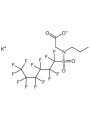
- Liquid Azelaic™ (Potassium azeloyl diglycinate): This is excellent for reducing oiliness, controlling clogged pores, reducing inflammation in acne, and helping to fade dark spots. It's water-soluble and gentle.
- Salicylic Acid (BHA): A beta hydroxy acid that exfoliates inside the pores, helping to unclog them and reduce blackheads and whiteheads. It also has anti-inflammatory properties. Note that pure Salicylic Acid powder needs a solvent to dissolve.
- For Soothing, Hydration, and Reducing Redness/Dark Spots:
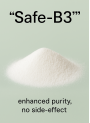
- Safe-B3™ (Vitamin B3, Niacinamide): Helps reduce oiliness, strengthens the skin barrier, reduces redness and inflammation, and improves the appearance of dark spots. It's water-soluble and can be used at higher concentrations like 5-10% for better results without irritation (using the Safe-B3™ type).
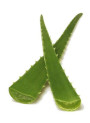
- Aloe Vera Extract (FullAssay™): Provides soothing and moisturizing benefits, helping to reduce irritation and support skin healing. It's water-soluble.
- Green Tea Extract (Hi-EGCG™ or Pure-EGCG™): Contains potent antioxidants that help protect the skin, reduce inflammation, and can help reduce oil production. Hi-EGCG™ is a liquid extract, while Pure-EGCG™ is a higher purity powder.
- For Cleansing:
- MakeUp-Wash™ (PEG-6 Caprylic/Capric Glycerides): A gentle ingredient for creating micellar water or makeup removers that effectively clean without stripping the skin.
- Potassium Cocoyl Glycinate: A very gentle, amino acid-based surfactant suitable for mild facial cleansers.
Formulation Tips
For oily, acne-prone skin, a lighter texture like a serum or gel is often preferred over a heavy cream. You can start with a simple serum or gel base and add your active ingredients.
A basic approach could involve a water-based formula with thickeners to create a gel or a light emulsion base for a serum/lotion.
Mixing Instructions
Making cosmetics requires careful measurement and proper mixing techniques. You will need a precise scale (preferably a digital scale that measures in grams), beakers or containers for mixing, and stirrers (glass rods or small electric mixers).
General steps for a water-based serum/gel:
- Measure the water phase ingredients (water, humectants like glycerin, thickeners if making a gel).
- Add water-soluble ingredients like Safe-B3™ and Aloe Vera Extract to the water phase. Mix until dissolved.
- If using Salicylic Acid powder, dissolve it separately in a suitable solvent like Propylene Glycol or Butylene Glycol before adding to the main mixture.
- If using Liquid Azelaic™ or Green Tea Extract (Hi-EGCG™), add these in the final step after the mixture has cooled down below 40°C.
- Add preservatives as required.
- Mix thoroughly after each addition.
- Check the pH of the final product and adjust if necessary (many acne treatments work best at slightly acidic pH, but check the recommended pH range for each ingredient, especially Liquid Azelaic™ and Safe-B3™).
For cleansers, you would mix the surfactant (like MakeUp-Wash™ or Potassium Cocoyl Glycinate dissolved in water) with water and other desired ingredients.
Storage
Proper storage is crucial to maintain the effectiveness and safety of your homemade products.
- Store finished products in clean, airtight containers.
- Keep products away from direct sunlight and heat.
- Some ingredients, like Aloe Vera Extract and Green Tea Extract, are best stored in the refrigerator long-term before mixing. Check the storage instructions for each raw material.
- Homemade products generally have a shorter shelf life than commercial products, especially if not using a broad-spectrum preservative system.
Important Considerations
- Start Simple: If you are new, begin with a simple formula using just a few key ingredients.
- Concentration: Pay close attention to the recommended usage rates for each ingredient. Start with lower concentrations to see how your skin reacts.
- Patch Test: Always test a new formulation on a small area of skin before applying it to your face.
- Hygiene: Maintain strict hygiene during the mixing process to prevent bacterial contamination. Sterilize your equipment and workspace.
- Sunscreen: When using ingredients like Salicylic Acid or Azelaic Acid that can increase sun sensitivity, daily sunscreen is essential.
Combining ingredients like Liquid Azelaic™, Safe-B3™, Aloe Vera Extract, and Green Tea Extract in a light serum or gel base can be a good starting point for addressing oily skin, acne, and dark spots. Remember to also use gentle cleansing products.
Related Products Mentioned
Safe-B3™ (Vitamin B3, Niacinamide)
Salicylic Acid (BHA, Pharma Grade)
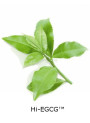
Hi-EGCG™ (Green Tea Extract)
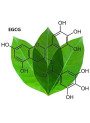
Pure-EGCG™ (Green Tea Extract, 98% EGCG)