Skincare Formulation for Oily, Dull, Acne-Prone Skin
Question
I am formulating a skincare product for oily, dull, and acne-prone skin with enlarged pores and acne marks. My initial idea included:
Silicone Gel Base (Ultra Clear)(I was confused because it says it's for oily skin but requires mixing with oil).Vitamin CVitamin B3Acetyl L-CarnitineDMAE BitartrateGlucosamineSea Kelp Bio Ferment
Based on the feedback received, which ingredients are best for reducing oiliness and brightening the skin? How should I formulate a simple serum or gel using the recommended water-soluble ingredients, considering factors like pH adjustment and ingredient compatibility?
Answer
Skincare Formulation Advice for Oily, Acne-Prone, Dull Skin
Welcome to the world of DIY skincare formulation! It's great that you're looking into creating a routine tailored to your skin's needs. Based on your description of oily skin, enlarged pores, acne marks, and dullness, and the feedback you received, the focus should indeed be on controlling oiliness and brightening your complexion first.
Here's a breakdown of the ingredients you mentioned and those recommended, along with suggestions for your formulation:
Your Initial Ingredients & Feedback
- Silicone Gel Base (Ultra Clear): This base (like Silicone Gel (Ultra Clear, Super Silky)) is primarily used to improve the texture of a product, making it smooth, light, and less sticky, and can provide a mattifying or blurring effect. It is considered part of the "oil phase" when formulating emulsions, or used in anhydrous (water-free) silicone-based formulas. It is not mixed directly with water alone. While it can help with the feel on oily skin, formulating with it requires understanding oil and water phases or anhydrous systems, which might be more complex for a beginner focused on a simple water-based serum.
- Vitamin C: This is excellent for brightening and antioxidant benefits. However, as mentioned, different forms have different stabilities and mixing requirements. For example, Ascorbyl Glucoside (AA-2G Stabilized Vitamin C) and Ethyl Ascorbic Acid are more stable water-soluble forms than L-Ascorbic Acid, but AA-2G requires careful pH adjustment (6.5-6.8), and Ethyl Ascorbic Acid needs a pH of 3.5-6.0 and often a chelating agent like Disodium EDTA. Sodium Ascorbyl Phosphate (Vitamin C SAP) is another stable water-soluble form that works best at a higher pH (7-9). Also, note that some forms of Vitamin C might not be compatible with ingredients like MSM.
- Vitamin B3 (Niacinamide): This is a highly recommended ingredient for your concerns! Products like Safe-B3 or Extreme-B3 (Vitamin B3, Niacinamide) are great for reducing oiliness, minimizing pores, reducing redness and dark spots, strengthening the skin barrier, and improving overall skin texture. Recommended usage is typically 1-10%, with 5% being a common effective concentration. High-purity versions like Safe-B3 or Extreme-B3 can be used up to 10% without causing significant flushing.
- Acetyl L-Carnitine: This ingredient can help with oil control, but as noted in the feedback, it requires pH adjustment using a pH meter for optimal efficacy and stability. For a beginner, it might be simpler to omit this for now if you don't have a pH meter.
- DMAE Bitartrate: This ingredient is often used for firming effects and was not specifically highlighted for oil control or brightening in the feedback or product information reviewed.
- Glucosamine: N-Acetyl Glucosamine (GlucoBright) is recommended, particularly in combination with Niacinamide, for its ability to help reduce dark spots and stimulate hyaluronic acid production for hydration. It is water-soluble and typically used at 1-8%, with a recommended ratio of 4% GlucoBright with 2-4% Niacinamide.
- Sea Kelp Bio Ferment (Sea Kelp Extract): While moisturizing and nourishing, the feedback suggested omitting this for very oily skin as it might provide excessive hydration. It is water-soluble and typically used at 1-10% (recommended 1-3% for skin).
Recommended Ingredients for Oil Control & Brightening
Based on the feedback and product information, consider incorporating these water-soluble ingredients into a simple serum or gel formulation:
- Vitamin B3 (Niacinamide): Use Safe-B3 or Extreme-B3 at 5-10% for oil control, pore reduction, brightening, and barrier support.
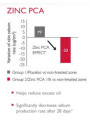
- Zinc PCA: Use at 1.0% for reducing oiliness, helping with acne, and supporting wound healing (acne marks). It works best in a pH range of 4-6.
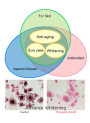
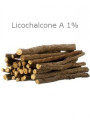
- Licorice Extract (Licochalcone A 1%, Water-Soluble): Use at 0.5-1.0% to help reduce oiliness, redness, and inflammation from acne.
- N-Acetyl Glucosamine (GlucoBright): Use at 4% in combination with Niacinamide (e.g., 4% GlucoBright + 5% Niacinamide) for enhanced brightening and hydration.
- MSM (Pure MSM): Use at 3% for additional oil control benefits. Note its potential incompatibility with Vitamin C in the same formula.
- Azelaic Acid (Liquid Azelaic): This is a powerful ingredient for reducing oiliness, clogged pores, acne, and brightening dark spots. Liquid Azelaic is a water-soluble derivative that can be used at 5-10% (recommended 10% for best results). It is mixed in the final step below 40°C and works in a pH range of 5-11. It can be a great addition or even a primary active in your formula, but remember to avoid direct sun exposure when using products with Azelaic Acid.
Simple Formulation Suggestion (Water-Based Serum/Gel)
For a beginner, a simple water-based serum or gel is the easiest to start with. You will need:
- Water Phase: Distilled water as the base.
- Active Ingredients: Choose a combination of the recommended water-soluble ingredients (e.g., Niacinamide, Zinc PCA, Water-Soluble Licorice Extract, GlucoBright, MSM, or Liquid Azelaic).
- Gelling Agent: To create a serum or gel texture (e.g., Carbomer, Xanthan Gum - follow supplier instructions for mixing).
- Preservative: Essential for any water-based formula to prevent microbial growth (choose a broad-spectrum, water-soluble preservative suitable for your chosen pH range).
- pH Adjuster: To ensure the final pH is suitable for the ingredients and skin (e.g., Sodium Hydroxide or Citric Acid solution - requires a pH meter to measure and adjust accurately).
General Steps:
- Measure your distilled water.
- Disperse or dissolve your gelling agent in the water phase according to its instructions.
- Add your water-soluble active ingredients, ensuring they are fully dissolved.
- Add your preservative.
- Measure the pH of the mixture and adjust if necessary to the optimal range for your chosen actives (aiming for pH 5-6 is often a good balance for many skin actives).
- Mix thoroughly until uniform.
Start with a few key ingredients (like Niacinamide, Zinc PCA, and Water-Soluble Licorice Extract) and gradually add more as you become comfortable. Remember to research the specific mixing instructions and recommended usage rates for each ingredient you purchase.
Cleansing is Key
As the feedback highlighted, using a gentle cleanser is crucial, especially for oily skin that might be overcompensating due to harsh cleansing. Choose a cleanser that doesn't leave your skin feeling tight or stripped after washing.
By focusing on these ingredients and starting with a simple formulation, you can create a product to help manage oiliness, reduce acne marks, and achieve brighter, clearer skin.
Good luck with your DIY journey!
Related Products Mentioned
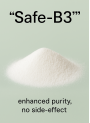
Safe-B3™ (Vitamin B3, Niacinamide)

Sea Kelp Extract
GlucoBright™ (Acetyl Glucosamine)
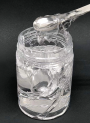
Silicone Gel (Ultra Clear, Super Silky)

Pure MSM™ (Methylsulfonylmethane)