Skincare Formulation for Oily Skin with Acne Scars and Pigmentation
Question
I would like some advice on formulating a serum/cream for my mother as a gift.
Her skin type is:
- Very oily
- Lacks nourishment
- Has old acne scars (planning DermaRoller treatment)
- Has some freckles and dark spots
My goals are:
- To make her skin stronger
- To provide hydration
- To reduce the appearance of acne scars
- To make her skin firmer
I would like to know:
- Can the following two formulations be layered?
- Are these ingredient lists and concentrations okay? Should anything be adjusted?
- Will it be difficult to mix these formulations myself?
Formula 1 (Serum):
- Copper 3%
- Panthenol (B5) 3%
- Niacinamide (B3) 7%
- Methylcobalamin (B12) 2%
- Matrixyl 3000 5%
- Silky Serum Base 10%
- Water 70%
Formula 2 (Cream):
- Squalane 10%
- MOIST24 5%
- Acetyl Hexapeptide-8 10%
- Pep-Coll 3%
- TreMoisture™ 2%
- Natural Moisturizing Amino Acids 3%
- Satin Cream Maker 1%
- Water 74%
Should I adjust or add anything? Thank you in advance.
Answer
Skincare Formulation Advice for Oily Skin with Acne Scars and Pigmentation
It's a thoughtful idea to create a custom skincare gift for your mother! Based on her skin type (very oily, lacking nourishment, with acne scars, freckles, and dark spots) and your goals (stronger, more hydrated, reduced acne scars, firmer skin), let's look at the two formulations you've proposed.
Can the two formulas be layered?
Yes, these two formulations can be layered. It is generally recommended to apply the lighter consistency product first, followed by the thicker one. So, you would typically apply the serum (Formula 1) before the cream (Formula 2).
Evaluation of the Formulations
Here's an assessment of the ingredients and concentrations in each formula:
Formula 1 (Serum)
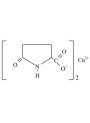
- Copper 3%: While copper compounds like Copper PCA can be beneficial for oily skin and anti-aging, a concentration of 3% is significantly higher than the recommended usage rate (typically 0.5-1.0% for Copper PCA). Using too high a concentration of minerals can potentially cause irritation. It is recommended to reduce the concentration of Copper, perhaps using Copper PCA at a rate of 0.5-1.0%.
- B5 (Panthenol) 3%: Panthenol is excellent for hydration and strengthening the skin barrier. 3% is a suitable and effective concentration.
- B3 (Niacinamide) 7%: Niacinamide is a fantastic ingredient for oily skin, helping to control oil, reduce redness and dark spots, and improve skin texture and firmness. 7% is within the effective and safe range for high-purity Niacinamide like Safe-B3™ or Extreme-B3™.
- B12 (Methylcobalamin) 2%: Vitamin B12 (Cyanocobalamin 1%) is known for its anti-inflammatory and regenerative properties, which can help with acne scars. Using 2% of a 1% concentration product (equivalent to 0.02% pure B12) is within the recommended range. Ensure the specific type of B12 you are using is suitable for cosmetic application.
- Matrixyl 3000 5%: This peptide blend is great for stimulating collagen and reducing wrinkles, contributing to firmer skin and potentially improving the appearance of acne scars. 5% is an effective concentration.
- Silky Serum Base 10% & Water 70%: Silky Serum Base is suitable for creating a light, fast-absorbing serum for oily skin. The ratio of base to water will influence the final texture. The base description suggests adding water gradually for easier mixing and recommends adding 1% NaCl or Magnesium Sulfate for stability, which would be a good addition to your formula.
Formula 2 (Cream)
- Squalane 10%: Squalane is a good emollient that provides moisture without feeling heavy, making it suitable for oily skin. 10% is a reasonable concentration.
- MOIST24 5%: This humectant helps with long-lasting hydration and improves the texture of the cream. 5% is within the recommended usage range.
- Acetyl Hexapeptide-8 10%: Known as Argireline, this peptide helps reduce expression lines. 10% is the maximum recommended concentration for anti-wrinkle effects.
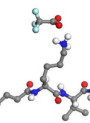
- Pep-Coll 3%: This peptide stimulates collagen production, helping with firmness and wrinkles, and can aid in improving acne scars. 3% is the recommended effective concentration.
- TreMoisture™ 2%: Trehalose provides hydration and skin protection. 2% is within the recommended range.
- Natural Moisturizing Amino Acids 3%: This blend supports skin hydration and can assist in wound healing, beneficial for acne scars. 3% is within the recommended range for skin application.
- Satin Cream Maker 1% & Water 74%: Satin Cream Maker is a convenient heat-free emulsifier suitable for this formula with 10% oil. 1% should be sufficient to create a stable cream texture.
Ease of Mixing
Mixing these formulations should be manageable with basic DIY skills.
- For the serum (Formula 1), dissolve the water-soluble ingredients in water first, then gradually add the water mixture to the Silky Serum Base while stirring. Adding 1% NaCl or Magnesium Sulfate at the end can help stability.
- For the cream (Formula 2), mix the water-soluble ingredients in the water phase. Mix Squalane in the oil phase. Add the Satin Cream Maker to the water phase, mix, then combine the oil phase with the water phase and mix until a cream forms.
Follow the specific mixing instructions provided for the Silky Serum Base and Satin Cream Maker for best results.
Important Considerations
- Preservatives: Neither of your formulas includes a preservative. Any water-based formulation must contain a broad-spectrum preservative to prevent bacterial and fungal growth. This is crucial for the safety and shelf life of your homemade product. Add a suitable preservative according to the supplier's recommended usage rate.
- pH Adjustment: The pH of the final formulations is important for ingredient stability and skin compatibility. Aim for a skin-friendly pH (typically 4.5-5.5). You may need to adjust the pH using a suitable acid (like Lactic Acid) or base (like Sodium Hydroxide) and test with pH strips. Note the optimal pH ranges for some ingredients: Niacinamide (4.0-7.0), Vitamin B12 (4.0-6.5), Copper PCA (4.0-6.0).
Summary of Recommendations
- Reduce the concentration of Copper in Formula 1 and consider using Copper PCA at 0.5-1.0%.
- Add a broad-spectrum preservative to both formulations.
- Adjust the pH of the final products to a skin-friendly range (4.5-5.5).
- Consider adding 1% NaCl or Magnesium Sulfate to the serum (Formula 1) for enhanced stability.
- Layering the serum first, then the cream, is appropriate.
- Mixing is feasible by following the instructions for the bases.
These adjustments will help ensure the formulations are safe, stable, and effective for your mother's skin.
Related Products Mentioned
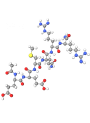
Acetyl Hexapeptide-8 (eq Argireline)
Squalane (Olive)
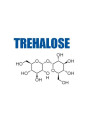
TreMoisture™ (Trehalose)
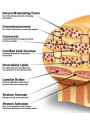
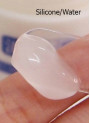
Silky Serum Base (Face/Eye)
MOIST24
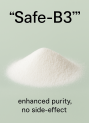
Safe-B3™ (Vitamin B3, Niacinamide)
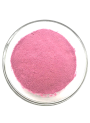
Vitamin B12 (Cyanocobalamin 1%)
Copper PCA
Pep®-Coll (Palmitoyl tripeptide-5)
Pal-GHK, Pal-GQPR (eq Matrixyl 3000)