Skincare Formulation for Oily Skin with Dark Spots: Brightening, Oil Control, and Texture Adjustment
Question
I am developing a skincare formula for oily skin with dark spots, aiming for brightening, oil control, and irritation reduction. My initial formula is:
- Alpha arbutin 2%
- Licorice extract 1%
- Vitamin E (Tocopheryl Acetate) 1%
- Bisabolol 1%
- Light cream maker 1%
- Phenoxyethanol 0.5%
- Water (remainder)
Based on this, I have some questions:
- How can I modify this formula to be more suitable for oily skin, specifically for oil control and irritation reduction?
- Is it necessary to adjust the pH for each ingredient individually before mixing, or can I adjust the pH of the final product?
- What is the recommended temperature for adding Alpha Arbutin to the formula to maintain its stability and effectiveness?
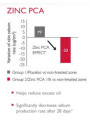
- If I want to add Vitamin B6 (Pyridoxine Hydrochloride) or Zinc PCA to the formula for oil control and pore tightening, how should I incorporate them, considering their low pH and electrolyte properties, and how might they affect the texture (e.g., thinning)?
Answer
Summary of Skincare Formula Discussion for Oily Skin with Dark Spots and Brightening
This discussion revolves around formulating a cream for oily skin with dark spots, aiming for brightening, oil control, and irritation reduction.
Initial Formula Proposed by User:
- Alpha arbutin 2%
- Licorice extract 1%
- Vitamin E (Tocopheryl Acetate) 1%
- Bisabolol 1%
- Light cream maker 1%
- Phenoxyethanol 0.5%
- Water (remainder)
Suggested Modifications for Oily Skin:
Based on the goal of reducing oiliness and irritation, it was suggested to modify the formula:
- Remove: Vitamin E (Tocopheryl Acetate) and Bisabolol, as they might be too heavy for oily skin.
- Add Oil Control & Other Benefits: Incorporate ingredients like MSM, Vitamin B3 (Niacinamide), or Zinc PCA to help control oil, reduce inflammation, and enhance brightening (Vitamin B3).
- Change Texture: Consider changing the base from a cream using Light Cream Maker to a gel using Pro Polymer, which is generally lighter and more suitable for oily skin.
Technical Questions & Answers:
- pH Adjustment: It is generally recommended to adjust the pH at the end of the formulation process after all ingredients are added. Most ingredients in the original and suggested formulas have a neutral or slightly acidic pH, which is suitable for the skin and does not require individual pH adjustments for each ingredient.
- Temperature for Alpha Arbutin: Alpha Arbutin can be processed in a room temperature environment (above 30°C) during the initial mixing phases. However, for the final mixing step where Alpha Arbutin is added, the temperature of the cosmetic base should be below 30°C to maintain its stability and effectiveness. The finished product should be stored in a cool place away from direct sunlight.
- Adding Vitamin B6: Vitamin B6 (Pyridoxine Hydrochloride) can be added to the formula to help control oiliness and tighten pores (especially effective on oily skin) and reduce inflammation. However, Vitamin B6 has a low pH (2-3) and is an electrolyte. Adding it can cause the gel or cream texture to thin out. If adding Vitamin B6 (or other electrolytes like Zinc PCA), it should be added gradually at the end of the process after the base is formed. You may need to increase the amount of thickener (Light Cream Maker or Pro Polymer) to regain the desired viscosity.
In summary, the discussion suggests tailoring the formula for oily skin by removing heavier ingredients, adding oil-controlling actives, potentially changing to a gel base, and carefully incorporating electrolytes like Vitamin B6 or Zinc PCA at the end of the process while being mindful of texture changes and adjusting the thickener amount as needed. pH adjustment is typically done once at the end, and Alpha Arbutin requires the final mixing temperature to be below 30°C.
Related Products Mentioned
Vitamin E (Tocopheryl Acetate)
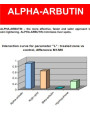
Alpha Arbutin (Switzerland)
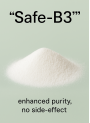
Safe-B3™ (Vitamin B3, Niacinamide)

Natural Bisabolol (Brazil Chamomile)
Light Cream Maker™
Phenoxyethanol (Extra Pure)

Pure MSM™ (Methylsulfonylmethane)
Pro Polymer™ (Gel Maker)
Zinc PCA