Skincare Formulation for Sensitive, Acne-prone Skin with Seborrheic Dermatitis
Question
I have combination, sensitive skin prone to dryness/peeling, acne, and seborrheic dermatitis, with a history of steroid use. I am developing a toner and a cream/serum. Could you please review my formulas and provide recommendations on ingredient selection and formulation techniques to create gentle, hydrating products that strengthen the skin barrier and help manage my skin conditions without causing irritation or clogging pores?
Answer
Based on your skin condition (combination, sensitive, prone to dryness/peeling, acne, seborrheic dermatitis, history of steroid use), the staff has provided recommendations for your formulas:
Toner Formula Analysis and Recommendations:
The original toner formula contained several ingredients that could potentially cause irritation or exfoliation (Sodium PCA, Sodium Lactate, Urea, Gluconolactone, Ethoxydiglycol). Given your skin's current sensitive and potentially peeling state, these ingredients were recommended to be removed to avoid further irritation.
The revised approach focuses on moisturizing, strengthening the skin barrier, and reducing inflammation. Ingredients that were kept or are suitable include:
- HA (standard & nano)
- Natto Gum
- Allantoin (recommended to use at a concentration relative to the water phase, not the total formula, and keep below 0.5% of water)
- WaterLock
- NAG
- B3 (Niacinamide)
- Phenoxyethanol
- Mild Preserved (Ethylhexylglycerin/Caprylyl Glycol)
Additionally, the staff recommended adding ingredients like:
- Vitamin B5 (Panthenol)
- MOIST72 (Saccharide Isomerate)
- nano silver
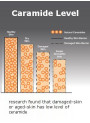
- Ceramide Complex
These additions help strengthen the skin barrier, provide deep hydration, and offer anti-inflammatory/anti-bacterial benefits, which are beneficial for sensitive, acne-prone, and seborrheic dermatitis skin.
Cream Formula Analysis and Recommendations:
The staff suggested combining your two formulas into a single gel or light cream formula, as the second formula was very simple.
- Preservative: With 1% nano silver, a separate preservative might not be necessary, provided the nano silver is properly dispersed throughout the formula (the formula should appear lightly greyish). If not fully dispersed, a preservative is still needed.
- Oils: For acne-prone skin, the staff advised against using oils. The recommended approach focuses on water-based hydration and barrier repair ingredients.
Combining and Mixing the Formula:
To create the combined gel/cream formula based on the recommended ingredients (without oils), you can add the Light Cream Maker directly into the water phase containing all the water-soluble ingredients. Mix or stir until the desired gel texture is achieved. The resulting texture will be lighter, similar to a serum.
These recommendations aim to create a formula that is gentle, hydrating, barrier-strengthening, and helps manage sensitivity and inflammation without causing further irritation or promoting clogged pores through the use of oils.
Related Products Mentioned
Ceramide Complex (CeraTouch™, Cream)
Safe-B3™ (Vitamin B3, Niacinamide)
Allantoin
GlucoBright™ (Acetyl Glucosamine)
Light Cream Maker™
Phenoxyethanol (Extra Pure)
MOIST72™
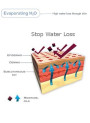
WaterLock™ (Polyquaternium-51)
Natto Gum Extract
Ethylhexylglycerin