Skincare Formulation Guidance: Face Cream, Body Sunscreen, and Moisturizing Body Cream
Question
I have combination skin with dry, dehydrated, sensitive, easily clogged cheeks prone to redness and early wrinkles, and overall dullness. I want to create three products:
Face Cream for brightening (not necessarily whitening), reducing/slowing wrinkles, and providing moisture.
- Oil Phase: I'm sensitive to almond oil (caused clogging when used as makeup remover) but tolerate Jojoba oil. I'm interested in adding Grapeseed, Rosehip, and Evening Primrose oils. How should I choose and what percentage should I use for each?
- Light Cream Maker™: How is it used, what is the usage amount, and do I need other thickeners to achieve a cream texture?
- Preservatives: What paraben-free and formaldehyde-free options are available? I couldn't find them.
- Water Phase: If I want to replace some distilled water with Hydrosol or Aloe vera gel, is this possible? What percentage should I use?
- Other Additives: Please recommend other additives like Vitamin C and Vitamin E.
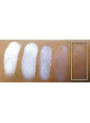
Physical Body Sunscreen for daytime use. What ingredients should I include?
Moisturizing Body Cream for nighttime use, focusing on hydration. What ingredients should I include? I currently use sweet almond oil (which doesn't work for my face) pure on my body.
Answer
Skincare Formulation Guidance
Based on your skin concerns (combination, dry/dehydrated cheeks, sensitive, prone to redness/clogging, early wrinkles, dullness) and your goals (brightening, anti-aging, moisturizing), here is guidance on formulating your own creams.
Face Cream for Brightening, Anti-Aging, and Moisture
To address your combination, sensitive, dry, and aging skin concerns, a cream formulation can be beneficial. Here's a breakdown of the components:
1. Oil Phase
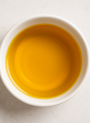
You mentioned sensitivity to almond oil but tolerance for Jojoba oil. Jojoba Oil (Golden or Clear) is an excellent choice as it mimics skin's natural sebum, is non-comedogenic, and suitable for sensitive skin. It also contains Vitamin E.
For your goals, consider blending Jojoba Oil with other beneficial oils:
- Jojoba Oil: Good base, non-comedogenic, moisturizing. Use around 5-10% of the total formula.
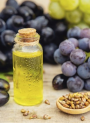
- Grapeseed Oil: Light texture, good for oily/acne-prone areas, contains antioxidants. Can be used at 1-5%.
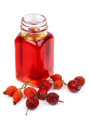
- Rose Hip Oil (Extra Virgin): Known for skin repair, reducing wrinkles, and moisturizing dry/sensitive skin. The Extra Virgin type has a red color and is rich in fatty acids. Use at 1-5%.
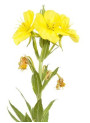
- Evening Primrose Oil: Rich in GLA, helps with skin barrier function and moisture. Use at 1-3%.
A total oil phase of 10-20% might be suitable for combination skin, adjusting based on how moisturizing you want it. For your dry cheeks, you might use a slightly higher oil percentage overall or apply more product to those areas.
2. Light Cream Maker™
Light Cream Maker™ is an easy-to-use emulsifier and thickener for oil-in-water creams. It works without heat and can handle up to 20% oil. Its usage rate is typically 0.5-3%. For a light cream, start with 1-1.5%. You generally don't need other thickeners if your oil phase is within its capacity and you use enough Cream Maker. However, if your formula contains electrolytes (like some extracts or salts), it might soften the cream, requiring a higher percentage of Light Cream Maker™ or careful mixing as described in the product details.
To use, mix Light Cream Maker™ into your oil phase or water phase (it disperses in both). If mixing into the oil phase, gently heat the oil phase if needed (e.g., if using butters) but avoid prolonged high heat. Combine the oil and water phases and stir/blend until the cream forms (usually 1-5 minutes). Ensure thorough mixing to avoid a flaky texture.
3. Preservatives
For paraben-free and formaldehyde-free options, consider:
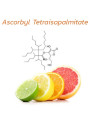
- Mild Preserved Eco™: A blend of Ethylhexylglycerin and Propanediol. It's not classified as a preservative by the FDA but is effective against microbes and acts as a humectant. Use at 0.5-2.0%.
- Preserve-Free CE85™: A blend of Caprylyl Glycol and Ethylhexylglycerin. Also provides broad-spectrum antimicrobial activity and moisturizing benefits. Use at 0.6-1.0%.
Both are added in the final step of the formulation, typically after the cream has formed and cooled.
4. Water Phase (Hydrosol / Aloe Vera Gel)
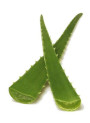
Yes, you can replace some of the distilled water with Hydrosols (like Rose Water or Lavender Water) or Aloe Vera Extract (10:1 ratio). Hydrosols add a mild scent and some plant benefits. Aloe Vera Extract (FullAssay™) is known for soothing, reducing irritation, and moisturizing. You can replace 5-20% of the water phase with Hydrosol or add Aloe Vera Extract at 1-10% to the water phase. Using pre-made Aloe Vera Gel bases (Lite or Heavy) as the entire water phase in a formula using Light Cream Maker™ might be complicated due to potential compatibility issues with the emulsifier; it's better to use them as a ready-made base if you prefer not to formulate from scratch.
5. Other Additives (Vitamin C, Vitamin E)
These are excellent choices for brightening and anti-aging:
- Vitamin C: For brightening and collagen stimulation, consider Perfect-C™ (Ascorbyl Tetraisopalmitate). It's oil-soluble, very stable, and absorbs well. Use at 1-10% (5% is a good starting point for efficacy). Add it to the oil phase. Alternatively, Sodium Ascorbyl Phosphate (SAP) is a stable water-soluble Vitamin C, good for whitening, used at 0.5-10% (3% is common). Add it to the water phase.
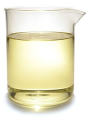
- Vitamin E: Vitamin E (Tocopheryl Acetate) is a stable antioxidant that protects the skin and other ingredients. Use at 0.1-1%. Add it to the oil phase.
Combining Vitamin C and E can enhance their antioxidant benefits.
Physical Sunscreen for Body (Daytime)
Physical sunscreens use mineral filters like Zinc Oxide and Titanium Dioxide to block UV rays. For a body sunscreen:
- Zinc Oxide: Provides broad-spectrum UVA/UVB protection. Look for non-nano or dispersed forms to minimize white cast. Zinc Oxide 40nm Dispersion (Water Base) or Zinc Oxide Transparent Dispersion (Isopropyl Palmitate Base) are easier to use than powders. The maximum allowed concentration of active Zinc Oxide is 25%. Usage rate for dispersions will be higher depending on the percentage of active ingredient (e.g., a 50% dispersion would be used at up to 50% of the formula to reach 25% active ZnO).
- Titanium Dioxide: Primarily blocks UVB and some UVA. Like Zinc Oxide, dispersed forms like Titanium Dioxide Transparent (15nm, Water-Dispersion) or treated powders like Titanium Dioxide Nanosil are preferred for cosmetic elegance. Usage varies depending on the desired SPF and grade.
Formulating a stable and effective sunscreen requires careful selection of specific grades of these minerals, proper dispersion, and testing (like SPF testing), which can be complex. Using a pre-made sunscreen base might be a simpler option.
Moisturizing Body Cream (Nighttime)
Since sweet almond oil caused breakouts on your face, you might still use it on your body if it doesn't cause issues there. However, a cream provides more comprehensive hydration by combining oils and water-based humectants.
For a moisturizing body cream, consider:
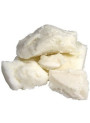
- Oil Phase: A blend of moisturizing oils and butters. Shea Butter (Refined or Ultra Soft) is excellent for dry skin, providing rich moisture and helping with skin barrier repair. You can use it at 5-20% or higher in a body cream. Other oils like Jojoba Oil, Grapeseed Oil, or even Sweet Almond Oil (if tolerated on the body) can be included. NanoShea™ (Liquid Shea Butter) is a water-dispersible form if you prefer a lighter feel or water-based formula.
- Water Phase: Include humectants like Glycerin or Hyaluronic Acid (e.g., using Hyaluronic Acid Gel Base as part of the water phase or adding Hyaluronic Acid powder). These draw moisture into the skin.
- Emulsifier/Thickener: Use a cream maker suitable for the desired texture (e.g., Light Cream Maker™ for a lighter feel, or other cream makers for richer textures).
- Preservative: Use a suitable preservative (like Mild Preserved Eco™ or Preserve-Free CE85™) to prevent microbial growth.
This type of cream will provide intense hydration to combat dryness.
Remember to always start with small batches when formulating, test on a small area of skin, and adjust percentages based on your skin's response and desired texture. Ensure all equipment is clean and sanitized to prevent contamination.
Related Products Mentioned
Vitamin E (Tocopheryl Acetate)
Jojoba Oil (Golden - Deodorized)
Shea Butter (Refined , Deodorised)
Vitamin E (dl-alpha tocopherol)
Light Cream Maker™
Jojoba Oil (Clear - Deodorized)
Shea Butter (Ultra Soft)
Mild Preserved Eco™ (Preservative-Free)
Titanium Dioxide Nanosil
Rosehip Oil (Extra Virgin)
NanoShea™ (Liquid Shea Butter, 30%)
Zinc Oxide 40nm Dispersion (Water Base)