Skincare Formulation Review: Brightening Cream/Gel pH, Mixing, Texture, and Ingredient Concerns
Asked by: ramacno
On: January 30, 2016
Product Type:
Cosmetics
Answered
Question
I am developing a skincare formula, aiming for a cream texture, with the following ingredients:
- Water (ส่วนของน้ำ)
- Alpha Arbutin
- Active Resveratrol
- WhiteCumin
- Vitamin B3
- Lemon Peel Bioferment
- Soy Extract 5%
- Calendula Extract
- Allantoin
- Trehalose
- Pitera
- Phenoxyethanol
- Pro Polymer 1%
- MSH White (ส่วนของน้ำมัน)
- ODA-White Plus
- Bisabolol
Based on this list and aiming for a cream texture, I have the following questions:
- Is a pH range of 5-6.5 appropriate for this formula?
- What are the correct mixing steps to achieve a cream texture, considering the water-soluble, oil-soluble, and gelling agents?
- Will using Soy Extract at 5% make the formula too sticky? (Considering previous tester formulas were moisturizing enough).
- Are the brightening ingredients (Alpha Arbutin, MSH White, WhiteCumin, ODA-White Plus, Vitamin B3) likely to cause hypo-pigmentation?
- Is 1% Pro Polymer sufficient to create the desired gel/cream texture?
Answer
Hello! It's great that you're experimenting with your own formulations based on your positive experiences with testers. Creating a personalized product can be very rewarding.
Let's address your questions about the formula you've proposed, taking into account the feedback from the staff:
- Appropriate pH: Yes, a pH range of 5-6.5 is appropriate for this formula and is also suitable for the skin. As the staff mentioned, a range between 4-7 is generally acceptable.
- Mixing Steps: Based on the staff's recommended procedure, here are the steps:
- Combine all water-soluble ingredients (Alpha Arbutin, Active Resveratrol, WhiteCumin, Vitamin B3, Lemon Peel Bioferment, Soy Extract, Calendula Extract, Allantoin (at the reduced percentage recommended by staff), Trehalose, Pitera, Phenoxyethanol, and Water).
- Add Pro Polymer 1% to the water phase and stir or blend until a gel texture is obtained.
- In a separate container, mix the oil-soluble ingredients (MSH White, ODA-White Plus, Bisabolol).
- Slowly add the oil mixture into the water/gel phase.
- Stir or blend until the mixture is uniform and you achieve a cream texture.
- Regarding pH adjustment: It's best practice to check and adjust the pH at the end, after all ingredients are fully incorporated, to ensure the final product is within your target range (5-6.5). You can use a few drops of a suitable pH adjuster (like a weak acid or base solution) if needed.
- Stickiness: The staff raised a valid concern that using 5% Soy Extract might make the formula feel sticky, especially since you found the previous tester formulas sufficiently moisturizing. If you prefer a less sticky texture, you might consider reducing the percentage of Soy Extract or omitting it.
- Hypo-pigmentation: The ingredients in your formula, such as Alpha Arbutin, MSH White, WhiteCumin, ODA-White Plus, and Vitamin B3, are primarily aimed at reducing hyperpigmentation (dark spots, uneven tone) and promoting overall skin brightening. They work by targeting the production or transfer of melanin. They are not typically expected to cause hypo-pigmentation (complete loss of skin pigment). The goal is a brighter, more even complexion, not to make the skin unnaturally white or cause patchy pigment loss.
- Pro Polymer 1%: Yes, 1% Pro Polymer is a common usage rate for creating a gel or gel-cream texture. Whether it's "enough" depends on the desired viscosity and the interaction with other ingredients in your specific formula. It should provide noticeable thickening, but you can adjust the percentage in future batches if you want a thicker or thinner consistency (always follow the supplier's recommended usage range).
Remember the staff's advice regarding Allantoin solubility (use 0.1-0.2%) and their suggestion to omit Kojic Acid Dipalmitate for ease of formulation as a beginner.
Good luck with your formulation! If you encounter any issues during mixing, don't hesitate to ask for further assistance.
Related Products Mentioned
Active Resveratrol™
Cosmetics
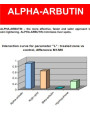
Alpha Arbutin (Switzerland)
Cosmetics
Safe-B3™ (Vitamin B3, Niacinamide)
Cosmetics
Allantoin
Cosmetics
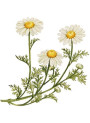
Natural Bisabolol (Brazil Chamomile)
Cosmetics

Calendula Extract (Water Soluble)
Cosmetics
Kojic Acid Dipalmitate
Cosmetics
Phenoxyethanol (Extra Pure)
Cosmetics
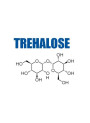
TreMoisture™ (Trehalose)
Cosmetics
Lemon Peel Bioferment (Lemon Skin™)
Cosmetics
Pro Polymer™ (Gel Maker)
Cosmetics

Soy Extract (Isoflavones / Genistein)
Cosmetics
Purified Water, TDS Limit 1PPM)
Cosmetics

MSH White Absorb™
Cosmetics

ODA-White Plus™
Cosmetics