Skincare Ingredient Recommendations for Men: Oily Skin, Acne Scars, Dullness
Question
I am a male user looking for ingredient recommendations for a skincare routine to address oily skin, acne scars, and dullness. I plan to use the following products and would like suggestions for suitable ingredients for each, considering the desired properties:
- Daytime Serum: Should be moisturizing, help tighten pores, absorb quickly, reduce dark spots, control oil, provide hydration, and contain Vitamin C.
- Sun Protect: Should absorb quickly and not feel sticky.
- Night Cream: Should reduce dark spots, improve acne scars, control oil, brighten skin, and improve elasticity.
Answer
Skincare Ingredient Recommendations for Men (Oily Skin, Acne Scars, Dullness)
I understand you're looking for products that address multiple skin concerns like oiliness, acne scars, and dullness. It's true that improving these conditions requires time and consistent care. No single product is a miracle cure, but we can select targeted ingredients to help improve your skin's condition.
Here's a guide to selecting ingredients for each product type you're interested in:
1. Daytime Serum (Moisturizing, Pore Tightening, Fast Absorption, Dark Spot Reduction, Oil Control, Hydration, Vitamin C)
A daytime serum should be lightweight, fast-absorbing, non-sticky, and contain ingredients that help control oil, reduce dark spots, and provide hydration.
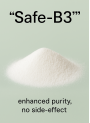
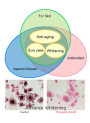
- Safe-B3™ (Vitamin B3, Niacinamide): An excellent ingredient for oily skin. It helps reduce excess oil, minimize the appearance of pores, reduce redness/dark spots (hyperpigmentation), and strengthen the skin barrier. It also contributes to overall skin brightening.
- Ascorbyl Glucoside (AA-2G Stabilized Vitamin C): A stable, water-soluble form of Vitamin C that helps brighten the skin, reduce dark spots, and stimulate collagen synthesis, which can improve skin elasticity. When used with Niacinamide, the pH needs to be carefully controlled (around 6.5-6.8).
- Hydrating Agents (e.g., Hyaluronic Acid): Even oily skin needs hydration. Using non-greasy hydrating ingredients helps keep the skin balanced and prevents it from producing too much oil.
A serum with these ingredients will help manage oiliness, dark spots, and dullness while providing adequate hydration for daytime.
2. Sun Protect (Fast Absorption, Non-Sticky)
Using sunscreen is the most crucial step to prevent dark spots from worsening and protect the skin from sun damage, which breaks down collagen and can make acne scars appear more prominent.
- Choose the Right Texture: For oily skin, opt for lightweight sunscreen textures like Gel (Gel), Fluid (Fluid), or Matt finishes that are labeled "Oil-Free" or "Non-comedogenic" to reduce the chance of clogged pores and a sticky feeling.
- SPF and PA: Choose SPF 30-50+ and PA+++ or higher for sufficient protection.
3. Night Cream (Dark Spot Reduction, Acne Scars, Oil Control, Skin Brightening, Elasticity)
Nighttime is when the skin repairs itself. Using ingredients that stimulate collagen production and cell turnover can significantly help with acne scars, dark spots, and elasticity.
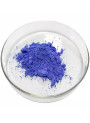
- Copper Peptide (GHK-Cu): This peptide stimulates collagen and elastin production, playing a vital role in skin regeneration, reducing the appearance of acne scars, and improving skin elasticity. It's often recommended for use with treatments like Derma Roller for enhanced results.
- Vitamin A Acetate (Retinyl Acetate): A form of Vitamin A known for its anti-aging properties, stimulating cell turnover, and promoting collagen production. It's beneficial for improving skin texture and acne scars. Start with lower concentrations to minimize potential irritation.
- Safe-B3™ (Vitamin B3, Niacinamide): Similar to the daytime serum, Niacinamide is beneficial in a night cream for oil control, reducing dark spots, and strengthening the skin barrier.
- Stable Vitamin C (e.g., Ascorbyl Glucoside or Ethyl Ascorbic Acid): Helps further brighten the skin, reduce dark spots, and acts as an antioxidant.
Consistent use of products containing these ingredients will help gradually improve your skin's condition regarding oiliness, dark spots, and acne scars. Patience and consistent skincare are key.
Updated Review: May 2026
This section was added after reviewing the original answer against current product availability and formulation knowledge at the stated point in time.
Update 2026-05-24
The original ingredient direction is still usable, but expectations and safety should be clearer.
- For oily skin and visible pores, Safe-B3™ / Niacinamide remains a good core ingredient because it supports oil-control appearance, barrier strength, hydration, redness/dark mark appearance, and overall brightening.
- For a daytime serum, use a lightweight hydrating base and choose one stable vitamin C direction, such as Ascorbyl Glucoside or Ethyl Ascorbic Acid, according to the target pH and stability needs of the formula. Vitamin C and Niacinamide are not universally forbidden together in modern formulas, but they should only be combined when the finished formula is designed and stability-tested for the chosen derivative; otherwise, separate them or follow the raw material instructions.
- For sunscreen, choose a light-texture broad-spectrum sunscreen at least SPF 30; for Thai/strong-UV use, dark spots, and post-acne marks, SPF 50/PA++++ is preferable. Apply enough and reapply when outdoors, sweating, or exposed to strong sun.
- Copper Peptide can be used as a supportive night-care ingredient for repair-style skincare, elasticity, and smoother texture appearance, but it should not be presented as a guaranteed treatment for deep acne scars.
- Deep pitted acne scars usually cannot be fully corrected by skincare alone. Topicals can help skin quality, brightness, and post-acne marks, but deeper atrophic scars often need professional procedures such as microneedling, laser, subcision, TCA CROSS, or filler depending on scar type.
- If doing derma roller or microneedling, do not use it on active acne, inflamed skin, infection, cold sores, open wounds, or irritated skin. Professional treatment is safer than non-sterile home use; use Copper Peptide around procedures only when the skin barrier is ready and the treating professional allows it.
- For night care, Vitamin A Acetate is a mild and stable vitamin A option; stronger retinoid options may be considered depending on tolerance. Start slowly, avoid stacking too many irritating actives, use sunscreen daily, and avoid retinoid-type ingredients during pregnancy or breastfeeding unless approved by a physician.
Related Products Mentioned