Skincare Ingredients Safety During Pregnancy and Breastfeeding for Melasma
Question
Review the ingredients I am using to see if they are safe for pregnant or breastfeeding women.
I have melasma from hormones after my first child. I have been using products with these ingredients for the past two months, but now I am pregnant with my second child and want to know if I can continue using them.
I know that Vitamin A derivatives like Retinol should definitely not be used, right?
The ingredients I am using are:
- Glycolic Acid (AHA) 100% Powder (used to make a facial toner at only 5%)
- D-Alpha Tocopherol natural Vitamin E
- Ferulic Acid
- Panthenol
- Hyaluronic Acid
- L-ascorbic acid
- Trans-Resveratrol (poder,98%)
- Aloe Vera Extract
- Protec SQ
- Safe-B3
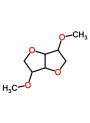
- Dimethyl Isosorbide (DMI)
- Odor-Kill
- Repair Activator
- beta glucan
- DMAE
Also, should solvents, emulsifiers, and texture enhancers be avoided? Such as:
- Ethoxydiglycol
- Laureth-23
- Triethanolamine
Is it true that Vitamin A derivatives like Retinol should not be used because they are absorbed into the skin? I'm not sure about the principle. Are there any other ingredients that should be avoided?
Thank you for the answer.
Answer
Skincare Ingredients During Pregnancy and Breastfeeding
It's commendable that you are reviewing your skincare routine now that you are pregnant again. You are absolutely correct that Vitamin A derivatives, such as Retinol and other retinoids, should be avoided during pregnancy and breastfeeding due to the potential risk of systemic absorption.
Here is a review of the ingredients you are currently using and their general safety status for topical use during pregnancy and breastfeeding. Please note that this is general information, and it is always best to consult with your doctor or a dermatologist for personalized advice based on your specific health situation.
Ingredients Generally Considered Safe for Topical Use:
Many common skincare ingredients are considered safe for topical application during pregnancy and breastfeeding, as systemic absorption is minimal. Based on the ingredients you listed and general guidelines, the following are typically considered safe:
- Glycolic Acid (AHA): Used at 5% in a toner, this concentration is generally considered low for an AHA. While higher concentrations used in peels should be avoided, topical use of lower concentrations is often deemed acceptable. However, some practitioners still advise caution, so discussing this with your doctor is recommended.
- Vitamin E (D-Alpha Tocopherol and Tocopheryl Acetate): Both forms of Vitamin E are widely considered safe for topical use.
- Ferulic Acid: This antioxidant is generally considered safe for topical application.
- Panthenol (Vitamin B5): Panthenol is considered safe and is known for its moisturizing and soothing properties.
- Hyaluronic Acid: A large molecule that primarily hydrates the skin surface, Hyaluronic Acid is considered very safe.
- L-ascorbic acid (Vitamin C): Topical Vitamin C is widely considered safe and beneficial during pregnancy and breastfeeding.
- Trans-Resveratrol: This antioxidant is generally considered safe for topical use.
- Aloe Vera Extract: Known for its soothing properties, Aloe Vera Extract is generally considered safe.
- Safe-B3 (Niacinamide/Vitamin B3): Niacinamide is considered safe and is often recommended as an alternative to retinoids for addressing hyperpigmentation like melasma.
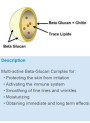
- Beta Glucan: This ingredient, known for its skin-soothing and strengthening properties, is generally considered safe.
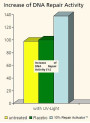
- Repair Activator (Bifida Ferment Lysate): Probiotic-derived ingredients like Bifida Ferment Lysate are generally considered safe for topical use.
Ingredients to Use with Caution or Consult Your Doctor About:
- DMAE: While used for skin firming, there is less extensive safety data specifically for its use during pregnancy and breastfeeding compared to other ingredients. The product description also notes potential for skin irritation at higher concentrations. It would be prudent to consult your doctor regarding its continued use.
- Protec SQ (Ethylhexyl Methoxycrylene): This ingredient is a UV stabilizer. While generally considered safe in cosmetics, less specific data is available regarding its use during pregnancy compared to older, more established ingredients. Consulting your doctor is advisable.
Solvents, Emulsifiers, and Texture Enhancers:
You also asked about ingredients like solvents, emulsifiers, and texture enhancers:
- Dimethyl Isosorbide (DMI) and Ethoxydiglycol: These are solvents and penetration enhancers. At typical cosmetic concentrations and when used within regulatory limits, they are generally considered safe for topical use. The primary consideration is the safety of the active ingredients they help penetrate. Since most of your active ingredients are generally considered safe, the use of these carriers within recommended limits is usually acceptable. The product descriptions mention FDA usage limits which should be adhered to.
- Laureth-23: This is an emulsifier. Emulsifiers are common in cosmetic formulations and are generally considered safe for topical use.
- Triethanolamine: Used as a pH adjuster, typically at low concentrations. When used within recommended limits (the product description mentions not more than 2.5%), it is generally considered safe for topical cosmetic use.
- Odor-Kill: This is an odor absorbing ingredient. It is generally considered safe for topical use.
In summary, many of the ingredients you are using are likely safe for topical application during pregnancy and breastfeeding. However, it is crucial to avoid retinoids and consult with your healthcare provider about the continued use of products containing Glycolic Acid, DMAE, and Protec SQ, or any other concerns you may have. They can provide the most accurate guidance based on your individual health profile.
Related Products Mentioned
Vitamin E (Tocopheryl Acetate)
Safe-B3™ (Vitamin B3, Niacinamide)
Pure-Ferulic Acid™
Vitamin C (L-ascorbic acid) (Ultra-Fine)
Vitamin E (dl-alpha tocopherol)
Ethoxydiglycol (e.q. Transcutol)
Triethanolamine 99%
Laureth-23
Double Hyaluron Liquid
DMAE (SkinTight MD™) Liquid
Glycopure™ (Glycolic Acid (AHA) Powder)
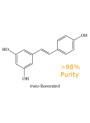
Trans-Resveratrol (Powder, 98%)
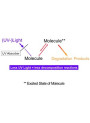
Protec™ SQ
Odor-Kill™