Skincare Routine, BHA for Clogged Pores, and Acne Scar Treatment
Question
I'm currently using Eucerin products with L-carnitine and Licorice Extract for acne, but I still experience occasional clogged pores. Based on the suggestion to use a 1% BHA toner, I have a few questions:
- What is the difference between a BHA toner and a BHA gel in terms of efficacy and formulation?
Also, for a friend with minor acne scars:
- Is Copper Peptide (GHK-Cu) effective for treating acne scars?
- I have LHA (Capryloyl Salicylic Acid) and Lactic Acid (AHA) available. Can these be used for acne scars, and what are the considerations for formulating them into a toner or gel compared to professional treatments like Glycolic Acid 40%+ peels?
Answer
Skincare Routine and Acne Scar Treatment Advice
Here is some information regarding your questions about your skincare routine and treating acne scars:
Adding BHA to Your Current Routine
You are currently using Eucerin products with L-carnitine and Licorice Extract for acne. If your current routine is mostly effective but you still experience occasional clogged pores (as mentioned in the previous conversation), adding a toner with a low concentration of BHA (Salicylic Acid), such as 1%, could be beneficial. BHA is effective at penetrating pores and helping to dissolve clogs.
Regarding the difference between a toner and a gel formulation for BHA, the efficacy primarily depends on the concentration and pH of the active ingredient. However, the base formulation can affect how the product feels and potentially how it penetrates or stays on the skin. A toner is typically lighter and can be applied easily across the face, potentially aiding quick absorption. A gel might provide longer contact time on the skin, which could theoretically enhance efficacy but also potentially increase the risk of irritation, especially with exfoliating acids. The choice between a toner and a gel often comes down to personal preference and how it fits into your overall routine.
Treating Acne Scars with Copper Peptide and Exfoliants
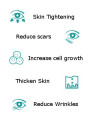
For your friend with minor acne scars, Copper Peptide (GHK-Cu) is a good ingredient to consider. It is known for its ability to help stimulate skin repair and regeneration, which can be beneficial for improving the appearance of scars. As mentioned previously, Copper Peptide can work very well, especially when combined with treatments like microneedling (derma roller) for older or more significant scars, as this helps the peptide penetrate deeper to stimulate collagen production and tissue regeneration.
You also asked about using exfoliants like LHA (Capryloyl Salicylic Acid) or Lactic Acid (AHA) for acne scars. Exfoliation can help improve skin texture and the appearance of superficial scars by promoting cell turnover. You have LHA and Lactic Acid available.
- Lactic Acid is an AHA that helps exfoliate the skin's surface and can also provide hydration. It's generally used for improving skin texture and tone.
- LHA (Capryloyl Salicylic Acid) is a derivative of Salicylic Acid. It's oil-soluble like BHA but is often considered gentler due to its larger molecule size and slightly higher pH, providing exfoliation and helping with clogged pores.
However, it's important to note that significant improvement of acne scars, especially deeper ones, often requires stronger treatments than typical over-the-counter exfoliants. As discussed previously, high-concentration peels (like Glycolic Acid 40% or higher) are sometimes used for scar treatment, but these require professional supervision due to the high risk of adverse effects if not performed correctly. While LHA and Lactic Acid can help with overall skin renewal and minor texture issues, they may not be sufficient on their own for significant scar reduction compared to professional treatments or combining ingredients like Copper Peptide with methods like microneedling.
Regarding formulating LHA or Lactic Acid into a toner or gel, similar to BHA, the efficacy depends on the concentration and pH. A simple mixture with water can create a toner-like solution, but proper formulation is crucial for stability, efficacy, and safety, especially when adjusting pH for optimal exfoliation (which can be quite acidic). A gel base might offer longer contact time, but also potentially increased irritation risk. For significant scar treatment, relying solely on DIY low-concentration exfoliants might not yield dramatic results, and caution is advised when working with higher concentrations due to the potential for skin damage.
When using any new active ingredients, especially exfoliants, it's always recommended to start with low concentrations and patch test to assess your skin's tolerance.
Related Products Mentioned