SkinCeuticals Retinol 1.0 Ingredient Analysis, Texture, and Retinal vs Retinol Potency
Question
I am using a homemade cream with Retinal and find the texture sticky despite good efficacy. I'm curious about the formulation of commercial products like SkinCeuticals Retinol 1.0. Could you please analyze its ingredient list and explain:
- Which ingredients are considered active?
- What is the function of the "non-active" ingredients, especially regarding texture, stability, and absorption? Is it possible to achieve a good texture and stability by removing most of these non-active ingredients?
- Why is there a significant difference in the recommended usage percentage between Retinal (like 0.1%) and Retinol (like 1.0%)?
Ingredient list of SkinCeuticals Retinol 1.0:
- Aqua / Water
- Propanediol
- Dimethicone
- Cetearyl Ethylhexanoate
- Alcohol Denat.
- Dipropylene Glycol
- Ammonium Polyacryloyldimethyl Taurate
- Hydrogenated Acetophenone
- Acrylates/C10-30 Alkyl Acrylate Crosspolymer
- Caprylyl Glycol
- Triethanolamine
- Retinol
- Acrylates/Steareth-20 Methacrylate Copolymer
- Citric Acid
- Sodium Citrate
- Tocopherol
- Methylsothiazolinone
- Ceramide 2
- Ceramide 3
- Phytosphingosine
- Cholesterol
- Bisabolol
- Hypericum Perforatum Extract
- Rosa Canina Leaf Extract
- Silybum Marianum Fruit Extract
- Passiflora Incarnata Flower Extract
- Chamomilla Recutita Leaf Extract
- BHT
- Cyclomethicone
- Cyclopentasiloxane
- Dimethiconol
- Dimethicone Crosspolymer
- Caprylic/capric triglyceride
- Laureth-4
- Laureth-23
- Polysorbate 20
- Dimethicone PEG-7 Isostearate
- Leureth-7
- C13-14 Isoparaffin
- Sodium Polyacrylate
- Polyacrylamide
- Shea Butter
Answer
Analysis of SkinCeuticals RETINOL 1.0 Ingredients
Based on the ingredient list provided, here is a breakdown:
1. Active Ingredients
The primary active ingredient for anti-aging and skin renewal in this formula is Retinol.
Additionally, the formula contains ingredients known for supporting the skin barrier and providing soothing benefits, which can also be considered active ingredients depending on their concentration and intended function:
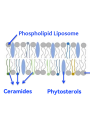
- Ceramide 2, Ceramide 3, Phytosphingosine, Cholesterol: These are skin-identical lipids that help restore and strengthen the skin barrier, improving moisture retention and reducing sensitivity.
- Bisabolol, Hypericum Perforatum Extract, Rosa Canina Leaf Extract, Silybum Marianum Fruit Extract, Passiflora Incarnata Flower Extract, Chamomilla Recutita Leaf Extract: These are plant-derived ingredients known for their soothing, antioxidant, and potentially anti-inflammatory properties.
- BHT (Butylated Hydroxytoluene) is an antioxidant, but its primary role in cosmetics is typically to prevent the degradation of the formula itself (like preventing oils from going rancid or protecting sensitive actives like Retinol), rather than providing a direct benefit to the skin.
2. Ingredients That May Help Retinol Absorption
Several ingredients in the list can help with the delivery, spreadability, and potentially the absorption of Retinol into the skin:
- Cyclomethicone, Cyclopentasiloxane, Dimethicone, Dimethiconol, Dimethicone Crosspolymer: These silicones provide a smooth, silky texture and help the product spread easily and evenly on the skin, ensuring better contact and distribution of the active ingredients. Cyclopentasiloxane and Cyclomethicone are volatile, meaning they evaporate after application, leaving behind the other ingredients on the skin surface for absorption.
- Caprylic/capric triglyceride: This is a lightweight oil that is a good solvent for oil-soluble ingredients like Retinol, helping to keep it dispersed in the formula and potentially aiding its penetration into the skin.
- Propylene Glycol: This is a common solvent and humectant that can also act as a penetration enhancer, helping active ingredients absorb into the skin.
- Hydrogenated Lecithin: As a type of phospholipid, lecithin can function as an emulsifier and may also play a role in forming structures (like liposomes, although not explicitly stated) that can enhance the delivery and absorption of active ingredients.
- Laureth-4, Laureth-23, Polysorbate 20, Dimethicone PEG-7 Isostearate, Leureth-7: These are emulsifiers and surfactants. While their main role is to stabilize the oil and water phases of the cream and improve texture, some surfactants can also temporarily disrupt the skin barrier to enhance penetration of other ingredients.
- C13-14 Isoparaffin: This is a solvent and texture enhancer that helps dissolve and spread other ingredients.
The combination of emollients (like Shea Butter, Caprylic/capric triglyceride, silicones), solvents (like Propylene Glycol, Isoparaffin), and emulsifiers/delivery enhancers (like Hydrogenated Lecithin, Polysorbate 20, Laureths) in the formula likely contributes to its texture and the effective delivery of Retinol.
3. Impact of Removing Non-Active Ingredients
It is highly likely that removing all "non-active" ingredients would significantly impact the product's effectiveness, texture, and stability.
- Texture and Feel: Ingredients like silicones (Cyclomethicone, Cyclopentasiloxane, Dimethicone, Dimethicone Crosspolymer, Dimethiconol), emollients (Shea Butter, Caprylic/capric triglyceride), thickeners (Sodium Polyacrylate, Polyacrylamide), and solvents (C13-14 Isoparaffin) are crucial for creating the cream's texture, making it spreadable, less sticky, and pleasant to use. Removing them would likely result in a formula with poor texture, similar to the stickiness you experienced with your current Retinal formula.
- Stability: Emulsifiers (Laureth-4, Laureth-23, Hydrogenated Lecithin, Polysorbate 20, Dimethicone PEG-7 Isostearate, Leureth-7) are essential for keeping the oil and water components of the cream mixed together. Without them, the formula would separate. Antioxidants like BHT are vital for protecting sensitive ingredients like Retinol from degrading due to exposure to air or light. Preservatives (Methylsothiazolinone) prevent microbial growth. Removing these would lead to an unstable and potentially unsafe product.
- Absorption and Delivery: As mentioned above, many of the "non-active" ingredients like solvents, certain emollients, and potentially emulsifiers play a role in dissolving, dispersing, and delivering the active ingredients to the skin. Removing them could reduce the absorption and effectiveness of the Retinol and other actives.
Therefore, while you might be able to simplify a formula, completely removing all non-active ingredients is generally not feasible for creating a stable, effective, and cosmetically elegant product like the SkinCeuticals cream. The formulation base is essential for the performance of the actives.
Retinal vs. Retinol Potency
You are correct in observing the difference in recommended usage percentages between Retinal (Retinaldehyde) and Retinol. This is not a matter of different "grades" of the same substance, but rather that they are different forms of Vitamin A with varying levels of potency and conversion steps required to become the active form in the skin (Retinoic Acid).
The conversion pathway in the skin is:
Retinyl Esters (e.g., Retinyl Palmitate) -> Retinol -> Retinal (Retinaldehyde) -> Retinoic Acid
- Retinol requires two conversion steps to become Retinoic Acid.
- Retinal requires only one conversion step to become Retinoic Acid.
Because Retinal is one step closer to the biologically active form (Retinoic Acid), it is significantly more potent than Retinol. This means a lower concentration of Retinal is needed to achieve similar results to a higher concentration of Retinol. While the exact conversion ratio can vary, Retinal is often estimated to be roughly 10 to 20 times more potent than Retinol.
This explains why the recommended usage rate for Retinal is typically much lower (e.g., 0.05% - 0.1%) compared to Retinol (e.g., 0.1% - 1.0%). The SkinCeuticals product uses 1.0% Retinol, which is a high concentration for Retinol and is likely formulated to deliver a potent anti-aging effect, roughly comparable to a lower percentage of Retinal. Your positive experience with 0.1% Retinal aligns with its higher potency compared to Retinol.
To improve the texture of your homemade Retinal formula, you could explore incorporating some of the texture-enhancing and emollient ingredients found in commercial formulas like the SkinCeuticals one, such as lightweight silicones, emollients like Caprylic/capric triglyceride, and appropriate emulsifiers, while ensuring compatibility and stability with Retinal.
Related Products Mentioned

Natural Bisabolol (Brazil Chamomile)
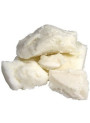
Shea Butter (Refined , Deodorised)
Propylene Glycol (USP)
Laureth-23
Glycerin (USP/Food Grade)
Fractionated Coconut Oil
Polysorbate 20 (Tween 20)
Dimethicone (Light/50, Low-Odor)
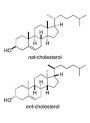
Cholesterol (95%, NF, Fine Powder)
Retinal (Retinaldehyde)

Laureth-7
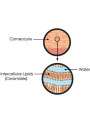
Cerasoft™ (Synthetic Ceramide)
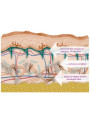
Phytosphingosine SA
Chamomile Water (Anthemis Nobilis)
Dimethiconol (Cyclopentasiloxane Base)

Laureth-3

Laureth-9
Butylated Hydroxytoluene (BHT)
Dried rose petals (for oil-based)
Hectorite Gel™ (C11-12 Isoparaffin Base)
Tetrasodium EDTA (EDTA-4Na)
Retinol (50% liquid)

Rose de mai (Rosa Centifolia) Extract
Ceramide 6-II (Ceramide AP)
Citric Acid (Anhydrous, Natural)
Dimethiconol (Isohexadecane Base)
FoamTex™ (PEG-17 Dimethicone)

PEG/PPG-20/15 Dimethicone
Dried Osmanthus Flower (for oil-based)