Sleeping Mask Cream Separation Issue: Mixing Technique and Ingredient Compatibility
Question
I am making a sleeping mask cream and encountering a separation issue after mixing. The formula includes ingredients such as Light Cream Maker, Hydrolyzed Silk Protein, and Isododecane. I followed the method of pouring the water phase into the oil phase while blending. What could be the potential causes for this separation, and how can I adjust the process or formula to fix it?
Answer
Addressing Separation in Your Sleeping Mask Cream
It sounds frustrating to have your sleeping mask cream separate after mixing. Based on the ingredients and process you described, here are some potential reasons for the separation and how you might be able to fix it:
Potential Causes
Mixing Technique: The description for Light Cream Maker emphasizes the importance of sufficient blending or stirring to create a smooth texture and prevent issues like flaking. While you mentioned blending, the separation occurring slowly after mixing could indicate that the emulsion wasn't fully stable from the start due to the mixing process.
The recommended method for using Light Cream Maker often involves adding the water phase to the oil phase (containing the emulsifier) while continuously stirring or blending. You mentioned pouring the water phase into the oil phase, which is the correct approach, but ensuring thorough and consistent blending during this step is crucial for proper emulsification.
Ingredient Compatibility / Electrolytes: Your formula includes Hydrolyzed Silk Protein and WaterLock (Polyquaternium-51) in the water phase, and Isododecane and Light Cream Maker in the oil phase. Light Cream Maker is an oil-in-water emulsifier designed to handle up to 20% oil, and your 10% Isododecane is within this limit. However, the description for Light Cream Maker notes that ingredients containing electrolytes (such as certain natural extracts or amino acids) can soften the cream and potentially affect stability, requiring a higher concentration of the emulsifier.
Hydrolyzed Silk Protein, being a natural protein hydrolysate, may contain components that act as electrolytes or otherwise interact with the emulsifier, potentially reducing the stability of the emulsion, especially at the 2% concentration you used, which is slightly above the typical recommended range (0.1-1%) for this ingredient.
Isododecane is a volatile, non-polar oil. While emulsified by Light Cream Maker, the presence of such a light, non-polar oil requires a robust emulsion structure to remain stable over time.
How to Fix It
Refine Your Mixing Process: Ensure you are blending thoroughly and consistently as you add the water phase to the oil phase. Make sure the blend speed is sufficient to create a stable emulsion but avoid excessive speed (above 2500 rpm for Light Cream Maker) which can damage the emulsifier polymer.
Consider Adjusting Emulsifier/Ingredient Ratios:
- If you suspect electrolyte issues from the Hydrolyzed Silk Protein, you could try slightly increasing the Light Cream Maker concentration (e.g., to 2%) to see if it helps stabilize the emulsion, as suggested in its description for formulas with electrolytes. Ensure you stay within the maximum recommended usage rate (3%).
- Alternatively, consider reducing the concentration of Hydrolyzed Silk Protein to within the recommended range (0.1-1%) to see if the lower concentration improves stability.
Proper emulsification is key to preventing separation. Carefully reviewing your mixing technique and considering the potential interactions between your ingredients, particularly the Light Cream Maker and Hydrolyzed Silk Protein, should help you achieve a stable cream.
Related Products Mentioned
Light Cream Maker™
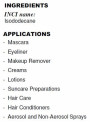
Isododecane (Germany)
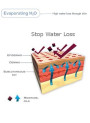
WaterLock™ (Polyquaternium-51)