Sleeping Mask Formula Review: Exfoliation and Hydration
Question
I have a Sleeping Mask formula focused on exfoliation and hydration. I want the product texture to be a moist coating, like a mask, but not too heavy. Can this formula be used? Is anything missing, or are there any incompatible ingredients?
Here is the formula with percentages:
- Rose Water (Rosa Damascena) 54.5%
- Prebio-care (Skin Prebiotic) 3%
- Urea 5%
- MOIST24 5%
- Ectoine (Ectoin, from Bio-fermentation) 1%
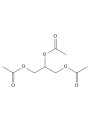
- Triacetin (Glycerol triacetate) 1%
- Sodium PCA 50% 5%
- Sodium Lactate (60% Liquid) 5%
- Natural PHA (Gluconolactone) 10%
- Pumpkin Renew™ (Gentle Exfoliation) 5%
- Yeast Resurface 3%
- Palmitamide MEA 1%
- Silk Cream Maker™ 1.5%
Thank you in advance.
Answer
Thank you for sharing your Sleeping Mask formulation focusing on exfoliation and hydration. The formula includes several interesting ingredients that target both desired functions.
Initial Formula Analysis:
- Exfoliation: The formula contains good exfoliating ingredients like Natural PHA (Gluconolactone), Pumpkin Renew™, and Yeast Resurface, which work through different mechanisms (chemical and enzymatic). Urea also provides mild exfoliation.
- Hydration: A variety of humectants (Urea, MOIST24, Sodium PCA, Sodium Lactate, Gluconolactone, Ectoine) and skin barrier support ingredients (Prebio-care, Palmitamide MEA) are included, which should provide good hydration.
- Texture: Using Silk Cream Maker™ at 1.5% along with other viscosity-contributing ingredients (like humectants and PHA) should help achieve a coating texture as desired. However, you might need to experiment with the percentage of Silk Cream Maker™ or other ingredients to get a texture that is not too heavy.
Potentially Missing Ingredients and Considerations:
- Preservative System: This formula contains water (Rose Water) and other ingredients that can support microbial growth. It is absolutely essential to add a suitable preservative system at the recommended concentration to prevent contamination and ensure product safety and shelf life. Without a preservative, the product will not be safe to use.
- pH Adjustment: Exfoliating ingredients, especially PHA (Gluconolactone), often work best and are most stable within a specific pH range. Adjusting the formula's pH to the appropriate range (typically 3.5-4.5 for PHA, or as recommended by the supplier) will maximize ingredient efficacy and improve formula stability and skin compatibility.
- Exfoliant Concentration: The formula includes multiple exfoliating ingredients, some at relatively high concentrations (e.g., 10% Gluconolactone). Combining several types of exfoliants at high concentrations can increase the potential for skin irritation, especially for sensitive skin, even with the inclusion of Palmitamide MEA for soothing. Consider reducing the concentration or number of exfoliating ingredients to make the formula gentler for regular use as a Sleeping Mask.
- Chelating Agent: While not always strictly necessary, adding a small amount of a chelating agent can help sequester metal ions present in water and raw materials, contributing to overall formula stability.
Ingredient Compatibility:
- Generally, the ingredients listed are not known to be chemically incompatible in a way that would ruin the formula or make it unsafe (aside from stability issues related to pH control). The primary concern regarding compatibility is the potential for increased skin irritation from the combination of multiple exfoliants at high concentrations, as mentioned above.
Conclusion:
This formula has a good concept and includes ingredients that address both exfoliation and hydration. However, adding a preservative system and adjusting the pH are crucial for product safety and stability. You should also consider the total exfoliating load and potentially adjust concentrations to minimize the risk of irritation. Check the recommended usage rates for each ingredient from your supplier.
It is recommended to make a small test batch, perform stability testing, and conduct a patch test on your skin before full use.
Related Products Mentioned
Sodium Lactate (60% Liquid, Natural)
Urea (High Purity, Cosmetics, Powder)
Sodium PCA 50%
Natural PHA (Gluconolactone)
Pumpkin Renew™ ผลัดเซลล์ผิวอ่อนโยน
MOIST24

Yeast Resurface
Palmitamide MEA
Rose Water (Rosa Damascena)
Ectoine (Ectoin, from Bio-fermentation)
Triacetin (Glycerol triacetate) (FEMA-2007)
Silk Cream Maker™