Sleeping Mask Formulation for Oily Skin and Scar/Spot Treatment
Question
I need guidance on formulating a sleeping mask for oily skin prone to acne scars and dark spots.
- How can I achieve a texture similar to a thick yet lightweight gel/cream? What ingredients (thickening agents, silicones, cream makers, humectants) and percentages are recommended?
- What is the specific role of Butylene Glycol in this type of formulation?
- Which active ingredients and percentages should I include to address oiliness, inflammation, redness, dark spots, and acne scars (both new and old)?
- Is the "Wrap cream maker" ingredient currently available?
Could you also revisit my previous question regarding the use of SILASOMA MEA and the mixing of OMC with Avobenzone in a sunscreen formulation? (Referencing the provided link to the SPF50 PA++++ hybrid sunscreen recipe).
Answer
Sleeping Mask Formulation for Oily Skin
Based on your questions and the provided information, here's a breakdown of how to create a sleeping mask texture and address concerns for oily skin with acne scars and dark spots:
Creating the Texture
The texture of a sleeping mask, often described as a thick yet lightweight gel or cream, is typically achieved using a combination of ingredients:
- Thickening/Gelling Agents: Ingredients like Carbomer and Ammonium Acryloyldimethyltaurate/VP Copolymer (found in the popular mask's list) or Pro Polymer (Acrylate Crosspolymer), recommended by the staff at 1-1.5%, are used to build viscosity and create a gel structure.
- Silicones: Cyclopentasiloxane, Cyclohexasiloxane, Dimethicone, and Dimethicone/Vinyl Dimethicone Crosspolymer contribute to a smooth, lightweight feel and can form a breathable film. Silicone Gel (Dimethicone/Vinyl Dimethicone Crosspolymer), recommended by the staff at 5%, is particularly noted for providing a silky feel.
- Cream Makers: The staff recommended Luxury Cream Maker at 3-4% to achieve a heavy yet lightweight cream texture.
- Humectants: Ingredients like Butylene Glycol and Glycerin attract and hold moisture, influencing the overall feel and hydration.
Role of Glycol
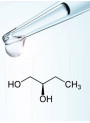
Butylene Glycol was included in the staff's recommended formula at 10% for its ability to coat the skin and help retain moisture, similar to its function in the popular mask. While some glycols can aid in ingredient delivery, its primary role here appears to be as a humectant and film-former.
Addressing Oily Skin, Acne Scars, and Dark Spots
To formulate for oily skin with these concerns and minimize clogging, the staff recommended incorporating specific active ingredients:
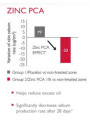
- For Oil Control & Inflammation: Safe-B3 (Niacinamide) at 5% and Zinc PCA at 1% are excellent choices.
- For Inflammation & Texture: MSM (Methylsulfonylmethane) at 3% can be beneficial.
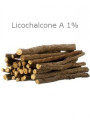
- For Redness & Dark Spots: Licorice Extract at 1% and 1-2 ingredients from the whitening category can help.
- For Acne Scars: Vitamin C is recommended for newer scars to boost collagen. For older, established scars, Copper Peptide may help stimulate skin regeneration, potentially alongside treatments like microneedling or laser.
Choosing non-comedogenic base ingredients and using lower percentages of oils or heavy emollients can also help prevent clogged pores on oily skin.
Wrap Cream Maker Availability
I do not have information regarding the future availability of the "Wrap cream maker."
Sunscreen Formulation (Previous Question)
Regarding your previous question about SILASOMA MEA and mixing OMC with Avobenzone, the staff provided a link to a sample SPF50 PA++++ hybrid sunscreen recipe on the website that addresses how to combine these ingredients for stability.
Related Products Mentioned
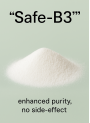
Safe-B3™ (Vitamin B3, Niacinamide)
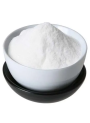
Vitamin C (L-ascorbic acid) (Fine)
Glycerin (USP/Food Grade)
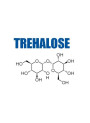
TreMoisture™ (Trehalose)
Silicone Gel (Ultra Clear, Super Silky)

Pure MSM™ (Methylsulfonylmethane)
Pro Polymer™ (Gel Maker)
Zinc PCA
Butylene Glycol
Luxury Cream Maker™