SLS/SLES-Free Kaffir Lime Shampoo Formulation & Ingredient Usage
Question
I have received my order and would like to ask about formulating an SLS/SLES-free kaffir lime herbal shampoo using the following ingredients:
- Herbal Water (Kaffir Lime Water)
- SulFoam (Disodium Laureth Sulfosuccinate)
- Cocamidopropyl Betaine
- Gluta-Clean (Disodium Cocoyl Glutamate)
- Cond-Foam™ (Sodium Lauroyl Sarcosinate)
- Glycerin
- Panthenol (Pro Vitamin B5)
- Tea Tree Oil (Water Soluble)
- Essential Oil
- Phenoxyethanol SA
- SugarThick
Specifically, I need advice on:
- The appropriate total percentage of surfactants (SulFoam, Cocamidopropyl Betaine, Gluta-Clean, Cond-Foam) to use in the formula.
- How to use SugarThick to achieve the desired viscosity.
- The recommended usage percentage for Phenoxyethanol SA as a preservative.
- The recommended usage percentage for Panthenol.
- Whether Tea Tree Oil (Water Soluble) requires a solvent or can be added directly to the water phase.
- Whether these ingredients are gentle and can help reduce acne along the hairline.
Answer
Suggested SLS/SLES-Free Kaffir Lime Shampoo Formula
Hello!
Thank you for your message. We understand you've received your order and are looking for a formula for your SLS/SLES-free kaffir lime herbal shampoo using the ingredients you have. We've compiled the information and advice previously given, along with answers to your latest questions.
Important Note: As the team previously advised, using herbal water can make the product's stability and microbial control very challenging. Please proceed with caution, and using the recommended amount of preservative is essential.
Suggested Formula (Initial Proportions)
Here are suggested proportions for the ingredients you have, based on the team's advice and general shampoo formulation principles. You can adjust these based on your desired foam, viscosity, and other properties.
- Herbal Water (Kaffir Lime Water): Balance to 100% (approx. 61-62.5%)
- Surfactant Blend (Total 25-35%):
- SulFoam (Disodium Laureth Sulfosuccinate): 15%
- Cocamidopropyl Betaine: 10%
- Gluta-Clean (Disodium Cocoyl Glutamate): 3%
- Cond-Foam™ (Sodium Lauroyl Sarcosinate): 3%
(Total surfactants = 31%, within the team's recommended range of 25-35%)
- Glycerin: 3% (within the team's 3-5% range)
- Panthenol (Pro Vitamin B5): 0.5% (within the team's 0.5-1.0% range, 0.5% recommended to avoid stickiness)
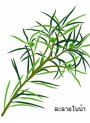
- Tea Tree Oil (Water Soluble): 1.0% (typical usage is 0.5-2% for scalp benefits)
- Essential Oil: 0.5% (within the team's 0.5-1.0% range)
- Preservative (Phenoxyethanol SA): 1.0% (within the team's 0.5-1.0% range, 1.0% recommended for better preservation with herbal water)
- Thickener (SugarThick): 0.5 - 2% (or adjust as needed for desired viscosity, add in the final step)
General Procedure (Approximate):
- Combine all surfactants. Stir gently until well mixed.
- Gradually add the herbal water little by little, stirring gently to combine (avoid vigorous stirring to minimize foam).
- Add Glycerin, Panthenol, Tea Tree Oil (Water Soluble), Essential Oil, and Preservative (Phenoxyethanol SA). Stir to combine.
- Finally, gradually add SugarThick little by little, stirring until the desired viscosity is reached.
Additional Questions:
Does Tea Tree Oil (Water Soluble) need a solvent?
Water Soluble Tea Tree Oil is designed to dissolve directly in water, so you do not need an additional solvent. You can add it directly to the water phase of your formula.Are these ingredients gentle and can they help reduce acne along the hairline?
- Gentleness: The surfactant blend you've chosen (SulFoam, Cocamidopropyl Betaine, Gluta-Clean, Cond-Foam) is significantly milder than SLS/SLES. Using a Sulfate-Free, Paraben-Free, Silicone-Free formula as you intended can often help reduce scalp irritation, which is one factor contributing to scalp issues and acne.
- Scalp Acne: Tea Tree Oil has antibacterial and anti-inflammatory properties, which may help alleviate scalp acne or acne along the hairline. Panthenol provides moisture and can soothe the skin.
- However, acne along the hairline can have multiple causes. While using a gentle shampoo with beneficial scalp ingredients can help, it's not a guaranteed cure. Maintaining proper scalp and hair hygiene is also crucial. Please also remember the caution about the stability of herbal water, as microbial growth could potentially worsen scalp conditions.
Further Suggestions:
- Since you are using herbal water, which can be prone to microbial contamination, it's recommended to make small batches for testing first. Observe the product's texture and scent over time. Discontinue use if any changes occur.
- If you plan to produce this for commercial sale, you should consider conducting Stability Testing and Preservative Challenge Testing, especially given the use of herbal water as a primary ingredient.
We hope this information helps you create your shampoo! If you have any more questions, feel free to ask.
Related Products Mentioned
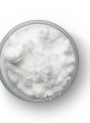
Glycerin (USP/Food Grade)
Cocamidopropyl Betaine
Tea Tree Oil (Water Soluble)

Phenoxyethanol SA (eq. Optiphen Plus)