Snail Secretion Face Cream for Glass Skin Formulation
Question
I would like to know how to formulate a face cream to achieve a shiny and glowing skin effect (Glass Skin) using snail secretion as a key ingredient. What other ingredients are needed for shine/gloss and brightening? What are the typical usage percentages for snail secretion and other key ingredients, and what are the important mixing considerations, especially regarding heat-sensitive ingredients?
Answer
Snail Shiny Face Cream Formula
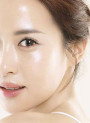
To create a cream that helps the skin look shiny and glowing (Glass Skin) with the nourishing properties of snail secretion, you can choose the following key ingredients:
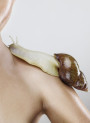
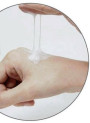
- Snail Secretion: This is the main ingredient that helps nourish the skin, provide moisture, reduce irritation, and help regenerate the skin. You can choose to use Snail Secretion or The Real Snail™ (freeze-dried type) depending on the suitability of the formula.
- Shine/Gloss Agents: To make the skin look shiny and clear, you can use ingredients that help diffuse light or coat the skin to make it look shiny, such as:
- Silicone Shine Max15™ or LipidSoft™ Shine, which are silicones and esters that help increase the shine of the product texture and the skin when applied.
- Glass Moist™, which is an ingredient specifically designed to create a Glass Skin look, providing a moisturized but non-greasy feel.
- Radiance/Brightening Agents: To make the skin look radiant and healthy from within, you can add ingredients that help with brightening, such as:
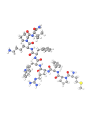
- Yeast Radiance™ or Pep®-Radiance, which are peptides that help the skin look brighter.
When making a snail shiny face cream, a cream or gel base will be the main component. Then, the above ingredients are mixed in appropriate proportions. Generally, snail secretion is used at about 3-5%. The shine and brightening ingredients can be adjusted according to your needs and the usage recommendations for each ingredient.
Mixing should follow the correct steps, especially for heat-sensitive ingredients, which should be added in the final step after the cream base has cooled down.
Related Products Mentioned
Snail Secretion
Yeast Radiance™
LipidSoft™ Shine