Soap and Scrub Base Components
Question
I want to make my own soap and scrub but cannot find formulas for soap base and scrub base. I would like to ask:
1. What are the components of a soap base? Specifically, the main ingredients that create soap, excluding ingredients that have effects on the skin.
2. What are the components of a scrub base? Besides the desired ingredients (exfoliating particles), what substances make it a scrub base?
Answer
Soap and Scrub Bases
To make your own soap and scrub, understanding the main components of the bases is key.
1. Soap Bases
The main ingredients in soap bases, excluding skin-benefiting additives, are the cleansing agents responsible for creating lather and cleaning the skin. These can generally be divided into two categories:
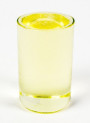
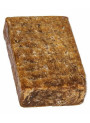
- Traditional Soap: Made through a process called saponification, where fats or oils react with an alkali (like sodium hydroxide for bar soap or potassium hydroxide for liquid soap). Examples include bases using ingredients like Potassium Cocoate or traditional African Black Soap which is made from saponified plant oils and ash.
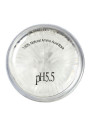
- Syndet (Synthetic Detergent) Bases: These are "soap-free" bases that use synthetic surfactants (detergents) instead of saponified fats. They are often milder and can be formulated at a skin-friendly pH. Examples include bases using amino acid-based surfactants like Sodium Cocoyl Glycinate, Sodium Lauroyl Methyl Isethionate, or Sodium Cocoyl Isethionate, as found in products like Clear Soap Bar (Amino Acids Based) or Syndet Bar (Soap Free).
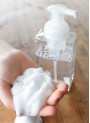
Other foaming bases like Sulfate-Free Foaming Base or SweetWash™ Hand also utilize various gentle surfactants to provide cleansing action.
2. Scrub Bases
For scrub bases, the "base" itself is typically the vehicle that holds the exfoliating particles. The scrubbing action comes from the added solid particles, not the base ingredients themselves (apart from providing texture and slip). The base serves to suspend the particles and allow them to be applied to the skin, often providing lubrication or cleansing properties.
Common types of bases used for scrubs include:
- Foaming Cleanser Bases: Like a Sulfate-Free Foaming Base, which provides cleansing and a texture to hold scrub particles.
- Cream or Lotion Bases: Such as a general cream base, which provides a creamy texture and lubrication for the scrub.
- Gel Bases: Gels can also be used to suspend particles.
The key components of a scrub base (excluding the exfoliating particles) are typically water, humectants (like Glycerin), thickeners/gelling agents, and potentially surfactants if it's a cleansing scrub. The choice of base depends on the desired texture and function (e.g., a foaming scrub vs. a creamy scrub). The exfoliating ingredients themselves are separate additions, such as sugar, salt, seeds, nut shells (like Walnut Scrub), or synthetic beads (like CelluScrub™ Max).
Related Products Mentioned
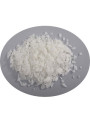
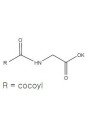
Sodium Cocoyl Glycinate
Potassium Cocoate (30%)
African Black Soap (Ghana)

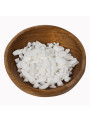
Syndet Bar (Soap Free, pH 4.5-5.5)