Soap Formulation: White Soap Yellowing, pH, and Colorants
Question
I have some questions regarding soap formulation:
- Why does white soap turn yellow over time, even when using Titanium Dioxide? How much Titanium Dioxide should be used for 45 kg of oil?
- Traditional soap has a pH of 10. Is this pH level dangerous? Is it possible to lower the pH to 7-8, and if so, what substances can be used and what are the effects?
- Which purple and pink colorants are stable in the high pH of soap? Specifically, are Fluorescent Purple Pigment and Fluorescent Pink Pigment stable, and what about Purple Sweet Potato Pigment?
Answer
Soap Formulation Questions
Here are the answers to your questions regarding soap formulation:
1. White Soap Turning Yellow & Titanium Dioxide Usage
It is common for white soap to turn yellow over time, even when using titanium dioxide. Several factors can cause this:
- Oil Oxidation: Some oils, especially those high in polyunsaturated fats (like soybean oil, sunflower oil), are prone to oxidation, which can cause discoloration (rancidity) and yellowing.
- Fragrance or Essential Oils: Many fragrances and essential oils can cause soap to discolor, often turning yellow, orange, or brown.
- Impurities: Trace impurities in ingredients can sometimes react and cause color changes.
- Curing Process: As soap cures and loses water, the color can sometimes deepen or change slightly.
Titanium dioxide acts as a white pigment to help achieve and maintain whiteness. However, it cannot completely prevent yellowing caused by oil oxidation or fragrance discoloration. To minimize yellowing, use stable oils and test fragrances/essential oils for discoloration before using them in a large batch.
For 45 kg of oil, the appropriate amount of titanium dioxide depends on the desired opacity and the specific product's strength. A common usage rate for titanium dioxide pigment in cold process soap is typically between 0.5% to 2% of the oil weight.
- At 0.5% of 45 kg, you would use approximately 225 grams.
- At 2% of 45 kg, you would use approximately 900 grams.
It is best to start with a lower percentage (like 0.5-1%) and increase if needed to achieve the desired whiteness. Ensure the titanium dioxide is properly dispersed in a small amount of oil or glycerin before adding it to the soap batter to avoid white speckles.
Relevant products include Titanium Dioxide 250nm Pigment (Non-Treated), Titanium Dioxide 300nm Pigment (Non-Treated, Color-Controlled), or WaterMix™ White (Titanium Dioxide 60%, Water-Dispersible Liquid).
2. Soap pH Level
Traditional oil-based soaps made through saponification (cold process or hot process) naturally have a high pH, typically ranging from 9 to 11. A pH of 10 is normal for this type of soap.
Is pH 10 dangerous? While a pH of 10 is alkaline, traditional bar soap with this pH is generally considered safe for use as a wash-off product. The skin's pH is acidic (around 4.5-5.5), and alkaline products can temporarily disrupt the skin barrier. However, for most people, the skin's pH returns to normal relatively quickly after using soap and rinsing thoroughly. People with sensitive or compromised skin may find high-pH soaps drying or irritating.
Can pH be lowered to 7-8? Lowering the pH of traditional saponified soap to a neutral range (7-8) is generally not feasible or recommended. The high pH is inherent to the chemical reaction that creates soap. Attempting to significantly lower the pH with acidic substances can break down the soap structure, leading to a soft, unstable, or oily product (due to unsaponified fats being released). It can also affect lather and cleansing properties.
Substances to lower pH and effects: Acids (like citric acid or lactic acid) can lower pH, but as mentioned, using them to drastically lower the pH of saponified soap is problematic. True pH-neutral or low-pH cleansing bars are typically made using synthetic detergents (syndet bars) which are formulated differently and are stable at lower pH levels.
In summary, a pH of 10 is typical for oil-based soap and generally safe for normal skin as a wash-off product, but you cannot easily or effectively lower its pH to 7-8 while maintaining its properties as a saponified bar soap.
3. Alkali-Stable Colorants (Purple & Pink)
Finding colorants that remain stable and true in the high-alkali environment of cold process soap can be challenging. Many natural colorants and dyes will change color or fade significantly.
Based on the search results and general soap making knowledge, pigments are often more stable in high pH than dyes.
Fluorescent Pigments: Products like Fluorescent Purple Pigment and Fluorescent Pink Pigment are described as reflective pigment powders suitable for use in bar soaps. Pigments are generally more alkali-stable than water-soluble dyes. These types of pigments are often a good choice for vibrant colors in soap.
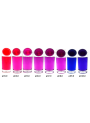
Natural Pigments: Natural colorants like Purple Sweet Potato Pigment are often pH-sensitive. The description for Purple Sweet Potato Pigment indicates its color varies significantly with pH (pink/red at pH 3, grape at pH 4, blue at pH 5-7). In the high pH environment of soap (pH 9-11), this pigment is unlikely to remain purple or pink and may shift to blue or grey, or fade.
When choosing colorants for soap, look for pigments specifically labeled as alkali-stable or suitable for cold process soap. Mica powders are also commonly used and are generally stable in soap.
Always perform a small test batch to check the color stability of any colorant in your specific soap recipe before committing to a large batch.
Related Products Mentioned


Fluorescent Pink Pigment