Sodium Cocoyl Isethionate vs. Cocoyl Glutamic Acid: SLES Content and Differences
Question
Does Sodium Cocoyl Isethionate contain SLES, and what are the key differences between Sodium Cocoyl Isethionate and Cocoyl Glutamic Acid 95%?
Answer
Understanding Surfactants: Sodium Cocoyl Isethionate vs. Cocoyl Glutamic Acid
Let's clarify the differences between these gentle cleansing ingredients.
Does Sodium Cocoyl Isethionate Contain SLES?
No, Sodium Cocoyl Isethionate (SCI) and Sodium Lauroyl Methyl Isethionate (which is similar and often used in gentle formulations like the product IseFoam™) do not contain SLES (Sodium Laureth Sulfate). While both are anionic surfactants used for cleansing and foaming, they have different chemical structures. SCI and Sodium Lauroyl Methyl Isethionate are known for being milder alternatives to sulfates like SLES, making them suitable for sensitive skin and baby products.
Sodium Cocoyl Isethionate vs. Cocoyl Glutamic Acid 95%
Both Sodium Cocoyl Isethionate (or related Sodium Lauroyl Methyl Isethionate like IseFoam™) and Cocoyl Glutamic Acid (like the 95% granule product) are gentle, amino acid-derived anionic surfactants used in cleansing products.
Here's a comparison based on the product information:
IseFoam™ (Sodium Lauroyl Methyl Isethionate):
- Highly gentle detergent with good foam.
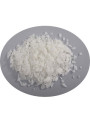
- Comes in flake form.
- Soluble in water.
- Typical use rate: 1-15%.
- Often used in body and hair cleansing products, including bath bombs.
Cocoyl Glutamic Acid (Granule, 95%):
- Detergent obtained from amino acids.
- Highly gentle with good foam.
- Comes in flake/granule form with >95% active matter.
- Soluble in water.
- Typical use rate: 5-30%.
- Suitable for cleaning products in powder form (like face wash) or liquid form for body and hair.
In summary, while both are excellent gentle surfactants, they differ in their specific chemical structure (Isethionate vs. Glutamic Acid derivative), active matter concentration (for the 95% Cocoyl Glutamic Acid), and typical usage rates. Cocoyl Glutamic Acid in granule form is particularly highlighted as suitable for powder formulations.
Updated Review: May 2026
This section was added after reviewing the original answer against current product availability and formulation knowledge at the stated point in time.
Update 2026-05-24
For the product specifically asked about, BabyFoam™ / Sodium Cocoyl Isethionate: based on the current catalog composition, it is listed as Sodium Cocoyl Isethionate, not Sodium Laureth Sulfate, so the raw material itself does not contain SLES. SLES means Sodium Laureth Sulfate and is a different anionic surfactant. However, a finished cleanser could still contain SLES if another SLES-containing raw material is added separately.
The key difference is now best described this way: BabyFoam™ / Sodium Cocoyl Isethionate is a mild isethionate-type anionic surfactant, while Cocoyl Glutamic Acid (Granule, 95%) is a glutamic-acid/amino-acid-based anionic surfactant with high active matter. Cocoyl Glutamic Acid 95% can be used in mild cleansing systems, but because it is the acid form, practical dissolution and clarity—especially in clear liquid formulas—may depend on pH adjustment or neutralization. A small batch test is recommended when clarity or easy dissolution is important.
References: current MySkinRecipes catalog composition/specifications for BabyFoam™, IseFoam™, Cocoyl Glutamic Acid (Granule, 95%), and Sodium Lauryl Ether Sulfate; Williams & Schmitt, Chemistry and Technology of the Cosmetics and Toiletries Industry; Rieger & Rhein, Surfactants in Cosmetics.