Solid Shampoo Bar Formulation for University Project
Question
I am working on a university project to make a solid shampoo bar. I found a list of ingredients online and would like to know if they are suitable for this purpose. The ingredients are:
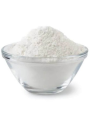
- BabyFoam (SCI - Sodium Cocoyl Isethionate)
- Behentrimonium Chloride (BTAC)
- Cetyl Alcohol
- Fractionated Coconut Oil
- DL-Panthenol (Pro-Vitamin B5)
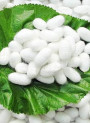
- Hydrolyzed Silk Protein
- Lavender Oil
- Water
Are these ingredients suitable? Do I need to add or remove any? Could you provide the quantities (percentages) that should be used for each ingredient? I understand from a previous reply that special equipment like a grinder and Soap Plodder might be needed for this type of formulation.
Answer
Solid Shampoo Formulation for University Project
Hello! I understand you're working on a Solid Shampoo project for your university and need some guidance on a formula. It's great that you're taking on this challenge!
The list of ingredients you found is indeed suitable for making a Solid Shampoo Bar. These are common components used in such formulations.
Your Ingredients and Their Functions:
- BabyFoam (SCI - Sodium Cocoyl Isethionate): This is a popular primary surfactant in solid shampoo bars. It provides rich lather, cleanses effectively, and is known for its mildness. It will be the main ingredient in your formula.
- Behentrimonium Chloride (BTAC): Acts as a conditioning agent, helping to soften hair, reduce static, and make it easier to comb.
- Cetyl Alcohol: A fatty alcohol that helps solidify the bar and acts as an emulsifier and emollient, providing a smooth feel.
- Fractionated Coconut Oil: A light, easily absorbed oil that helps nourish the hair and scalp.
- DL-Panthenol (Pro-Vitamin B5): A conditioning vitamin that adds moisture, softness, and shine to the hair.
- Hydrolyzed Silk Protein: A protein derivative that helps condition and strengthen hair.
- Lavender Oil: An essential oil used for fragrance and potential scalp benefits.
- Water: Used to help combine the ingredients during processing.
Regarding Quantities:
Providing exact percentages for each ingredient is challenging without specific formulation goals and extensive testing. Solid shampoo formulation requires careful balancing to achieve the desired hardness, lather, conditioning, and stability. There isn't a single universal formula.
Generally, the primary surfactant (SCI) makes up the largest portion, typically ranging from 50% to 70% of the total formula. Other ingredients like BTAC, Cetyl Alcohol, oils, proteins, Panthenol, and essential oils are used in smaller percentages to provide specific benefits and texture.
Should You Add or Remove Ingredients?
The ingredients you have listed form a good basic foundation for a Solid Shampoo Bar. You don't necessarily need to add or remove ingredients for a functional bar.
However, as the staff reply mentioned, the primary challenge with using SCI in a solid bar is the manufacturing process. SCI is a powder that typically requires specialized equipment like a grinder to achieve a fine consistency and a soap plodder to properly bind and extrude the mixture into a solid bar. Without these tools, it can be very difficult to get a smooth, hard bar that doesn't crumble or dissolve too quickly.
Suggestions for Your Project:
Given the potential difficulties with processing SCI without specialized equipment, here are some alternative approaches that might be more feasible for a university project:
- Explore formulas using alternative surfactants: Some solid shampoo formulas use Sodium Coco Sulfate (SCS) which might be easier to work with manually, although it can be slightly less mild than SCI.
- Consider using a Melt-and-Pour Solid Shampoo Base: The easiest method for a project would be to find a pre-made solid shampoo base that you can simply melt, add your desired oils, extracts (like Panthenol, Silk Protein), fragrance (Lavender Oil), and color, and then pour into a mold. This bypasses the complex mixing and pressing required for SCI-based bars and is similar to making glycerin soap.
In summary, your ingredient list is suitable, but the manufacturing process for an SCI-based bar can be complex without specialized equipment. Exploring easier-to-process surfactants or using a melt-and-pour base might be more practical for your project.
I hope this helps with your project! Good luck!
Related Products Mentioned
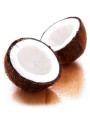
Fractionated Coconut Oil
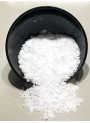
Cetyl Alcohol

Lavender Oil (bescents SH11)