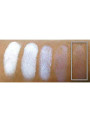
SPF Protect Ultra™ II: Achieving PA+++ and Reef Safety Information
Question
Regarding SPF Protect Ultra™ II, I have the following questions:
- If used at 15%, it provides SPF50 PA++. If I want to achieve PA+++, should I increase the percentage or add other ingredients?
- What type of filter is this (Physical, Chemical, or Hybrid)?
- Is this ingredient reef-safe?
Answer
Regarding SPF Protect Ultra™ II, here are the details for your formulation:
1. How to reach PA+++
Based on the product data, using SPF Protect Ultra™ II at 15% provides approximately SPF50 and PA++. Even increasing the dosage to the maximum recommended level of 30% still results in a PA++ rating.
To achieve PA+++, simply increasing the percentage of this blend is not sufficient. You should add a dedicated UVA filter to boost the protection. We recommend adding a physical filter such as:
- Zinc Oxide 200nm EasyDisperse™: A powder form that is easy to disperse in oil.
- Zinc Oxide Transparent Dispersion (C12-15 alkyl benzoate Base): A liquid dispersion that is easy to mix and provides high transparency.
2. Filter Type
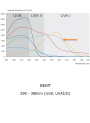
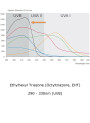
SPF Protect Ultra™ II is a Chemical Sunscreen blend. It consists of several organic filters, including Ethylhexyl Methoxycinnamate, Diethylamino Hydroxybenzoyl Hexyl Benzoate, Bis-Ethylhexyloxyphenol Methoxyphenyl Triazine, and Ethylhexyl Triazone.
- Note: If you add Zinc Oxide as suggested above, your formula will become a Hybrid Sunscreen.*
3. Reef Safety
This product is NOT reef-safe. It contains Ethylhexyl Methoxycinnamate (Octinoxate), which is one of the chemicals banned for use in many national parks (including Thailand) and regions like Hawaii because it can cause coral bleaching.
If you require a reef-safe formula, you should avoid this blend and look for filters that do not contain Octinoxate, Oxybenzone, 4-Methylbenzylidene Camphor, or Octocrylene.
Related Products Mentioned
Zinc Oxide 200nm EasyDisperse™