Stability and Compatibility of Gel Serum with Multiple Actives (Vitamin C, Niacinamide, Alpha Arbutin)
Question
I have formulated a gel serum for my dry, uneven skin, aiming for brightening, even tone, high hydration, and natural antioxidants. I am not concerned about the serum's viscosity.
Here is my proposed formula:
Water phase
- Pitera 54%
- Double Hyaluron Liquid 4%
- Trehalose 2%
- Natural Moisturizing Amino Acids 3%
- Willow Bark Extract 5%
- Yeast Radiance 3%
- Safe B3 4%
- GlucoBright 4%
- White Cumin 3%
Oil Phase
- Safflower Seed Oil 6%
- Shea Butter Light Oil 3.5%
- Alpha Tocopheryl Acetate 0.5%
Base
- 1,2-Hexanediol 2%
- Reservoir-Tech 3%
- PE-1 Aqua 2%
- Satin Cream Maker 1%
I have the following questions:
- Are there any ingredients in this formulation that I need to be careful about regarding pH? From my understanding, there are no particularly acidic or alkaline ingredients.
- Does the mixing process require a blender, or can it be done manually?
- Are there any ingredients with a problematic odor? If so, how much Essential Oil should I add?
Answer
Hello, thank you for your patience and for providing the details of your formulations. The staff has addressed your questions regarding the cream formula for your mother in the previous response.
Regarding your first formulation, the gel serum for your skin:
You asked if the ingredients can be mixed together without separating and if your proposed mixing steps are correct.
While many of the ingredients are water-soluble and can be initially dissolved in water, this formula contains several active ingredients with conflicting pH requirements for stability and efficacy:
- L-Ascorbic Acid (Vitamin C) and Ferulic Acid are most stable and effective at a low pH (typically below 3.5).
- Niacinamide (Safe B3) is most stable around pH 5-6. At low pH, it can convert to Niacin, which may cause flushing.
- Alpha Arbutin is most stable around pH 5-7. At low pH, it can hydrolyze into Hydroquinone.
- Hi-EGCG is also sensitive to high pH.
It is not possible to formulate a single product where all these ingredients are stable and effective simultaneously due to these conflicting pH needs. Mixing them together as proposed, without careful pH adjustment to a specific range, will likely lead to instability, degradation of the active ingredients (reducing their effectiveness), and potentially cause separation or changes in color/odor over time.
Furthermore, with such a high concentration of various ingredients (over 40% actives) in a water base, achieving a stable gel texture by hand mixing without a dedicated, robust gelling agent might be challenging. The ingredients listed primarily provide hydration and active benefits but may not be sufficient to create and maintain a stable gel structure for this complex mixture.
Therefore, this formula, as proposed, is likely to be unstable and may separate or degrade over time. The mixing steps you outlined do not address the critical pH management required for the stability of these ingredients.
For better stability and efficacy, it is generally recommended to simplify formulas or use active ingredients that are compatible in terms of pH and formulation requirements. You might consider using different active ingredients or splitting these actives into separate products used at different times.
Related Products Mentioned
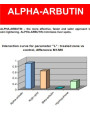
Alpha Arbutin (Switzerland)
Vitamin C (L-ascorbic acid) (Ultra-Fine)
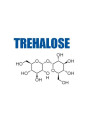
TreMoisture™ (Trehalose)
Double Hyaluron Liquid
Safe-B3™ (Vitamin B3, Niacinamide)
GlucoBright™ (Acetyl Glucosamine)
Pure-Ferulic Acid™
Sodium Lactate (60% Liquid, Natural)
Urea (High Purity, Cosmetics, Powder)
Natto Gum Extract
Rice Vitamin (Inositol, Vitamin B8)

Hi-EGCG™ (Green Tea Extract)
MOIST24
Grape Seed Extract (Proanthocyanidins)