Stability of Snow Algae, DMI, and Japanese Cedar after room temperature exposure
Asked by: sutassana
On: December 22, 2025
Product Type:
Cosmetics
Answered
Question
I ordered the following ingredients which were shipped via cold transport:
Snow Algae(20g)Dimethyl Isosorbide (DMI)(35g)Japanese Cedar (Cryptomeria Japonica Bud Extract)(20g)
However, the package was received on a Saturday and was only moved to the refrigerator on Monday morning, meaning the items were kept at room temperature (approximately 25-30°C) for about 2 days.
- Will the efficacy of these ingredients be significantly reduced due to this exposure?
- Are they still safe and effective to use in my formulations as normal?
Answer
Regarding the 3 products: Snow Algae, Dimethyl Isosorbide (DMI), and Japanese Cedar (Cryptomeria Japonica Bud Extract), which were kept at room temperature (25-30°C) for approximately 2 days before being refrigerated, here is the stability assessment:
Snow Algae (Powder):
- Stability: This product is in powder form, which is inherently more stable than liquid forms. The mixing instructions indicate it can withstand temperatures up to 60°C during formulation.
- Impact: Being at 25-30°C for 2 days will not have a significant impact on its efficacy. It is safe to use normally.
Dimethyl Isosorbide (DMI):
- Stability: DMI is a very stable solvent and penetration enhancer. It can withstand heat up to 80°C.
- Impact: It does not strictly require refrigeration for stability (it is often shipped cold simply because it is part of a combined cold-chain order). Room temperature exposure for 2 days has no negative effect on this ingredient.
Japanese Cedar (Cryptomeria Japonica Bud Extract):
- Stability: This is a natural liquid extract. While long-term cold storage is recommended to maintain peak freshness and prevent color changes over months/years, it is not extremely heat-sensitive in the short term.
- Impact: A 2-day period at room temperature is too short to cause noticeable degradation. The active components remain effective.
Summary and Recommendation:
- All items can be used normally. The efficacy has not decreased significantly due to this short exposure.
- Recommendation: Now that they are refrigerated, keep them in the refrigerator (4-8°C) for long-term storage. Before use, check for any unusual physical changes (color, smell, or precipitation). If they appear normal, you can proceed with your formulation as planned.
Related Products:
Related Products Mentioned

Snow Algae
Cosmetics

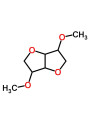
Dimethyl Isosorbide (DMI)
Cosmetics